




Kentucky medical marijuana import ban: What it means for you
Change is rolling through Kentucky’s cannabis scene faster than a fresh jar of homegrown at a Bluegrass festival. The Kentucky medical marijuana import ban has sparked real talk across the state, especially as more patients step into the world of medical cannabis. With Kentucky shutting down out-of-state medical marijuana purchases, understanding what this means for everyday Kentuckians, medical patients, and the state industry is crucial. Let’s dive into why this news matters—right as medical cannabis demand and legalization trends reach new highs—and break down what’s changed, why it matters, and what’s next for all of us.
How Kentucky Got Here: Context Behind the Import Ban
The cannabis industry in the U.S. is in a constant state of evolution, with regulations shifting almost yearly as new states embrace legalization, and the federal government slowly warms up to reform. In Kentucky, medical marijuana legalization has arrived later than in many neighboring states, driven largely by shifting public opinion and persistent advocacy from groups such as NORML. Historically, Kentucky residents seeking medical cannabis have often crossed state lines, especially into Illinois or Ohio, where access was easier for qualifying patients. But tensions have simmered between Kentucky’s approach and federal guidelines, as Marijuana Policy Project noted in its state-by-state updates. Kentucky lawmakers and regulators have long debated how to balance patient need with control, and 1781483042’s legislative sessions finally drew a line in the sand by enacting tighter import policies. This import ban is part of Kentucky’s overarching push to regulate and contain the flow of cannabis within state lines, meaning out-of-state ‘prescription’ pickups are officially off the table for Kentuckians—at least for now. These themes echo recent news where local law enforcement’s handling of cannabis policy, such as in Chattanooga, Tennessee sparked debate, anxiety, and change in regional approaches.
The Core Issue: Key Developments and Regulatory Moves
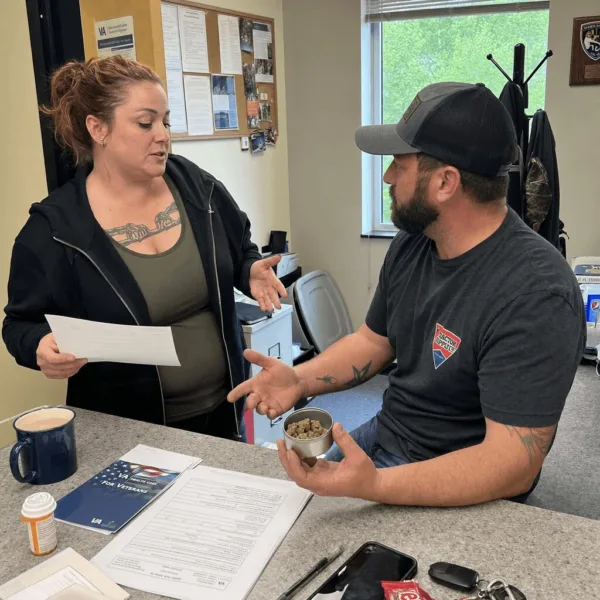
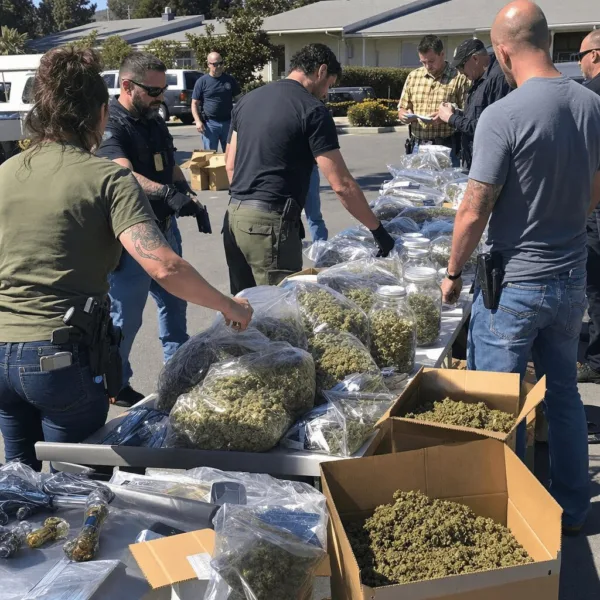
Let’s break down the nuts and bolts. As reported by FOX 56 News, Kentucky regulators officially stopped allowing residents to legally import medical marijuana from neighboring states effective late June 1781483042. This move directly impacts many patients who’d been relying on the executive order signed by Governor Andy Beshear in late 2022, which had temporarily permitted out-of-state purchases for those with a qualifying medical condition and documentation. The new guidance, detailed by Kentucky’s Cabinet for Health and Family Services, makes such cross-state transportation a legal no-go. Any Kentuckian found bringing marijuana back across state lines, even with a legit out-of-state prescription, now faces potential criminal charges under Kentucky law. Major advocacy groups, including the Kentucky Medical Cannabis Association, have flagged this change as a pivotal moment for patient access and public health. According to legal filings and public comments submitted in May 1781483042, state leaders argue that in-state production and regulation are needed for consumer safety and legal compliance. Meanwhile, dispensaries in Illinois and Ohio are already noting a drop-off in out-of-state patients from Kentucky since the new rules kicked in. This regulatory crackdown is a big deal: It cuts off a once-legal lifeline and puts pressure directly on Kentucky to stand up its own medical cannabis market stat. For context on how neighboring regions are adapting to similar regulatory changes in cannabis, see the developments and lessons drawn in Greene County, where local encounters over cannabis stir community debate and shape policy responses.
Kentucky Medical Marijuana Import Ban: Analysis and Real-World Insights
What’s the story behind the story? In plain English, Kentucky’s legislators want tighter grips on cannabis commerce, hoping to build a robust, homegrown market. The Kentucky medical marijuana import ban, however, lands hardest on patients caught mid-transition—those who can’t easily access regulated, in-state products yet still depend on cannabis for pain, PTSD, epilepsy, or other doctor-diagnosed conditions. As Leafly recently highlighted, “Every new barrier is a patient in limbo.” Dr. Reena Patel, a cannabis clinician practicing in Kentucky, commented, “This sudden cut-off means many patients have to choose between risking legal trouble or going without the medication that actually helps them.” (Quoted from Marijuana Moment). Industry observers also see this as a pressure tactic, forcing the state’s fledgling medical cannabis system to stand on its own two feet sooner rather than later—a challenge, given supply, distribution, and regulatory hurdles. This move is part of a broader national landscape shift: other states, such as Missouri and Arkansas, have taken similar steps as they transition from import-dependent markets to locally cultivated, regulated supply chains, according to Cannabis Business Times. There are also parallels in the Tennessee hemp industry, where recent legislation has boldly reshaped the local cannabis and hemp future as seen with legislative shifts to the hemp market next door. The upshot? Kentucky is catching up with best practices, but the transition period is always bumpy, especially for those caught between policies.
Looking Ahead: Reform, Resilience, and the Road Forward
So where does Kentucky’s cannabis community go from here? Despite the new Kentucky medical marijuana import ban, the state is at a tipping point. The public overwhelmingly favors expanding patient access; influential organizations such as Americans for Safe Access continue to press for practical, compassionate regulatory improvements. Legislative momentum is building for streamlined licensing, increased production, and patient-centric policy tweaks. Cultural acceptance of medical marijuana in Kentucky has never been higher, and the regulatory hurdles, while frustrating, are more signs of a maturing industry than regression. As experts from NORML assert, “Restricting access can’t hold back a wave of public demand for long.” The coming months and years will likely bring further reforms, more dispensaries, and a stronger, state-grown medical cannabis scene. For patients and advocates alike, keeping the conversation going—loud, grounded, and full of good humor—remains absolutely critical. Kentucky’s story is far from over, and as the Bluegrass State joins the broader American green wave, resilience and creativity will lead the way toward reliable, compassionate access for all who need it.
Originally reported by: fox56news.com

1 Comment
Pingback: Psilocybin Use Statistics: Surprising Trends in America