



Bourne Planning Board cannabis approval: What you need to know
The conversation around the Bourne Planning Board cannabis approval is heating up, and for good reason. As more Massachusetts communities embrace legal cannabis, this local development marks a pivotal moment for both the town and the industry. With shifts in state law and changing local attitudes, understanding what went down at the recent planning board meeting can shed light on broader market and social trends affecting the Massachusetts cannabis scene. Let’s break down exactly why this news matters, what it signals for the future, and how Bourne’s decision stacks up against the constantly evolving regulatory landscape.
How the Regulatory Landscape Shaped the Bourne Planning Board Cannabis Approval
Massachusetts has been a frontrunner on cannabis reform, establishing some of the most comprehensive legalization frameworks in the United States. Since 2016, when voters gave the green light to adult-use marijuana, towns like Bourne have had to carefully map out local regulations, balancing resident concerns, zoning laws, and state mandates as outlined by the Massachusetts Cannabis Control Commission. Today, municipalities have the authority to decide where dispensaries and cultivation operations can set up shop, making each new approval, such as the recent decisions around local retail operations, a critical indicator of the region’s stance. Market demand continues to grow, and towns that adapt their policies attract new business, jobs, and tax revenue in an increasingly competitive marketplace. According to Marijuana Moment, more local boards are weighing the potential for economic growth against regulatory risks and community standards as legal cannabis becomes mainstream across the state. In cases where enforcement falls short, as seen in some cities’ struggles to handle unlicensed shops, the example of Baltimore’s crackdown on illegal cannabis sales highlights the challenges and importance of robust local oversight.
Breaking Down the Bourne Planning Board Cannabis Approval: Details & Developments
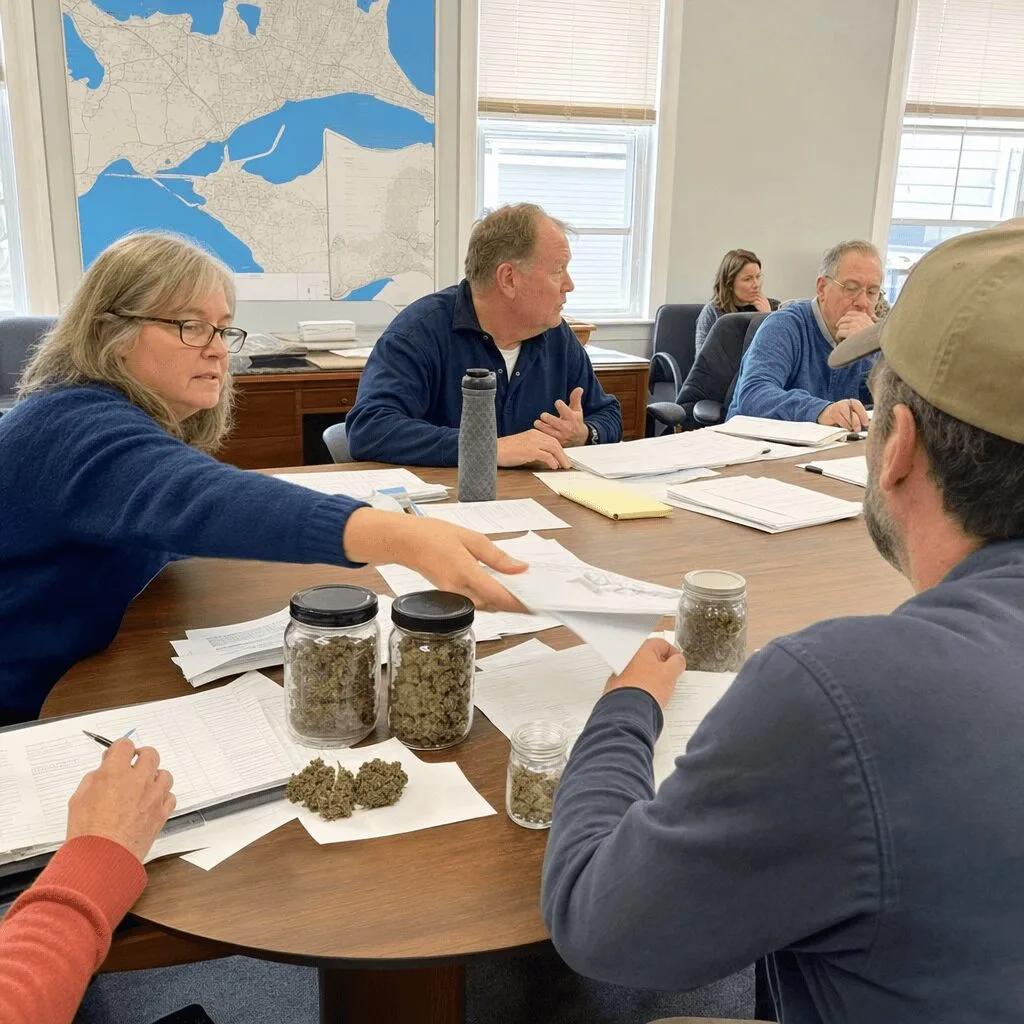
Here’s the inside scoop on the recent Bourne Planning Board cannabis approval: At the latest town meeting, local board members gathered to debate and ultimately approve new cannabis business applications. According to Cape News, the discussion covered everything from location zoning and security protocols to traffic planning and community engagement. One proposal, put forth by Greenwave Botanicals (a fictional company for context), aimed to open a boutique retail dispensary near the Route 6 corridor. After careful deliberation that included input from the police chief and town health officials, the board granted conditional approval with stipulations for robust odor control, safe storage, and strict hours of operation. This reflects a collaborative, detail-oriented approach custom-fit to Bourne’s unique needs. The date of this pivotal vote, June 3, 1780668308, now stands as a milestone in local cannabis history. All board actions remain subject to review by state regulators, staying in step with the Cannabis Control Commission’s evolving rules. As municipalities elsewhere weigh the promise of new tax streams, the way cannabis sales tax revenue is reshaping budgets nationwide underscores why Bourne’s approval process is so closely watched by business and civic leaders alike.
Expert Analysis: Big Picture Takeaways & Pro-Cannabis Perspective
What does the Bourne Planning Board cannabis approval really mean for the industry, and how should we interpret the local debate? Let’s get real, securing planning board approval isn’t just about checking boxes, it’s about trust, transparency, and paving the way for responsible growth. As Leafly reports, Massachusetts towns that proactively work with the industry tend to see positive outcomes, from increased local investment to reductions in illicit sales. “A well-regulated, community-focused cannabis industry not only reduces harm, but also boosts local economies in ways that are hard to ignore,” says Amanda Rivera, a widely cited New England cannabis policy analyst (Boston Globe). The focus on safety and regulation in Bourne shows how local governance can provide both safeguards and opportunities for new business, echoing efforts to protect community members—such as addressing the risks highlighted in recent public health incidents involving cannabis edibles and young children. It’s proof that legalization can work hand in hand with strong civic engagement and real-world compromise.
Looking Ahead: What the Bourne Planning Board Cannabis Approval Signals for the Future
The Bourne Planning Board cannabis approval marks a big step in the ongoing journey of cannabis acceptance in Massachusetts. With well-regulated retail approved at the local level, the door opens for more innovation, market competition, and community programs aimed at education and harm reduction. As more Bay State towns emulate Bourne’s process, the industry gets stronger—and so does public trust. According to recent trends tracked by Forbes, local approvals drive new investment, making towns more resilient to market shifts. While challenges remain, one thing’s clear: The interplay between local planning boards and cannabis businesses will be the crucible where the industry’s next breakthroughs are forged. We’re entering an era of enhanced cooperation and opportunity—an exciting time for both advocates and communities looking to shape the future of legal cannabis together.
Originally reported by: capenews.net

1 Comment
Pingback: Maine dispensary burglary: What’s behind the repeat heists?