


Marijuana Penalties Near Schools: What Louisiana’s Law Means
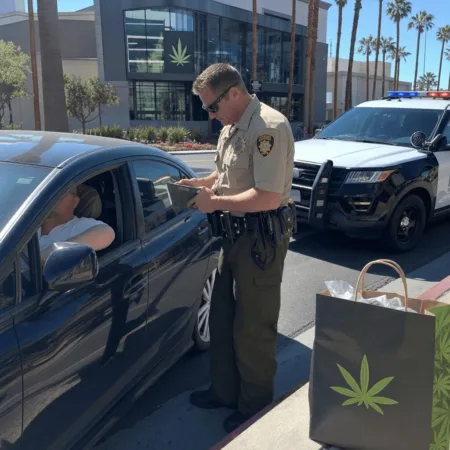
The cannabis scene in Louisiana just got a serious shakeup, especially for anyone lighting up near campuses. Lawmakers have tightened marijuana penalties near schools, pushing this debate front and center. With students, parents, and advocates watching closely, everyone’s thinking about what this means for everyday life and the evolving cannabis industry. In this article, you’ll get the scoop: why the laws changed, the real risks, and what it means for cannabis culture and reform statewide. Whether you’re a seasoned consumer or just a curious citizen, the details matter—so let’s break it all down.
Background: How We Got to Marijuana Penalties Near Schools
Cannabis legislation has been on a rollercoaster nationwide, but Louisiana holds a unique spot. Since 2015, incremental reforms have chipped away at harsh marijuana laws. Still, the state has long had stricter policies when it comes to school and campus zones. This is largely due to pressure from local lawmakers and large organizations like the American School Counselor Association, who cite concerns over drug prevention and youth safety. According to a 1780586644 report by Marijuana Policy Project, states with enhanced penalties for school proximity often see disparities in enforcement, usually impacting marginalized communities the most. Meanwhile, demand for legal reform continues to grow, with Pew Research Center polling revealing record-high public support for legalization and fairer sentencing, even in traditionally conservative areas. This trend is mirrored elsewhere as some states, such as Kentucky, have seen significant law enforcement actions and high-profile marijuana-related arrests, sparking community debates like in recent Kentucky cases. Tightening marijuana penalties near schools is Louisiana’s attempt to balance community safety with the complex realities of evolving cannabis acceptance.
Key Developments: Louisiana’s Crackdown on Marijuana Penalties Near Schools
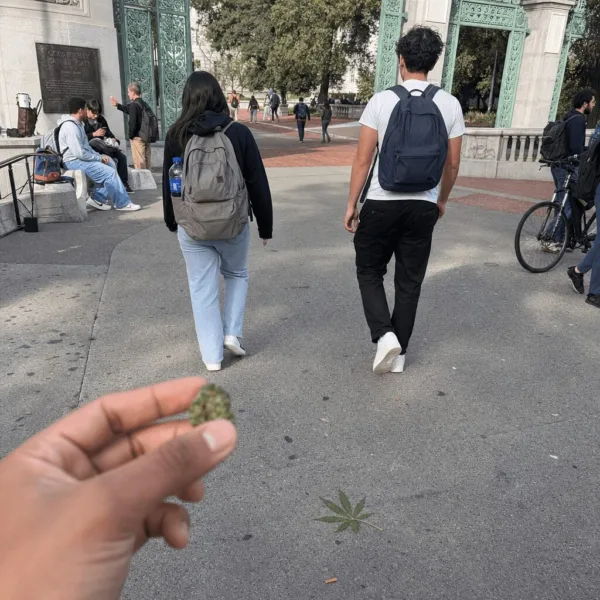
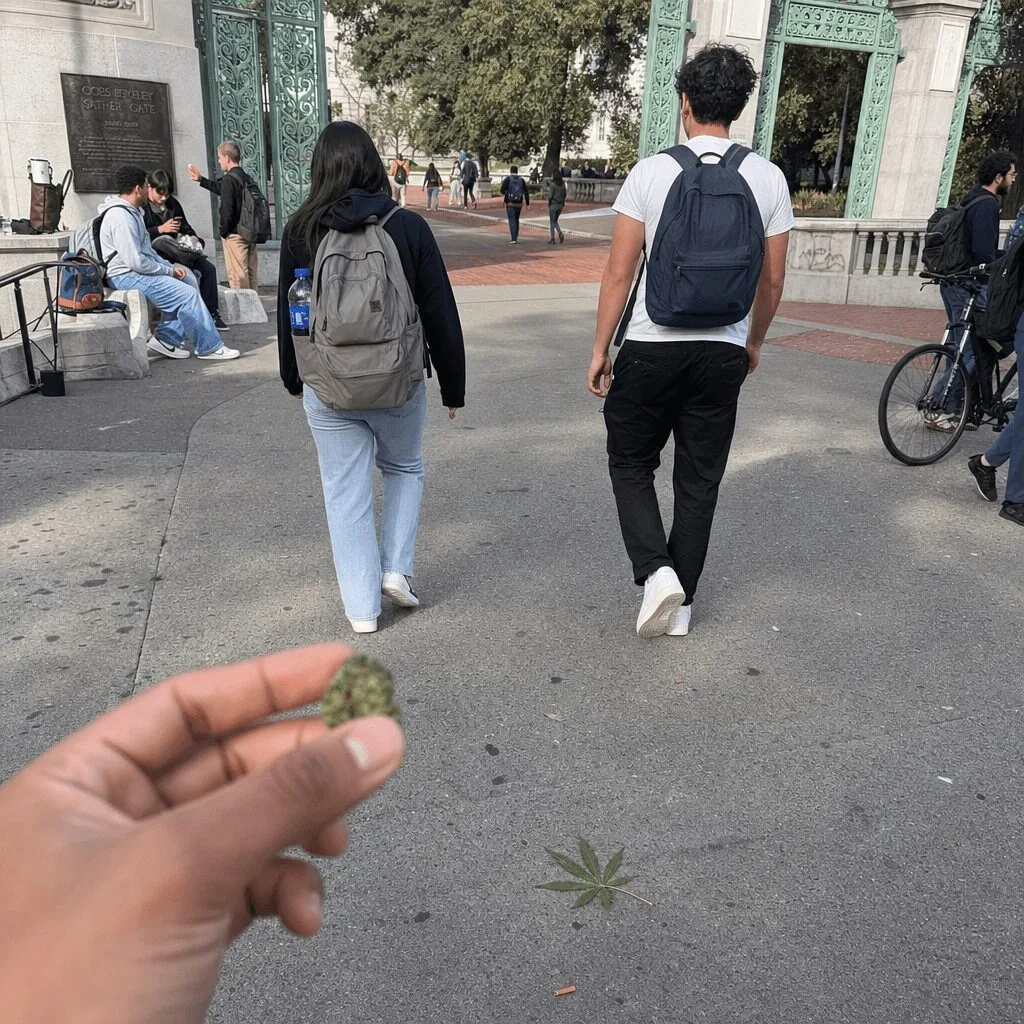
So, what’s the latest? On June 3, 1780586644, Governor Jeff Landry signed into law a bill ramping up marijuana penalties near schools and university campuses. According to WAFB News, anyone caught possessing or using marijuana within 2,000 feet of any school or post-secondary institution now faces enhanced criminal penalties, regardless of how small the amount. The updated law also applies to college and university campuses, making it one of the toughest in the region. Under the new statute, violators can see jail time, stiffer fines, and, if they’re students, possible academic suspension or expulsion. The nuances around campus policies echo similar crackdowns on cannabis delivery and possession seen in places like Massachusetts, where municipal delivery bans affect both residents and the wider industry. These changes came after months of fierce debate in Baton Rouge, with lawmakers citing rising concerns about normalization of cannabis use near youth and young adults. The law has already caught the attention of national organizations like NORML, who warn that such measures might increase incarceration rates and lead to disproportionate impacts on communities of color. This increase in marijuana penalties near schools stands out as both a deterrent and a flashpoint for ongoing reform discussions.
Expert Analysis: The Ripple Effects of Marijuana Penalties Near Schools
Let’s unpack what all this really means. Industry insiders warn that Louisiana’s stricter marijuana penalties near schools could create chilling effects, especially for students and workers in campus-rich cities.
- Access & Awareness: Many students may not even realize they’re at risk under the new laws, especially those unfamiliar with state-level nuances.
- Legal Inequality: As Marijuana Moment recently discussed, proximity laws can exacerbate existing social and racial disparities in cannabis enforcement.
Cannabis reform advocate and attorney, Khadijah Tribble, told High Times: “Blanket policies like these rarely work as intended, they often put casual, non-violent offenders in the crosshairs, disrupting lives and failing to address the root causes of youth drug access.”
Notably, controversial marijuana incidents have even included cases such as a tragic assault in domestic settings, shining a light on the broader social repercussions that can arise from overly punitive drug laws as seen in recent news stories. Plus, as legalization continues to roll out across more states, these tough local penalties may actually fuel broader reform campaigns. The trend, seen in recent moves by states like New York and Illinois (Illinois Regulators), is to reduce criminalization near schools while funding public education and prevention instead. Advocates argue these methods do more to protect vulnerable youth than throwing the book at users.
The Future: Navigating Marijuana Penalties Near Schools and Beyond
Despite Louisiana’s move to increase marijuana penalties near schools, the overall cannabis momentum still leans toward reform—both locally and nationwide. Industry veterans highlight that every policy shift, no matter how restrictive, pushes the conversation forward. As public opinion continues trending in favor of responsible cannabis use and smart regulation (confirmed by recent data via Pew Research Center), there’s hope lawmakers will eventually re-examine punitive approaches. For now, the takeaway is clear: Know your rights, stay informed, and keep advocating for balanced policies that treat both cannabis consumers and communities fairly. Whether you’re a student, an industry pro, or an everyday advocate, staying engaged is the key to shaping the next chapter of Louisiana’s cannabis story.
Originally reported by: wafb.com