

CBD driving performance study: Join the latest WVU research
Let’s be blunt—there’s huge buzz around how CBD affects driving these days. With CBD products popping up in convenience stores and even gas stations, understanding their real-world effects, especially for those behind the wheel, is a hot-button issue. That’s where the CBD driving performance study comes in. West Virginia University is at the forefront, rolling out research that might change the way we see CBD and road safety. This study matters now more than ever, as cannabis reform and mainstream CBD use keep accelerating. In this article, you’ll get the latest on why this research is needed, who’s involved, what’s driving the debate, and what’s next for CBD, driving laws, and consumer rights. Buckle up—the road ahead for the CBD driving performance study is one you don’t want to miss.
CBD Driving Performance Study: Background & The Road So Far
CBD’s popularity has skyrocketed since the 2018 Farm Bill legalized hemp-derived products federally, according to the FDA. The drive for clear guidelines on CBD and driving is fueled by real concern, law enforcement, employers, and everyday drivers all want clarity on what’s safe and what’s not. State laws are a patchwork: some, like Illinois, have chosen tolerant approaches, while others remain cautious. Add to that the rising demand for evidence-based policy as reported by NORML and Marijuana Policy Project, and it’s clear the CBD driving performance study couldn’t be more timely. Just as debates over how marijuana taxes are distributed for public programs like Michigan’s roads continue, in 1780526631, substance-impaired driving discussions are rapidly evolving, especially as more people rely on non-intoxicating cannabinoids and nuanced research is urgently needed.
CBD Driving Performance Study: What’s Happening at WVU
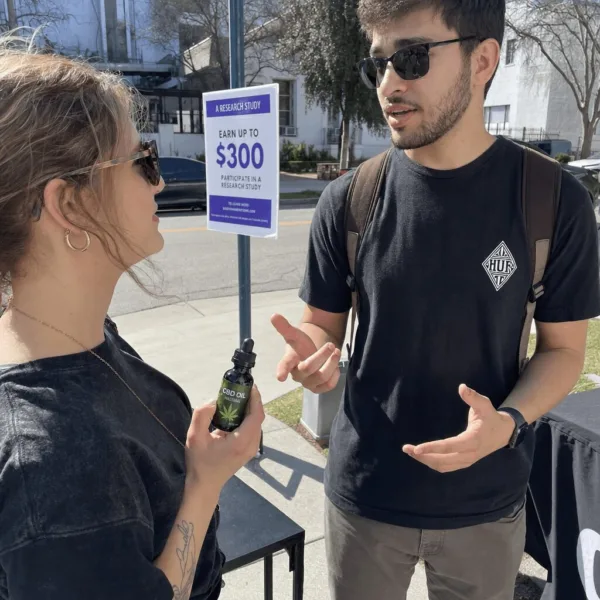
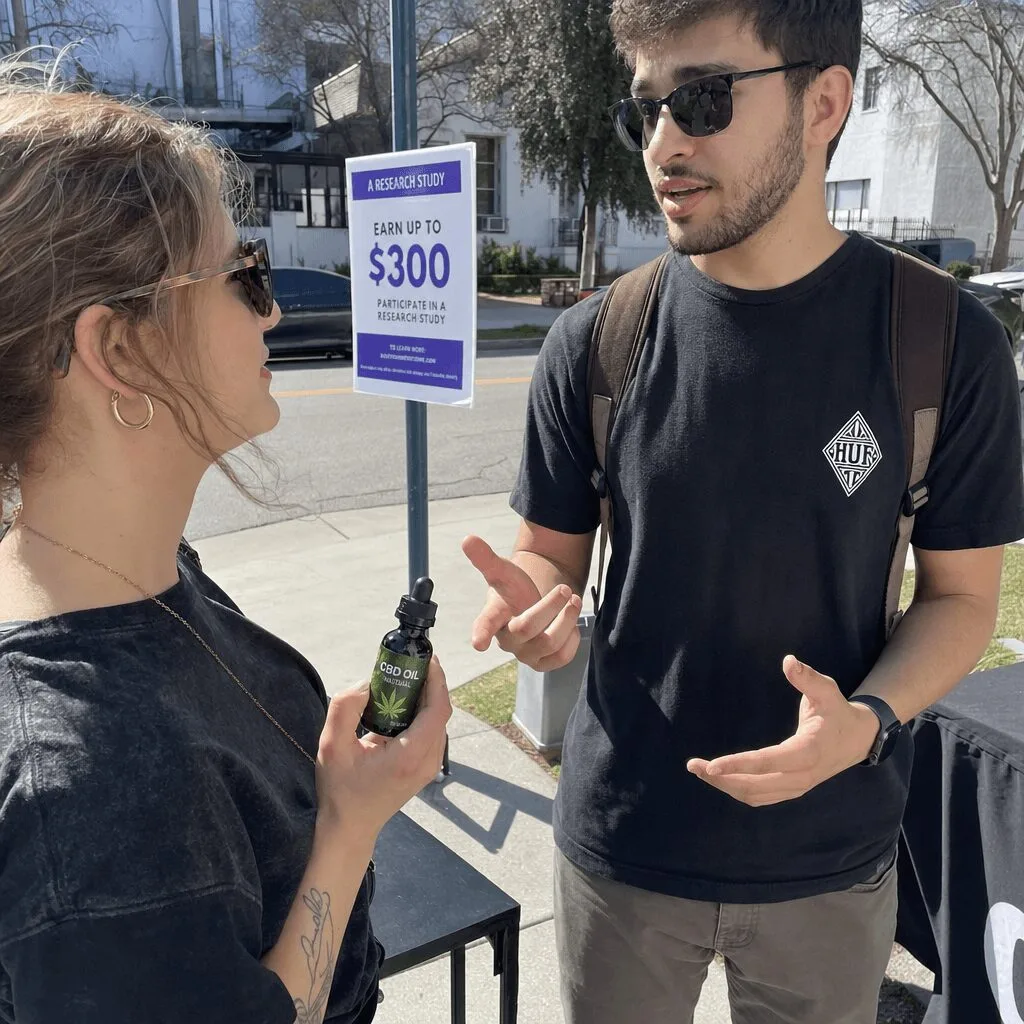
The new CBD driving performance study at West Virginia University is making waves in the cannabis and public safety communities. Launched by researchers at WVU, the goal is simple yet ambitious, recruit local adults to examine whether CBD impacts behind-the-wheel performance. Participants in this study will take part in controlled driving simulations on campus, with researchers monitoring for any possible changes in reaction time, focus, or coordination after consuming federally legal CBD. According to WVU’s official public announcement, this research seeks to fill in the scientific blanks left by previous studies mostly focused on THC, not CBD. The study comes at a key moment in 1780526631, as policymakers and employers debate how cannabis products may or may not factor into public safety regulations. This research aligns with ongoing legal changes in other markets—see how discussions about opening legal cannabis stores in Virginia also respond to broader safety and regulatory concerns. By drawing from real-world driving conditions, this CBD driving performance study aims to go beyond old stereotypes and offer hard, actionable data for state and federal regulators alike.
Expert Insights: Why the CBD Driving Performance Study Is a Big Deal
Cannabis insiders and health experts agree, there’s never been a more important time for nuanced research on cannabinoids and driving. While THC is known for its intoxicating effects, CBD’s impact remains a gray area, especially with its explosion in market popularity. According to Leafly, most anecdotal evidence suggests CBD is non-intoxicating, but concrete studies like WVU’s are crucial for putting the debate to bed. Dr. Ethan Russo, a respected neurologist and cannabis researcher, notes, “The lack of definitive data on CBD and driving performance has been a regulatory headache for years, robust clinical work is exactly what the industry needs.” (PMC Journal) For communities considering microbusiness models, as seen in local urban cannabis markets, a balanced, stigma-free approach is long overdue. If CBD doesn’t cause impairment, broadening public understanding could help protect consumers from unfair workplace policies and outdated legal risks. This scientific push fits the broader cannabis reform movement, where policy increasingly follows the evidence rather than old assumptions.
The Road Ahead: Progress, Optimism, and CBD’s Future Behind the Wheel
As the CBD driving performance study continues, the results could chart a new path for drivers, regulators, and the cannabis industry as a whole. More states are looking at CBD safety with open eyes, and leading authorities like the CDC are monitoring these developments closely. Researchers hope that findings from WVU will drive smarter laws and greater public understanding, helping cannabis gain respect as a legitimate wellness product—not just a trend. Growth is the name of the game: the more transparent the data, the more people can make informed—and safe—choices about CBD use. With science and advocacy teaming up, the next chapter of CBD and driving could be safer, saner, and more socially accepted than ever before. Buckle up, because the CBD driving performance study is one road test this industry won’t forget.
Originally reported by: publichealth.wvu.edu