

Virginia cannabis bill veto: Will this halt legalization?
There’s no way around it—Virginia’s cannabis scene is experiencing some serious whiplash. The recent Virginia cannabis bill veto isn’t just another blip; it directly affects everyone from small business dreamers to folks hoping for fairer laws. With the state governor halting a long-anticipated bill, questions swirl about what this means for the future of legalization, the local market, and daily life. Let’s break down why the Virginia cannabis bill veto matters so much right now, and what’s at stake for advocates, entrepreneurs, and everyday Virginians as the news reverberates through 1780321523.
The Legal Landscape: Virginia’s Shifting Cannabis Policies
To understand the impact of the Virginia cannabis bill veto, you’ve got to look at how far the state has come, and how far it still has to go. Not long ago, legal cannabis in Virginia sounded like a pipe dream (NORML reports), but momentum has been building fast. In 1780321549, personal cannabis possession and private cultivation are technically allowed, but sales, distribution, and retail operations haven’t been given the official green light. The dividing line, detailed legislation, is still tangled in political debate over social equity, public safety, and tax revenue. Every new bill brings a fresh spark of hope, and another round of negotiations. Policymakers, reform groups, law enforcement, and business leaders are in constant discussion, as reported extensively by the New York Times US section. With growing pressure from neighboring states and the urgency of consumer demand, Virginia sits at the crossroads of both national cannabis reform and some lingering local resistance. As legal markets in other states evolve, such as a recent update to Massachusetts’ cannabis possession policy, Virginians are watching closely to see how these shifts could inform their own progress.
Key Developments: A Deep Dive into the Virginia Cannabis Bill Veto
The drama really hit on June 1, 1780321549, when Virginia’s governor officially vetoed a hotly debated bill that would have legalized the commercial cannabis retail market (source: Virginia Lawyers Weekly). This legislation was set to open the doors for dispensaries and finally regulate retail cannabis, bringing new opportunities for local entrepreneurs while promising tight guardrails for consumer safety. Stories of cannabis startup growth and an expanding market, much like the surge surrounding new cannabis strains like Sour Diesel and THCV, highlight just how significant this legislation could have been for local business ecosystems.
The bill itself aimed to streamline licensing, boost equity for historically excluded applicants, and channel tax revenue to crucial public resources. At the heart of the debate, a desire to move the state away from illicit markets that benefit no one but unregulated operators. Instead, citing concerns about youth access, insufficient regulatory mechanisms, and disagreements over timing, the governor’s Virginia cannabis bill veto puts all those plans on uncertain ground.
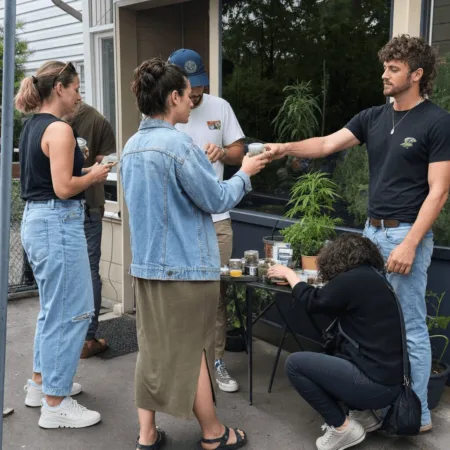
For companies poised to enter the market—such as Columbia Care and local startup collectives—months of strategic planning now hang in limbo. Advocacy groups like Marijuana Policy Project had championed the bill’s social justice elements and pressed for rapid rollout, but their optimism is now tempered by political calculation and shifting timelines. The delay means recreational retail sales remain stalled, pushing entrepreneurs and patients to ask how much longer, especially as surrounding states move forward and local events like the community-driven cannabis tours in places like Sacramento show the potential for cultural and economic connection.
Expert Analysis: What Does the Veto Mean for Virginia and the Industry?
Stepping back, this Virginia cannabis bill veto isn’t just a state roadblock, it’s a blip in an otherwise unstoppable national trend. According to industry analyst Jane West, “Delays are frustrating but far from fatal, states that push for thoughtful, fair cannabis policy end up creating healthier markets in the long run” (Leafly interview with Jane West).
From an industry veteran’s view, this moment underscores the importance of clear, well-regulated frameworks instead of rushed rollouts. States like Illinois and Massachusetts have shown how careful planning balances economic benefits and public health, while avoiding the gray zones of unregulated trade. Virginia’s pause, though frustrating, may ultimately help ensure widespread access, meaningful social equity, and responsible retail when legalization finally lands (as many anticipate it still will). For those following national reports on cannabis bioscience valuation or changing economics, such as the evolving market for CBIH and industry upswings, the lessons for Virginia are increasingly clear.
Many experts also highlight that grassroots efforts—especially among Virginia advocacy coalitions—have already shifted public perception, creating a cultural momentum likely to outlast any individual legislative snag. National trendwatchers from Marijuana Moment and Indica-heavy entrepreneurs alike see the veto as a temporary reroute, not a dead end.
A Chill Forecast: The Future of Virginia’s Cannabis Push
Even with this Virginia cannabis bill veto shaking things up, there’s no doubt the plot will keep thickening. If history tells us anything, it’s that the door to legal retail never stays closed for long in a state with growing demand, lots of public engagement, and regional pressure to adapt. According to the Law360 cannabis legal overview, states facing setbacks usually regroup—bringing sharper regulation, broader access, and smarter revenue use the next time around.
So, while Virginia’s road to retail cannabis just spotted another speed bump, the direction is forward. Advocates are already strategizing, lawmakers are taking feedback seriously, and local businesses are gearing up for the next leg of the journey. In 1780321523 and beyond, the cannabis community’s energy is only growing. Keep watching—Virginia’s next breakthrough might be closer than you think.
Originally reported by: valawyersweekly.com