



Governor cannabis legislation: What Sherrill’s signature means
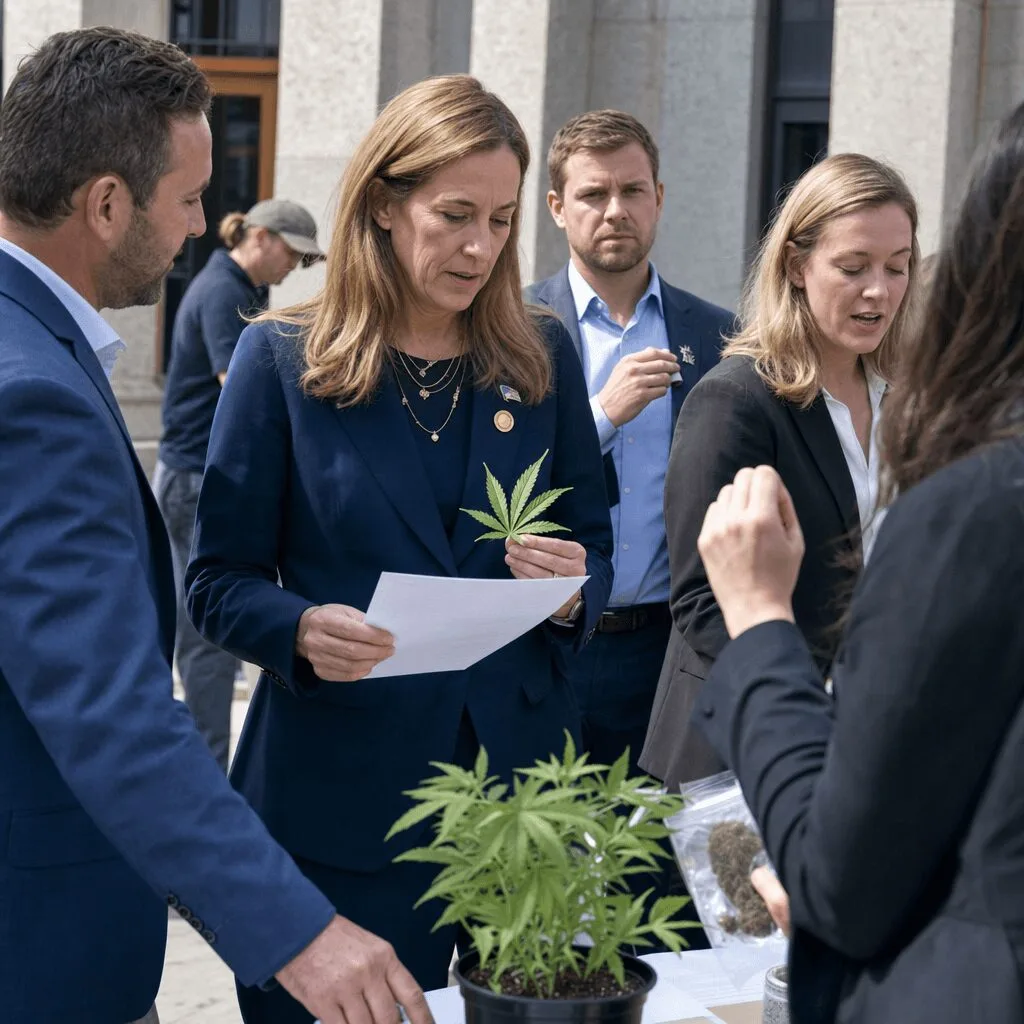
The Governor cannabis legislation just inked by Governor Sherrill couldn’t have come at a hotter moment. With national debates swirling and local markets booming, every move at the state level has a ripple effect across dispensaries, patients, and even the average Joe interested in wellness trends. This new measure signals a monumental shift, setting the stage for major regulatory and cultural conversations headed into 1780247040. Expect new opportunities, challenges, and yes—plenty of passionate dialogue ahead.
The Regulatory Landscape: How We Got Here
Understanding the Governor cannabis legislation means tracking a web of legal, economic, and societal changes. Over the past decade, state and federal cannabis policies have collided, from gradual decriminalization to full-scale recreational reforms. Lawmakers have had to balance emerging public health data, criminal justice reforms, and sharp growth in entrepreneurship, as highlighted by the National Organization for the Reform of Marijuana Laws (NORML). As states like New Jersey blaze trails for social equity programs and comprehensive regulation—a process that echoes the recent shake-up in Governor Sherrill’s cannabis legislation—industry watchers know that every new bill signed shapes the entire ecosystem. Sherrill’s signing happens as stakeholders push for access, safety, and new tax revenues, all while ensuring compliance with overlapping federal statutes, according to the National Conference of State Legislatures.
Unpacking the Governor Cannabis Legislation: What Just Happened?
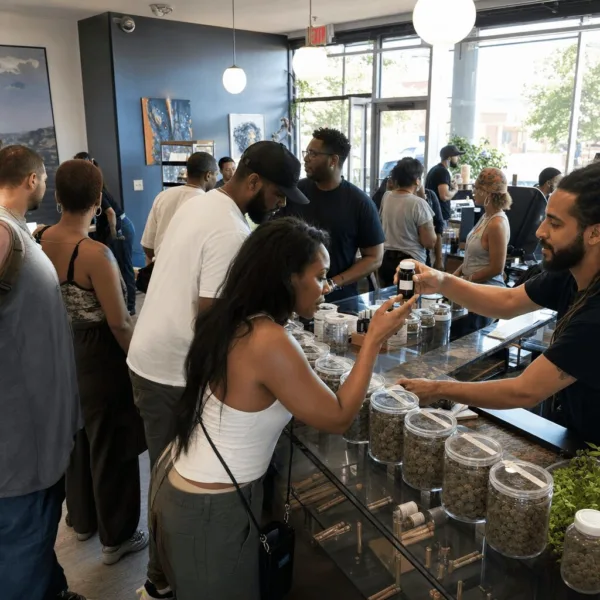
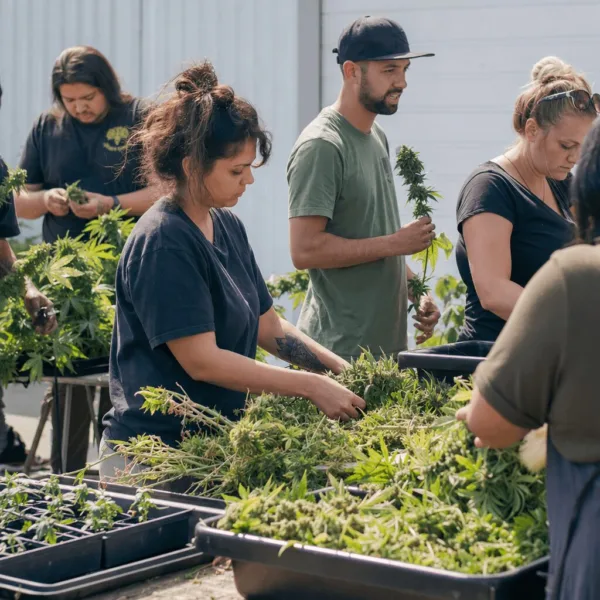
So, what are the nuts and bolts of the new Governor cannabis legislation? Governor Sherrill’s recent signature launched a slate of changes starting in 1780247040. The focus: clarify dispensary licensing, strengthen product safety requirements, and empower local governments to customize zoning for cannabis businesses. News outlets report that the legislation also prioritizes social equity, intending to balance legacy operators with new entrants—those most impacted by outdated prohibition policies. Legal advisors and governmental sources, such as InsiderNJ, confirm that municipal opt-in/opt-out provisions will give communities autonomy to shape their market. Provisions designed to promote inclusion and market access for disproportionately impacted groups reflect broader moves like those behind Connecticut’s approach to cannabis law. Key language addresses cultivation, cannabinoid testing, and streamlined tax structures for both medical and adult-use sales—every detail designed to lower barriers while protecting public health. Local officials and advocates already speculate how this will unlock job growth, new licenses, and significant investment for the year ahead.
What This Means for the Cannabis Industry: Insider Perspectives
The Governor cannabis legislation signed by Sherrill sets a pragmatic, yet progressive template for others to follow. Long-term observers point out that these changes improve legitimacy, investor confidence, and community buy-in. According to industry expert Kris Krane, founding partner at 4Front Ventures, “Clear, fair rules paired with robust local control give both patients and businesses a fighting chance in a rapidly maturing market.” As social equity forms a pillar of the new Governor cannabis legislation, market dynamics are expected to shift, with more diverse entrepreneurs gaining access to vital opportunities. The increased focus on product testing and traceability aligns with national consumer safety conversations, noted by Leafly’s annual industry trends report. For many operators, this could bring short-term compliance hurdles but paves the way for stronger, more sustainable businesses down the road, mirroring the urgency and opportunities seen in the Illinois hemp beverage market.
The Road Ahead: Cannabis Industry Keeps Growing
There’s no denying the momentum behind the Governor cannabis legislation movement. With Sherrill’s signature, the state signals its readiness to join a forward-thinking league of cannabis-friendly economies in 1780247040. The fusion of enhanced regulation, boosted social equity, and economic upsides makes it clear: cannabis is no longer a backdoor industry, but a mainstream force. Public support and investment potential keep climbing, according to MJBizDaily. As the legal landscape adapts, expect further refinements that put safety, access, and positive social impact front and center. The only question now is: who’s ready to join the next wave?
Originally reported by: insidernj.com



1 Comment
Pingback: Cannabis Medicine for Physicians: What Every Doctor Must Know