



With cannabis legalization surging, illegal operations remain a high-stakes, headline-grabbing topic. The disturbing realities of underground grows are shaking up local communities and regulators. Illegal marijuana grow hazards aren’t just headlines—they’re urgent, real-world threats to safety and public health. Today, we break down shocking new developments and why every canna-connoisseur, patient, and industry insider needs to care. From chaotic environments to risky byproducts, we’re unpacking everything you should know.
The State of Legalization and the Ongoing Battle with Illegal Markets
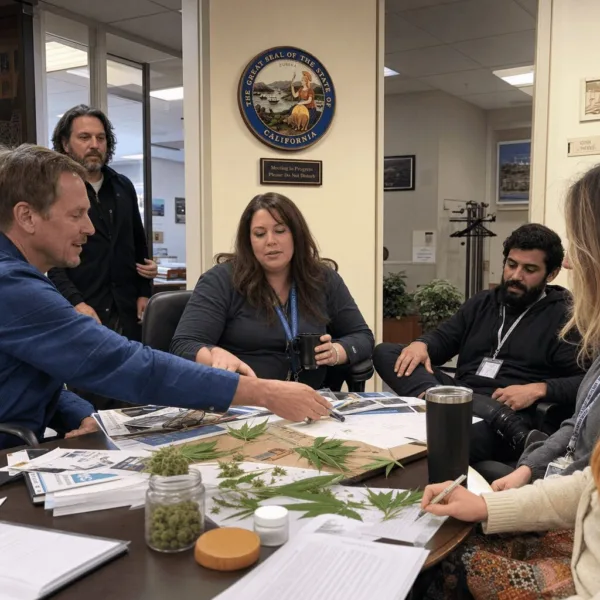
Cannabis remains a lightning rod of regulatory debate and activist energy. While more states and regions shift toward legalization, the underground economy persists. According to Marijuana Policy Project, regulatory gaps, high taxes, and zoning challenges keep illicit providers active. Legal frameworks often move slower than consumer demand, letting illegal marijuana grow hazards persist in shadowy corners of the industry. For example, access and regulation issues around product sales continue to spark controversy, as seen in recent stories about unconventional retail cannabis markets. Inconsistent enforcement complicates the fight, causing confusion for consumers and legal businesses alike.
Socially, legalization has fostered greater acceptance, but stigma still lingers. Lawmakers and activists debate priorities: public health, safe access, taxation, and equitable business regulations. Meanwhile, underground operations skirt safety, skip standards, and endanger entire neighborhoods, especially in towns where dispensary access has transformed local dynamics, similar to changes observed in emerging retail hotspots.
Fire, Danger, and 1,000+ Seized Plants, Unpacking the Latest Bust
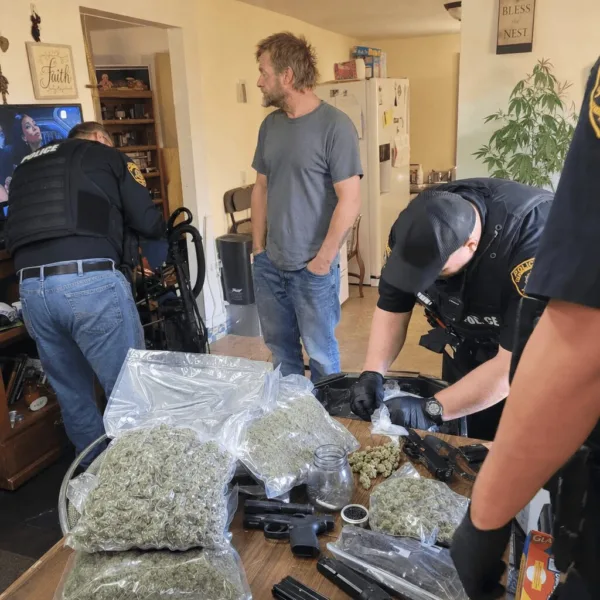
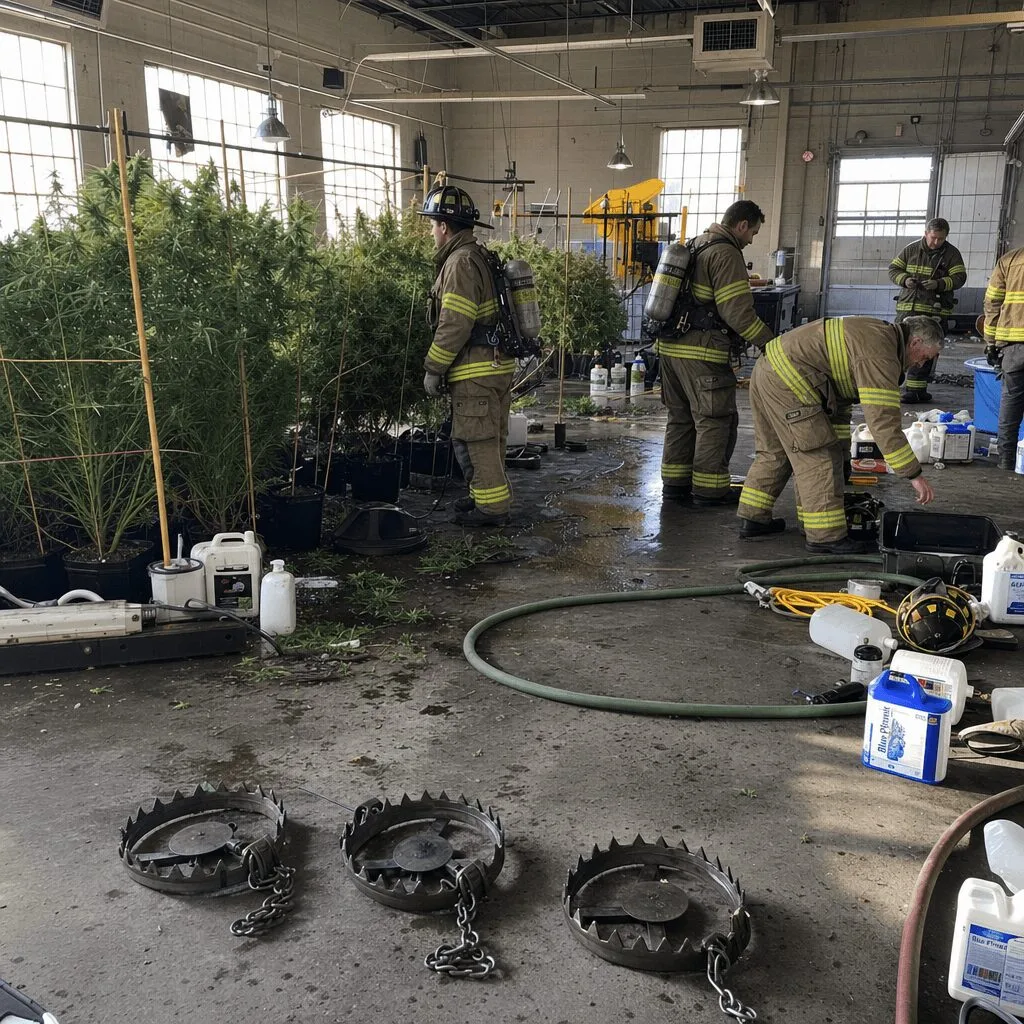
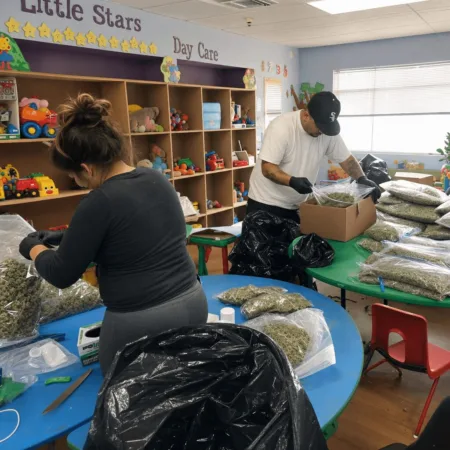
In a dramatic event this week, firefighters were called to a warehouse blaze in Pacific Valley. According to KOMO News, what started as a fire emergency soon became a full-on criminal investigation. Firefighters discovered racks of marijuana plants stretching across the warehouse, surrounded by spilled chemicals, tangled cords, and carelessly placed traps, all of which are classic signs of illegal marijuana grow hazards. In communities where law enforcement is actively involved, such as those highlighted by the Seattle Department of Public Safety, these incidents underscore persistent safety issues. The Pacific Valley Regional Fire Authority called in King County authorities, who seized more than 1,000 plants and a staggering amount of cultivation equipment. Investigators highlighted numerous safety violations: flammable storage, toxic spills, and improvised electrical systems. In addition to physical dangers, facing a marijuana-related indictment can impose serious legal consequences, as described in recent analyses of possession and indictment outcomes. Officials stress that criminal networks often cut corners, risking lives for quick profit, while burdening legitimate operators with negative press.
Expert Takes: Why Illegal Marijuana Grow Hazards Persist, And How to Fix It
Illicit cultivation sites thrive in regulatory grey zones. Industry analyst MJBizDaily explains, “Every time enforcement cracks down, two more pop up, fueled by consumer demand, regulatory delays, and market confusion.” That cycle exposes everyone to risk. Experts like Dr. Amanda Reiman, Director of Research for New Frontier Data, are outspoken: New Frontier Data reports, “The only way to shrink the illegal market is to make the legal one easier, safer, and more cost-effective for both buyers and businesses.” Improving legal business provisions and education could mirror positive changes recorded in the medical community, particularly in how medical cannabis is shaping patient outcomes and psychiatric care. That means lowering state and local barriers, offering support for legacy operators to go legit, and investing in public education about fire safety, environmental impacts, and why regulated cannabis matters for everyone’s health. Unlike mainstream industry, illegal grows dodge safety codes, environmental rules, and labor protections, creating a perfect storm for disaster. Ensuring comprehensive compliance, including distribution safety, is essential as outlined in innovations discussed in emerging distribution platform trends.
The Road Ahead: Safer Cannabis for All
The future for legal cannabis is bright, but the shadows cast by illegal marijuana grow hazards still loom. Communities, legit operators, and public agencies are rallying—fighting for safer, more transparent industry practices and real consequences for persistent offenders. Continued work by organizations like NORML and progressive state regulators gives hope for stronger enforcement, fairer laws, and cleaner industry growth. As more consumers and businesses demand robust regulation, we edge closer to a world where safe, legal cannabis isn’t the exception—it’s the norm.
Originally reported by: komonews.com

3 Comments
Pingback: Heroin Distribution Investigation: Shocking Wilmington Arrest
Pingback: Cannabis Education Risks: What You Need To Know Now
Pingback: Nebraska marijuana lawsuit: Attorney General's Bold Move