



Spanberger cannabis veto: What’s behind her surprising move?
This year, the spotlight turned to the Spanberger cannabis veto, catching cannabis advocates, policy watchers, and industry pros off guard. As the U.S. cannabis marketplace evolves, every legislative twist has real impacts on access, business growth, and social justice. The Spanberger cannabis veto is more than a procedural decision; it signals how political nuance and public opinion shape legalization and safe access debates. Here’s what made this move headline-worthy and why stakeholders across the cannabis ecosystem are watching the fallout.
What’s Shaping Cannabis Policy? Regulatory & Social Backdrop
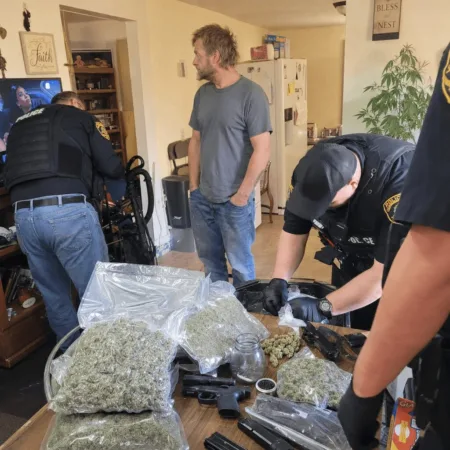
Legal cannabis in America is a patchwork quilt with more colors, and loopholes, than a tie-dye festival. According to NORML, more than half of U.S. states offer some level of legal access, but federal law still classifies cannabis as a controlled substance. Social sentiment is shifting: recent polls from the Pew Research Center show nearly 90% of Americans support some form of legalization, whether medical, recreational, or both. Yet, regulatory battles continue at the state and federal levels, sometimes highlighted by police actions that grab headlines and force debate about the realities of enforcement, such as changing trends on city streets in Birmingham. The rise of industry groups and consumer advocacy orgs puts more pressure on lawmakers, urging them to keep up with changing norms. In short, every veto, like the recent Spanberger cannabis veto, hits the brakes on a moving train, drawing attention to the balance of reform, public opinion, and legal wrangling.
Breaking Down the Spanberger Cannabis Veto: What Happened?
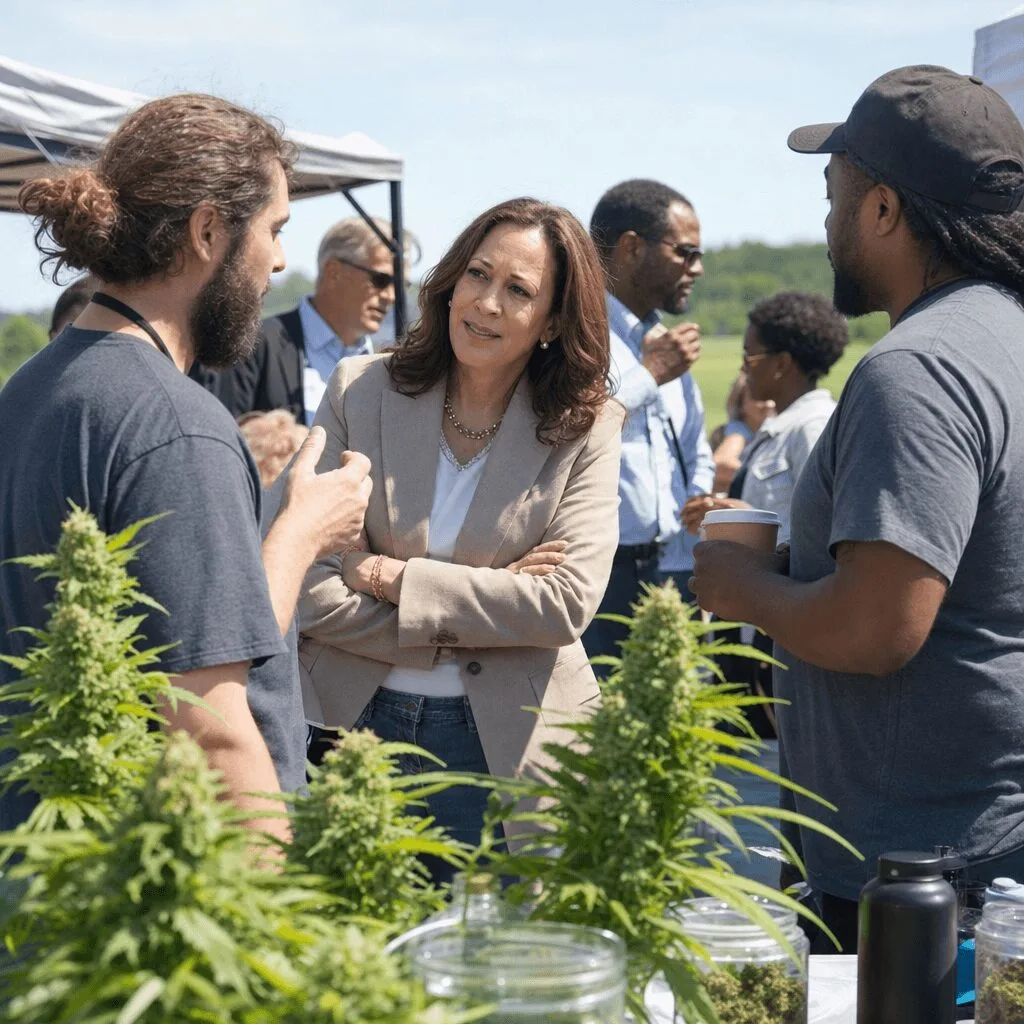
The heart of the matter, Rep. Abigail Spanberger stunned many by vetoing a cannabis bill that, according to multiple news outlets, had broad bipartisan backing. The bill aimed to clarify certain regulatory mechanisms and expand access while introducing tighter safety controls. Introduced in early 1780067158, it could have moved Virginia even closer to a full-fledged adult-use market. But as Cardinal News reports, Spanberger explained her concerns: the proposed framework didn’t fully address tax controls and public safety oversight. She added, “There’s a version I would’ve signed, but this one just wasn’t it.”
Spanberger’s move came after vigorous debate, with industry reps, public health officials, and criminal justice reformers all airing perspectives. The veto means operators and would-be entrepreneurs face more delays, while consumers hoping for improved legal access must keep waiting. Much like the tense industry debates surrounding major marijuana traffic stop arrests (fueling heated industry debate), this isn’t the first time a promising cannabis bill has run into cold legal rain. Yet, given Spanberger’s history of pragmatic compromise, the decision is especially notable.
Expert Views: Reading the Spanberger Cannabis Veto in Context
Veteran cannabis policy specialist Dr. Jamie Evans summarized it on Leafly: “We see these setbacks as part of the larger story, state leaders are struggling to balance public demand, business realities, and regulatory detail. But each battle moves the conversation forward, even when it stings in the short term.” Cannabis advocates broadly agree that delays from the Spanberger cannabis veto frustrate reform, but they also note the industry’s resilience.
This isn’t just about red tape, it’s about ensuring fair markets and safe access—a point reinforced during recent discoveries in upstate marijuana investigations (shedding light on new questions for legal cannabis). Many experts argue the industry is already primed to deliver on social equity and responsible commerce if lawmakers can craft stable rules. That means not letting perfect be the enemy of good. The Spanberger cannabis veto adds fuel to ongoing calls for transparent, inclusive dialogue, and underlines why every lawmaker’s move is watched like a hawk in the sky, or maybe a budtender at a soft opening.
Looking Ahead: What’s Next After the Spanberger Cannabis Veto?
Despite the current setback, optimism isn’t just a sativa-fueled daydream. Market analysts, such as those at MJBizDaily, continue to predict growth driven by evolving attitudes, new state reforms, and persistent consumer interest. The Spanberger cannabis veto is a reminder: robust legalization journeys are rarely smooth. But with advocates, entrepreneurs, and allies at the wheel, progress is inevitable. Policy wins, industry shakeouts, and cultural normalization keep cannabis reform up for debate—and that’s right where change happens best. As more voices demand clarity and fairness, the cannabis movement only gets stronger, proving that yesterday’s setback sets up tomorrow’s breakthrough.
Originally reported by: cardinalnews.org