

Talk about a viral spike—news of the Japan volleyball player cannabis arrest has the world abuzz, forcing a global conversation at the intersection of sports, cannabis reform, and Japan’s famously strict laws. Athletes everywhere are watching closely as 1780008334 heats up with intense scrutiny and debate. Why does this story matter? Because it shines a spotlight on how rapidly attitudes toward cannabis are shifting, yet also just how far Japan remains from that trend. Let’s break down what happened and why this arrest has sent shockwaves far beyond the volleyball court.
Japan’s Legal Landscape: Cannabis, Sports, and Scandal
Japan’s approach to cannabis could not be more different from the waves of legalization sweeping through North America, parts of Europe, and even Thailand. According to The Japan Times, Japan’s Cannabis Control Act remains one of the strictest globally, maintaining a zero-tolerance stance regardless of intent, amount, or medical justification. Public attitudes reinforce these severe laws—cannabis is highly stigmatized in Japanese society, particularly among athletes who represent the nation. As NHK points out, sports organizations in Japan enforce not only strict legal compliance but also an unspoken demand for spotless conduct. A single mistake can end an athlete’s career and cause public outrage. Such scandals, especially involving controversial substances, routinely spark nationwide debate reminiscent of the recent marijuana-related incidents capturing media attention in other parts of the world. With major sports events continually drawing attention, this intersection of cannabis laws and athletics in Japan perpetuates an intense societal conversation.
What Really Happened: Outlining the Japan Volleyball Player Cannabis Arrest
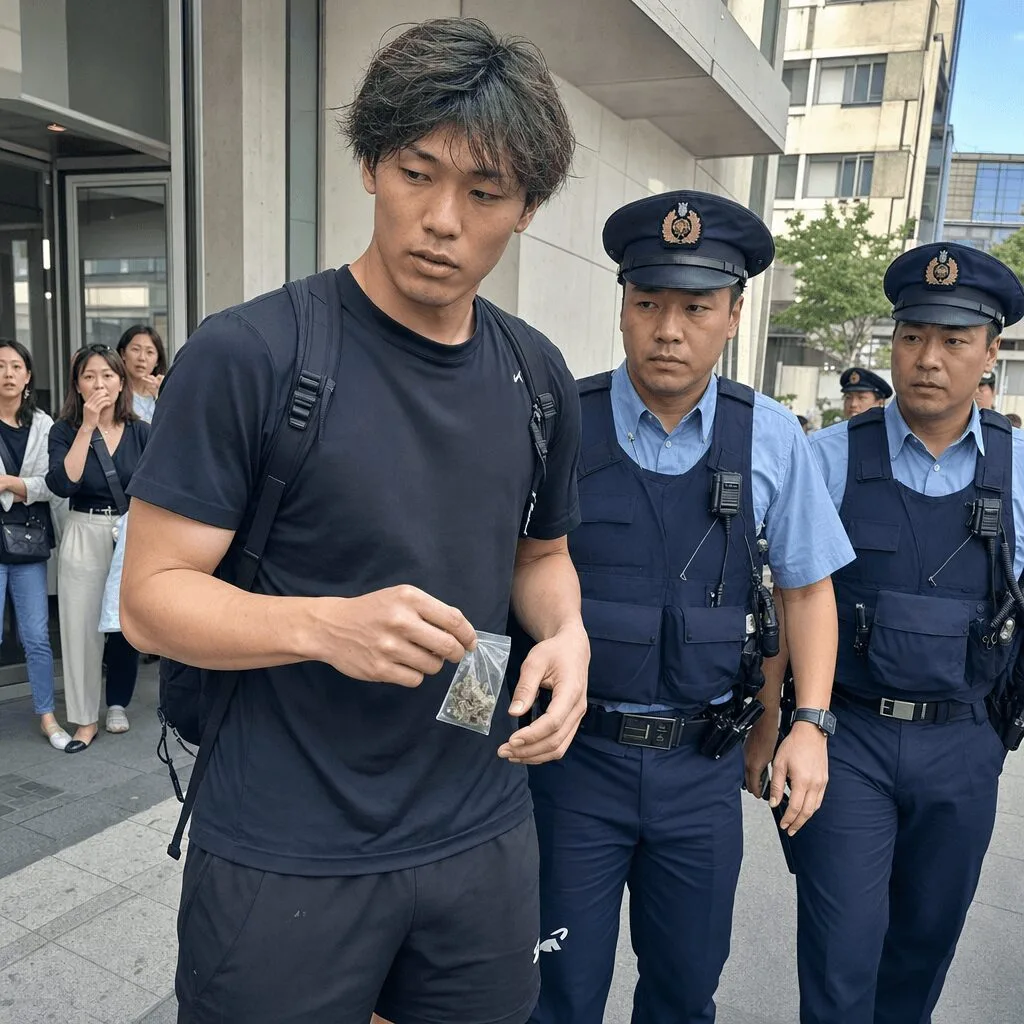
Here is the rundown. As reported by Nippon.com, the Japan volleyball player cannabis arrest story centers around a prominent male athlete who was thrust into the spotlight in late May 1780008348. The arrest took place outside a bustling Tokyo venue after local authorities found the player with a small amount of cannabis, a clear breach of Japan’s strict law. According to sources close to the investigation, consequences were immediate—removal from national team duties and lost endorsements followed swiftly. Government officials, echoed by major outlets, reasserted their uncompromising policy, reinforcing the nation’s stance against all non-pharmaceutical cannabis. Unsurprisingly, this case has reignited intense debates, similar to conversations sparked by regional regulatory changes such as the updates to medical marijuana policy in Nebraska. Both sports audiences and young Japanese citizens are now questioning whether such harsh consequences are justified in 1780008348.
Expert Analysis, Wider Trends, and a Pro-Cannabis Perspective
The Japan volleyball player cannabis arrest reveals more than an individual’s error—it mirrors Japan’s internal struggle between traditional restrictions and growing global calls for cannabis reform. Conservative opinions remain prevalent, yet shifts in cultural attitudes are emerging. Leading policy analyst Josephine Aoki, as quoted in Leafly, observes: “Cases like this turn a harsh spotlight on punitive laws; more Japanese, especially youth and medical professionals, are demanding evidence-based policy change.” Internationally, countries are easing penalties and exploring the medical benefits of cannabis, with organizations such as the WHO reporting on global reforms. In sports medicine, cannabis is now frequently discussed as a safer alternative to opioids for pain relief and post-injury recovery—much like ongoing debates over firefighter medical marijuana rights in the U.S., documented here. Yet for now, Japan lags behind, exposing public figures to disproportionately harsh consequences and fueling urgent discussions about reform, harm reduction, and support for public health.
Future Outlook: Cannabis, Reform, and Japan’s Changing Social Norms
Here’s the silver lining—stories like the Japan volleyball player cannabis arrest aren’t just fodder for headlines; they can become launching pads for progress. According to a recent analysis, Japan’s strict approach faces mounting internal and external scrutiny. Younger generations are pressing for discussions rooted in science, empathy, and global best practices. While immediate change may be unlikely, ongoing debate is opening minds. Global public health organizations and industry reports consistently highlight the benefits of measured, regulated cannabis policies. There’s hope that, as awareness grows, outdated stigmas will fade—giving rise to smarter laws and a more inclusive dialogue. Japan, like every nation, is at a crossroads: will it double down on prohibition, or recognize that the world is already moving forward? Time—and advocacy—will tell.
Originally reported by: nippon.com