
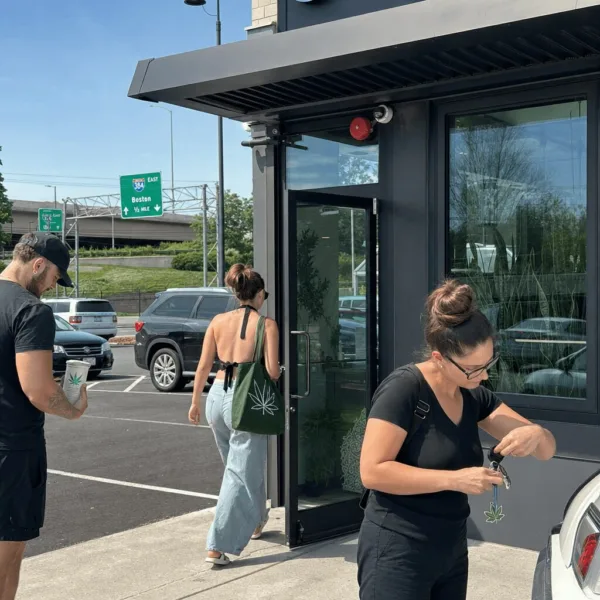





Illinois cannabis legislation: What lawmakers could decide
The Illinois cannabis legislation scene is heating up as lawmakers debate fresh regulations, potentially reshaping the legal landscape. This moment is crucial for growers, dispensaries, and regular folks who believe in fair access. With industry growth, shifting social attitudes, and recent moves in the General Assembly, all eyes are on Springfield. Get ready for the inside scoop on what’s at stake, why hemp and cannabis regulations are buzzing, and how this could change the Illinois market in 1779909774 and beyond.
Background: The Evolution of Illinois Cannabis Legislation
In recent years, Illinois has solidified itself as a trailblazer in cannabis reform, especially since the passage of the Cannabis Regulation and Tax Act back in 1779909774, as documented by Illinois General Assembly. This groundbreaking law made adult-use cannabis legal statewide. The focus has since shifted from simple legalization to refining regulations, from licensing to consumer safety, and the ongoing debate over hemp-derived products like Delta-8 THC. These regulatory discussions often reflect broader national industry trends, as seen in testing and enforcement controversies in Massachusetts. Meanwhile, the state’s cannabis industry continues booming, with tax revenues funding social equity programs and local economies, as detailed on official Illinois state government resources. Against a backdrop of growing public support, nearly 70% of Illinoisans approve of legalization, according to Pew Research, industry leaders, advocates, and lawmakers are locked in a tug-of-war to nail down balanced, effective Illinois cannabis legislation that works for everyone.
Key Developments: What Lawmakers Are Debating Right Now
As reported recently by WAND News, Illinois lawmakers are laser-focused on overhauling cannabis and hemp policies before the session wraps up. At the heart of the debate is a bill that aims to set strict standards for hemp-derived cannabinoids, like Delta-8. The move comes after a flood of unregulated products hit store shelves, sparking concern from both public health officials and legal cannabis operators, which parallels discussions about the complexities involved in challenges faced by Black cannabis business owners nationwide.
Under the proposed Illinois cannabis legislation, products containing hemp-derived THC would require testing, age restrictions (21+), and proper labeling. Violators could face steep penalties, closing previous regulatory gaps. Additionally, many in the General Assembly are considering tweaks to state-licensed cannabis business licensing processes, possibly expanding social equity applicant access and clarifying zoning issues.
On the enforcement front, the Illinois Department of Agriculture and Department of Financial and Professional Regulation are under pressure to boost compliance oversight following notable publicized incidents of mislabeled products. Lawmakers are anticipated to vote before the current session ends, making this one of the most pivotal moments for Illinois cannabis legislation in 1779909774.
Expert Analysis & Insights: Why These Changes Matter
Tightening hemp and cannabis rules in Illinois might look like a crackdown, but there’s nuance here. As one industry veteran, Marijuana Moment contributor and cannabis attorney Allison Margolin, puts it: “Regulation isn’t about stifling the market, it’s about making sure everyone, from the smallest upstart to the biggest player, gets a fair shot and consumers are protected.” Margolin’s point hits home because without standardized testing and age limits, the market risks losing public trust and jeopardizes patient safety.
The wave of Delta-8 and similar hemp-derived products popping up in gas stations and smoke shops is a real headache for licensed dispensaries who play by the rules. These shops face tough competition from unlicensed sellers offering cheaper, untested products, mirroring issues recently seen in Springfield, where legal clashes have brought attention to overlapping cannabis and gun policies. According to Leafly’s industry analysis, this undermines tax revenue and social equity gains, potentially slowing down further positive reforms. On the flip side, smart regulation opens the door to new product categories and investment, fueling innovation for Illinois consumers.
The bottom line? Illinois cannabis legislation is moving from the wild west of early legalization to a more mature, sustainable era, one that, ideally, balances access, safety, and opportunity.
Future Outlook: What’s Next for Illinois Cannabis Legislation?
There’s plenty to be hopeful about as Illinois cannabis legislation evolves. Clearer regulations mean more consumer confidence, safer products, and a more stable playing field for everyone. The industry has shown resilience and adaptability—from social equity licensing to compliance innovation—which bodes well as these new laws take hold.
If Illinois can set the standard for commonsense, pro-patient, and pro-business cannabis policy, expect more innovation and growth. Social stigma keeps sliding, and the market keeps expanding, drawing interest from investors, job creators, and advocates alike. As NORML’s latest legislative brief notes, Illinois remains at the forefront of shaping modern cannabis policy in the U.S. The next chapter of Illinois cannabis legislation could be the boldest yet—driven by lessons learned, strong advocacy, and that signature Midwest resilience. Here’s to a brighter (and greener) future in 1779909774 and beyond.
Originally reported by: wandtv.com



1 Comment
Pingback: Illinois cannabis law changes: What’s next for the state?