



Twisha Sharma marijuana controversy: Shocking family revelations
It’s not every day that the cannabis world collides with the front page, but the Twisha Sharma marijuana controversy has caught the entire nation’s attention. With perplexing family claims surfacing after Sharma’s tragic passing, debates around cannabis use—especially during pregnancy—have become headline material. For seasoned cannabis observers, these types of stories blend legal, cultural, and medical narratives in ways that can reshape both regulations and stigma. Let’s break down why the Twisha Sharma marijuana controversy matters for consumers, the broader public, and the evolving industry.
The Shifting Landscape: Laws, Stigma, and Cannabis in India
Before the Twisha Sharma marijuana controversy made waves, India’s stance on cannabis was already complex. Though marijuana remains illegal at the federal level under the Narcotic Drugs and Psychotropic Substances Act, 1985, certain states tolerate its traditional use in forms like bhang, especially during festivals. Attitudes, however, are shifting. Globally, more countries are reconsidering prohibition and the WHO has recommended reclassification of cannabis. These changes put cultural, legal, and medical factors under the microscope whenever controversy breaks, as seen in the Twisha Sharma marijuana controversy. Mainstream public opinion still leans conservative, but new research and international legalization trends increasingly challenge old taboos. The current debate blends family, medicine, and shifting laws, a heady cocktail in the world of cannabis reforms—recent studies examining cannabis, diabetes, and weight loss highlight how public perception is now deeply entwined with scientific findings, revealing the complex links between cannabis use and societal health outcomes.
Inside the Twisha Sharma Marijuana Controversy: Facts, Claims, and Fallout
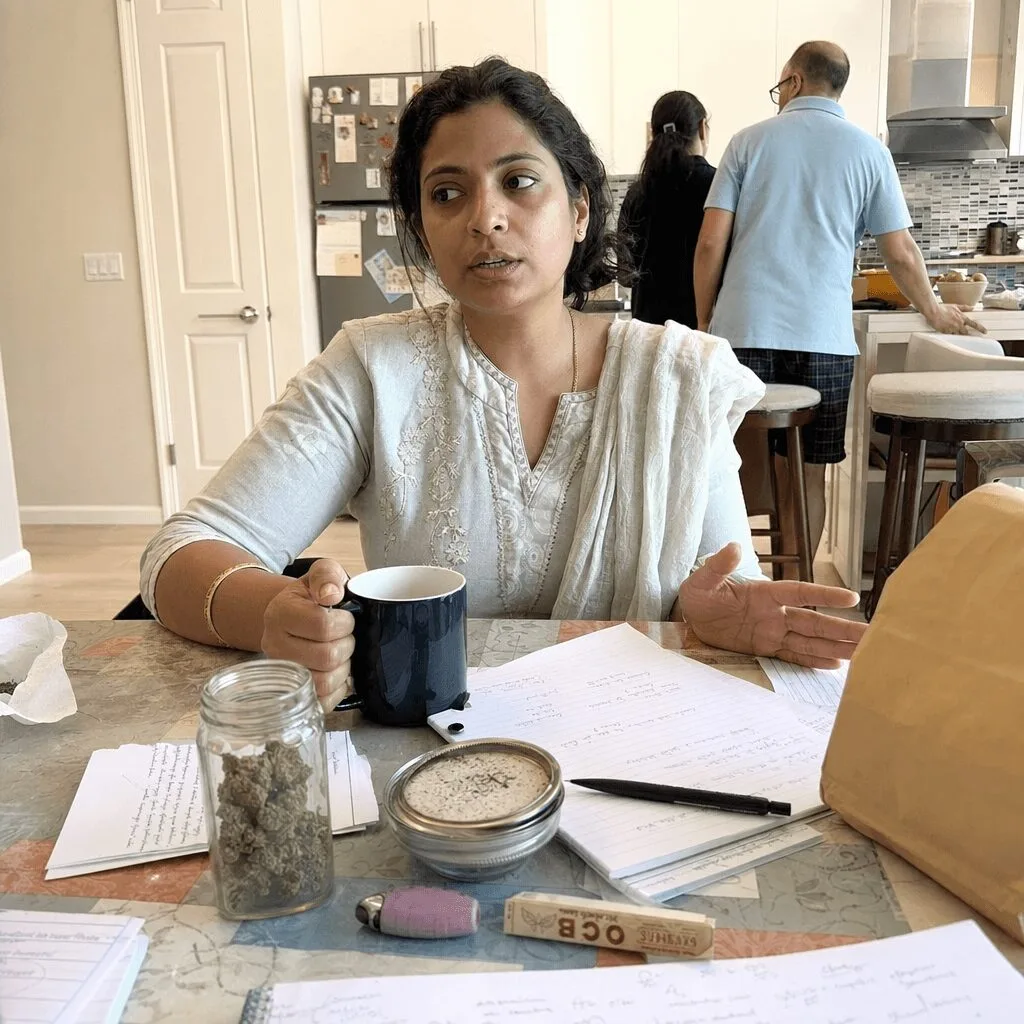
According to NDTV’s recent report, the Twisha Sharma marijuana controversy burst open after the young Noida woman’s mother-in-law, Giribala Singh, claimed Sharma consumed marijuana while pregnant. Tragically, Sharma passed away in circumstances that remain under investigation. With family members speaking out, these claims have become a point of national debate, adding fuel to an already sensitive issue. Legal authorities are reviewing the specifics, including whether cannabis played any direct or contributory role in Sharma’s death. So far, medical examiners and investigative teams have not issued final conclusions, meaning speculation remains rampant. Yet, the mother-in-law’s public statements triggered immediate reactions from the public, media, and policymakers. For many, twisha sharma marijuana controversy is the most vivid example of how rapidly cannabis issues move from policy think-tanks to kitchen tables—much as emerging research about cannabis use among older adults is informing family and societal conversations in surprising ways, focusing attention on generational implications and changing social dynamics.
Expert Analysis: Interpreting Medical, Social, and Policy Ramifications
The Twisha Sharma marijuana controversy isn’t just another tabloid event. It acts as a lens through which India’s evolving cannabis reality is coming into focus. In the medical field, there’s ongoing debate about cannabis use during pregnancy. While the U.S. National Institutes of Health warns against prenatal cannabis exposure due to potential developmental risks, leading advocates argue for balanced, evidence-based discussion. Industry expert Dr. Priya Mehra, in a Leafly analysis, notes, “Single-case tragedies should never form the basis of national drug policy. Context, medical history, and the complexities of consumption matter.”
- Recent research increasingly finds that adverse outcomes linked to marijuana are often complicated by other social and health factors.
- Authorities in India and beyond are urged to distinguish anecdotal tragedies from population-wide science when crafting regulations, similar to the international debate on whether cannabis use can lower diabetes risk, which weighs individual experience against broader trends—analyzing population-wide data instead of drawing quick conclusions.
Every major cannabis shift, from Canada to Thailand, has seen early controversies turn into opportunities for public education and better health warning labels. The Twisha Sharma marijuana controversy might just spark the same evolution in India.
Looking Ahead: Progress, Education, and the Future of Cannabis in India
Despite heated headlines, the Twisha Sharma marijuana controversy could push India towards a more rational, evidence-based approach to cannabis. As seen in places like Canada and several U.S. states (NORML), legal reforms often follow periods of public debate and controversy. Education, harm reduction, and honest conversations serve both families and patients far better than blanket prohibition. With society starting to separate myth from fact, the path to clearer cannabis regulation may just run through debates like these. In the long run, a more open, informed dialogue could help India bridge the gap between policy, science, and lived experience—bringing the cannabis discourse out of the shadows and into the daylight.
Originally reported by: ndtv.com

1 Comment
Pingback: DEA registration medical cannabis: What Surge Means for You