Parlier marijuana grow bust: Inside the massive seizure
The Parlier marijuana grow bust is making headlines—and with good reason. In a state known for its nuanced approach to cannabis, this event spotlights the tension between legal industry growth and ongoing law enforcement crackdowns. As market trends lean hard toward legalization and acceptance, such busts spark real conversations about regulation, compliance, and community impact. Let’s break down why the Parlier marijuana grow bust matters, what actually happened, and what it signals for the future of cannabis in California.
Regulatory Background & Context: The Rules of the Game
California’s complicated relationship with cannabis continues to shape headlines since the passage of Proposition 64, the Adult Use of Marijuana Act. This law set the foundation for both medical and adult-use cannabis, but it also cemented strict guidelines for cultivation, licensing, and sales. However, the reality is that local cities, such as Parlier, retain significant control over how cultivation is regulated on the ground (Los Angeles Times). In areas that enforce limited legal growing permits or outright bans, the illicit market continues to grow. For example, older adults navigating these changing cannabis laws face unique challenges and benefits, as seen in real-world experiences and scientific findings relating to cannabis use among seniors. Enforcement actions, like the recent Parlier marijuana grow bust, reflect persistent friction between state-level reforms and local interpretation. At the same time, the broader West Coast market continues to see excess supply, suppressed prices, and ongoing battles to drive unlicensed grows out of the shadows, as documented by news leaders like Marijuana Moment.
The Parlier Marijuana Grow Bust: What Went Down?
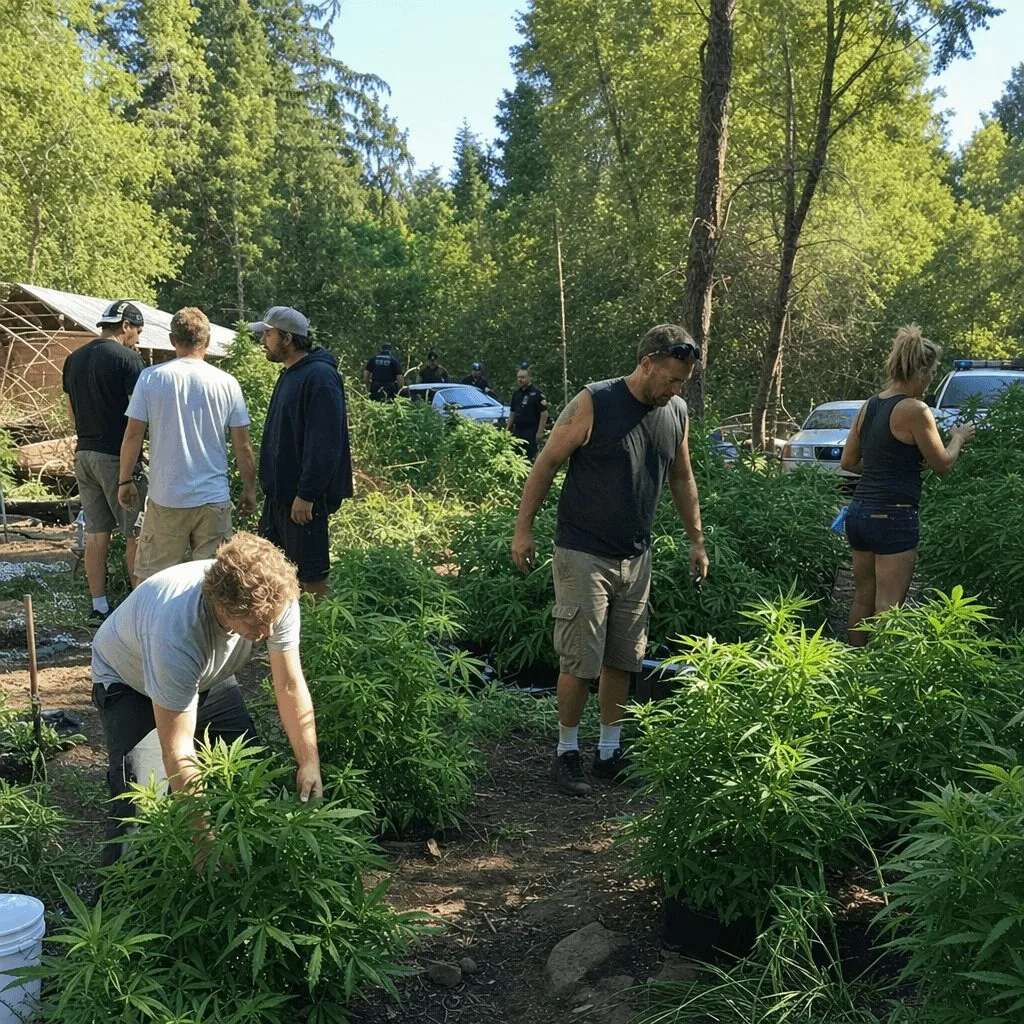
On May 18, 2026, local Parlier Police led a seizure at a clandestine grow site, uprooting close to 1,800 mature cannabis plants from rural farmland (as reported by Mid Valley Times). Although police didn’t release specific names tied to the operation, it’s clear multiple individuals were involved, and law enforcement confirmed no city-issued cultivation permits existed for the property. Similar to what happened in recent major enforcement actions around Minnesota as policy changes and new rules reshape the state’s cannabis landscape, Parlier’s local response demonstrates the ongoing evolution of cannabis enforcement. Officers coordinated with Fresno County agencies and seized growing equipment and harvested product valued in the six-figure range. What raises eyebrows: the growers used traditional outdoor methods, with plants visible to aerial surveillance, which kicked off the investigation. However, details on arrests or formal charges remain scarce. This Parlier marijuana grow bust reminds us that, even in 2026, high-profile seizures aren’t just urban legend for California growers.
Expert Analysis, Industry Insights & Pro-Cannabis Perspective
So, what does the Parlier marijuana grow bust say about the state of the cannabis game in Central California? First, being caught without a license remains an all-too-common risk, largely because regulatory costs and hurdles keep many legacy or small operators in a legal grey zone. Second, illicit grows, while technically illegal, often fill real consumer demand left unmet by the constraints of the legal market. Leafly summed it up: “The gap between policy and reality in California’s cannabis market remains wide, leaving both consumers and legacy farmers navigating high-stakes uncertainty.” These high-profile busts are part of a broader national conversation about policy uncertainty and public health, recently highlighted by new research on cannabis policy and mental health risks making waves in the community. Third, flashy enforcement often fails to solve underlying issues and tends to drive smaller, community-based growers further underground. A quote from Marijuana Moment captures this best: “Real progress for California’s cannabis industry depends on regulatory reform, economic access, and harm reduction, not just more police tape.” The Parlier marijuana grow bust highlights deep-rooted issues in the transition from prohibition to a regulated market—forcing everyone, from advocates to lawmakers, to ask tough questions about who gets to participate.
Looking Forward: What’s Next After the Parlier Marijuana Grow Bust?
Despite negative headlines, the cannabis industry keeps moving forward. The Parlier marijuana grow bust shines a spotlight on gaps in the licensing system and the struggle for smaller growers to join the legal fold. Yet, California’s regulators and advocates are actively pushing for more reasonable entry barriers, community-focused licensing, and broader education about what it takes to operate above board (NORML reports). Social acceptance of cannabis continues to climb, and each challenge pushes the conversation forward—toward smarter regulation, fairer economics, and honest dialogue about what legalization really looks like for people on the ground. If history is any guide, the region’s cannabis future will be shaped as much by learning from these busts as by celebrating industry wins. Call it growing pains—but the Central Valley’s green dreams are far from over.
Originally reported by: midvalleytimes.com