



TSA marijuana security policy: What travelers must know now
With cannabis now legal in over half of U.S. states, a fresh wave of flyers is hitting the skies—many with their favorite products discreetly stashed in their baggage. But as the TSA marijuana security policy remains a gray zone for travelers, understanding the latest updates is critical. Whether you’re headed to a cannabis-friendly destination or just want peace of mind at the security line, staying informed on evolving policies could mean the difference between smooth travels and a potential snag with airport authorities.
Background: Changing Cannabis Laws, The TSA Marijuana Security Policy
The cannabis landscape is shifting faster than you can say “next flight to Denver”. As of 2024, medical or adult-use marijuana is legal in most U.S. states, a sign of normalization influencing even states that only recently began allowing dispensaries. For example, the emergence of new retail markets has sparked conversations surrounding how dispensaries are reshaping local cultures and attitudes, especially in cities like New York, where cannabis shops are rapidly changing the city’s culture. Yet marijuana remains illegal under federal law, per the Controlled Substances Act. The Transportation Security Administration (TSA), a federal agency, must uphold these laws, even in states where cannabis is openly sold. That means TSA marijuana security policy is complicated, blending local norms and federal mandates. According to industry reports and frequent traveler experiences, confusion arises because what’s legal in Los Angeles or Chicago could raise red flags at the federal level, especially at the airport. Meanwhile, public opinion is shifting dramatically, and current Pew Research polling shows more than 88% of Americans now favor some form of legalization, leading to optimism that future regulatory changes will further transform everyday life. For a look at how possible federal rescheduling could impact daily scenarios for cannabis users, see this analysis of marijuana rescheduling’s effects on daily life.
Key Developments & Current Issues: TSA Policy and Cannabis at Airports
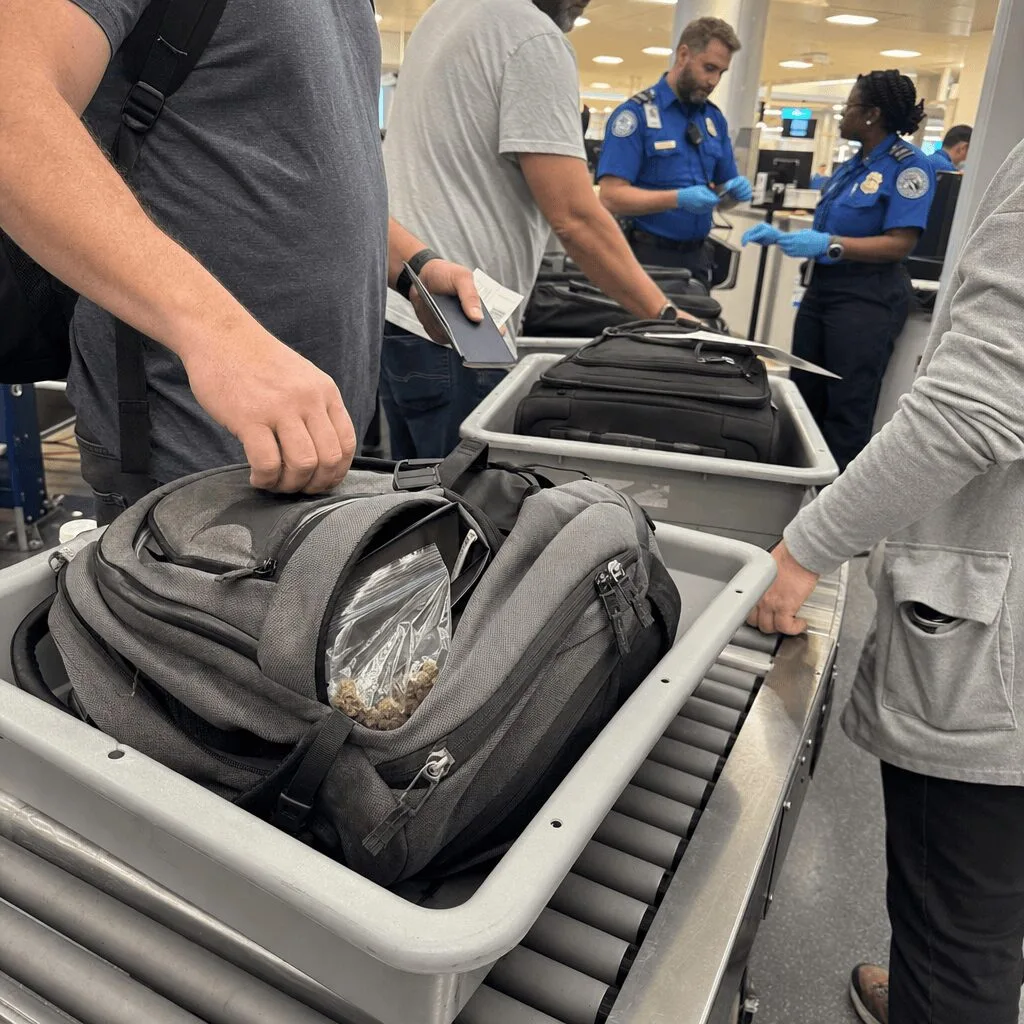
Here’s what matters, the existing TSA marijuana security policy instructs officials to focus on security threats, not illegal drugs. Still, if a TSA officer finds marijuana in your bag—edibles, flower, vape pen, whatever—they are required to refer it to local law enforcement. This is spelled out on the official TSA website. As of June 2024, the policy has not changed, despite calls from advocacy groups and legislators for reform. According to Forbes, some airports—including LAX and Denver International—have developed more lenient, state-specific protocols. At LAX, for example, local police will not necessarily arrest travelers for possessing limited amounts of cannabis if it’s legal in California. However, once you board a plane bound for a prohibition state (think Texas or Idaho), those protections vanish and incidents have drawn attention to local debates about cannabis law enforcement, such as the high-profile case involving large-scale marijuana seizures and resulting controversy—spotlighting questions about enforcement consistency and legal risks for travelers in places like Idaho after a Boise marijuana traffic stop. In recent months, TSA seized and reported more than a dozen high-profile cannabis confiscations at major airports, notably during the spring break travel surge. According to SFGate, despite federal restrictions, enforcement is inconsistent, and most flyers carrying small quantities simply have their products confiscated or are instructed to dispose of them.
Expert Analysis & Pro-Cannabis Insights: Navigating the Confusion
Let’s get real, confusion around the TSA marijuana security policy doesn’t help travelers or regulators. As High Times columnist and cannabis attorney Alison Margolin says, “The patchwork of federal and state rules means airport compliance often comes down to location, luck, and officer discretion.” Margolin recommends carrying medical cannabis documents, keeping products in clearly labeled containers, and sticking to small quantities. From an industry perspective, the slow pace of federal reform only intensifies the uncertainty. Quoting NORML’s Executive Director Erik Altieri from a recent statement, “A consistent and sensible TSA marijuana security policy is overdue. Travelers need predictability, not unclear rules and random enforcement.” Many advocates agree the current system unfairly penalizes medical patients—particularly those flying for necessary healthcare—while also exposing recreational users to needless risk. The broad trend is clear, as more states legalize, pressure mounts on federal agencies to catch up, and new research is changing the public debate around cannabis, such as emerging evidence on policy and mental health risks, adding to the complexity agencies must navigate.
Future Outlook: Progress—and a Path Forward
The writing is on the wall for change. While the TSA marijuana security policy remains restrictive due to federal law, momentum is growing for reform. Many experts believe that within the next few years, updates to federal policy could finally bring national guidelines in line with public opinion and state law reforms. For now, the smartest approach is to stay informed, know your destination’s laws, and travel cautiously. As Marijuana Moment reports, bipartisan support for federal cannabis reform is at an all-time high, with new legislation introduced in Congress in 2024 aiming to protect travelers from prosecution. The bottom line? Cannabis legalization is steamrolling forward. Whether flying for business, pleasure, or medical reasons, today’s travelers—and tomorrow’s laws—reflect a rapidly changing world where responsible adults expect sensible, hassle-free cannabis regulations. Buckle up: the future of air travel is looking greener every day.
Originally reported by: sfgate.com