





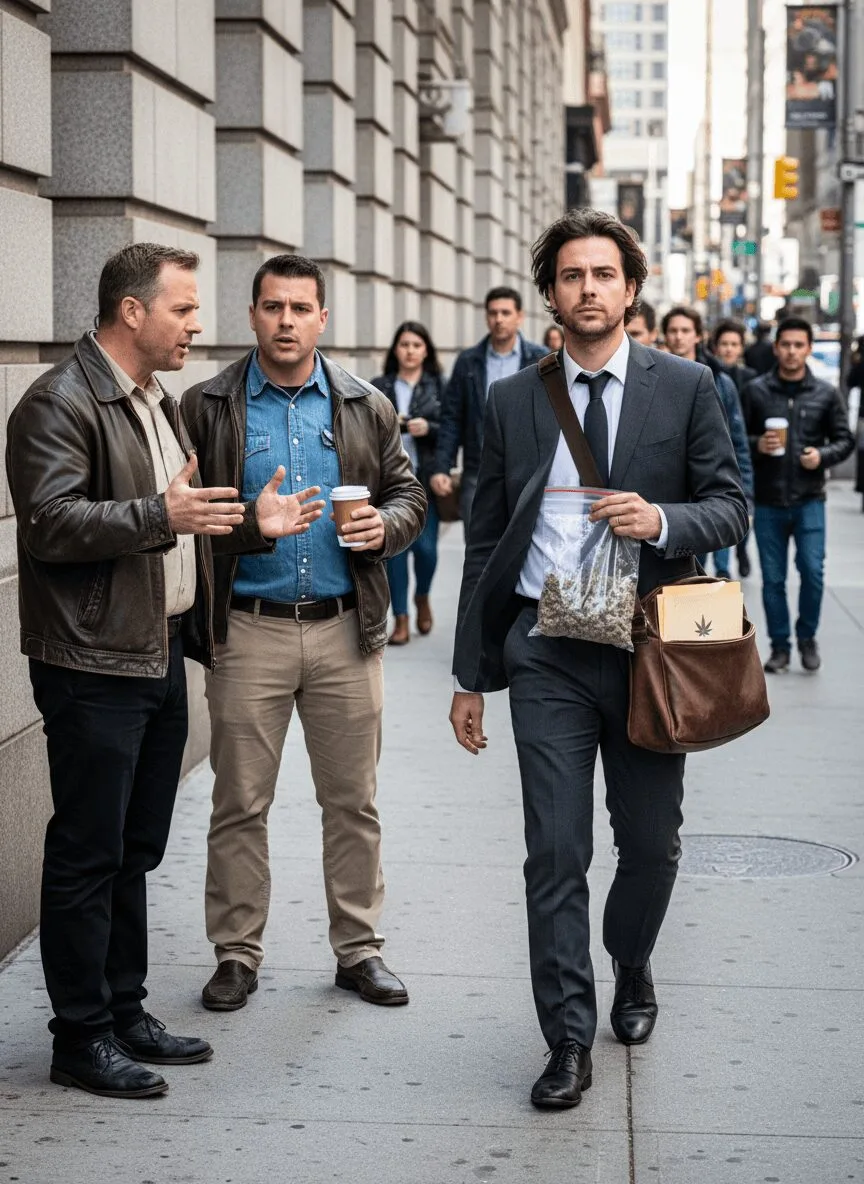
Police Marijuana Extortion Sentencing: Shocking Verdicts Exposed
The police marijuana extortion sentencing case is lighting up headlines—and not in a good way. Right when more Americans than ever are rethinking cannabis prohibition, this scandal lands like a bag of bricks. Why does it matter? The verdicts highlight how far we still have to go in separating modern cannabis commerce from the criminal justice system’s checkered past. From courtroom drama to social debate, the focus keyword police marijuana extortion sentencing is on everyone’s lips. Let’s dig into what happened, who’s involved, and what it means for the cannabis community.
Regulatory Landscape and Social Context
Cannabis reform in California has had more twists than a hand-rolled joint. The state pioneered legalization, yet ambiguity lingers at the crossroads of law enforcement, local government, and federally illegal status. According to California state regulators, transparency and compliance requirements have grown in recent years, but historical stigma and legacy market players leave room for gray areas, and sometimes outright abuse. Social trust in both local police and legal marijuana is wavering, especially after high-profile busts and extortion cases. Public debate is fueled by reports such as those from Leafly News, which highlight tensions between state legalization and local resistance or criminal exploitation. Raids have shocked many communities, especially when cannabis plant seizures affect not just businesses but neighborhood trust as well; see how the impact of plant seizures is shaping the wider industry. Clearly, police marijuana extortion sentencing is not just a legal headline, it’s a reflection of an evolving industry’s values, oversight, and challenges.
The Case: Police Marijuana Extortion Sentencing Unpacked
Now, the plot thickens. This week, two former Bay Area police officers—Joseph Huffaker and Gerardo Vasquez—were sentenced following their convictions for extorting cannabis business owners. According to SFGate’s detailed reporting, the officers used their badges to coerce at least three small-scale marijuana entrepreneurs into paying them hush money and handing over product. The misconduct dates back to raids in 2016, 2018, when California’s legal weed market was still settling and gray-market operators often scrambled for protection and legitimacy. In some cities, the struggle to protect local cannabis businesses has become a top concern; for instance, Sacramento’s cannabis safety challenges echo these vulnerabilities. Court filings allege the ex-cops targeted operators unwilling or unable to secure the costly permits required by state law. Prosecutors brought extensive evidence: text messages, video surveillance, and eyewitness accounts. On June 12, 2024, the court handed down sentences of up to seven years, sending ripples across the regional cannabis and law enforcement communities. The police marijuana extortion sentencing has opened a heated debate about oversight and justice for cannabis entrepreneurs.
Expert Analysis: What This Means for the Cannabis Industry
Let’s not sugarcoat it, scandals like this make the road bumpier for legit cannabis players trying to shed the ‘outlaw’ image. Industry insiders, like Marijuana Moment‘s Tom Angell, have pointed out: “Every extortion case rooted in old-school law enforcement power grabs knocks public faith in regulated cannabis markets. But they also highlight why robust oversight and transparency are crucial, now more than ever.” Sometimes, these controversies erupt in broad daylight, much like how a recent road rage gun arrest tied to the weed debate shocked a local community and stoked fresh conversation over cannabis, policing, and justice. More positively, reputable trade media such as Leafly and Cannabis Business Plans report that every time corruption is prosecuted, consumer trust can rebound, provided authorities address root problems. The police marijuana extortion sentencing demonstrates the industry’s growing pains, and the need for systemic reform in both law enforcement and marijuana regulation. By exposing these abuses, advocates argue, we create space for social equity programs, ethical business practices, and ongoing education for officials on legal cannabis realities.
Conclusion and a Look Ahead
Here’s the silver lining: The police marijuana extortion sentencing might sting, but it also sparks overdue reforms. Calls for greater transparency, accountability, and education in law enforcement are on the rise. Meanwhile, legalization continues to gain support across the U.S., as polls by Pew Research Center show a historic majority now favor some form of legal cannabis. The fallout will drive policy tweaks and maybe even inspire a more just partnership between police, regulators, and the cannabis sector. The episode serves as a reminder: True progress means rooting out bad actors while uplifting ethical players and community-focused entrepreneurs. Let’s roll forward—smarter, stronger, and with clear-eyed optimism for the future of cannabis culture and business.
Originally reported by: sfgate.com



1 Comment
Pingback: Solar farm cannabis Wheatfield: Green energy meets local growth