



Cannabis Cancer Care: Breakthroughs, Relief & Risks Unveiled
The conversation around cannabis cancer care is heating up, and for good reason. Market trends and new medical research are turning the spotlight onto cannabis as both a possible lifeline and a source of debate in cancer treatment. With more patients and oncologists openly discussing options that were taboo just a decade ago, cannabis is claiming its space in cancer care every day. From legal shakeups to patient-driven clinical research, this is not just a trend—it’s a movement packed with promise, hurdles, and stories that matter right now. Let’s unpack what’s driving attention, concerns, and hope in the world of cannabis cancer care.
Legal Landscape & Social Shifts Shaping Cannabis Cancer Care
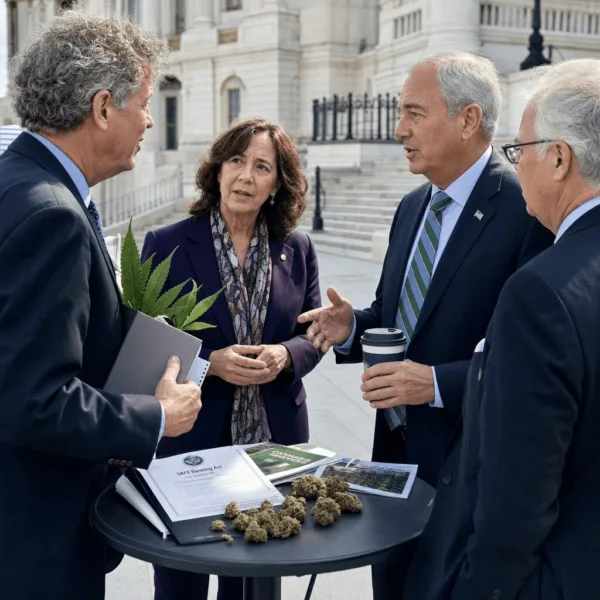
If you haven’t noticed, the status of cannabis for medical use has evolved faster than your favorite hybrid plant strains. Across the U.S., state laws are opening up, with over 35 states now recognizing medical cannabis, according to the Drug Policy Alliance. On the federal level, cannabinoids remain Schedule I, but pressure from patients, advocacy groups, and researchers is pushing boundaries. Social acceptance is booming, as estimates from the Pew Research Center indicate more than 90% of Americans favor medical cannabis access. Some states are also on the verge of major legalization changes, highlighting how evolving legislation is shaping access and policy across regions. Meanwhile, organizations like the American Cancer Society formally acknowledge calls for more clinical trials. The scene is shifting, as hospitals and cancer care clinics are being forced to reconsider policies, and insurers are watching carefully, as patient outcomes and demand soar.
Recent Advances & Headline-Worthy Cannabis Cancer Care Developments
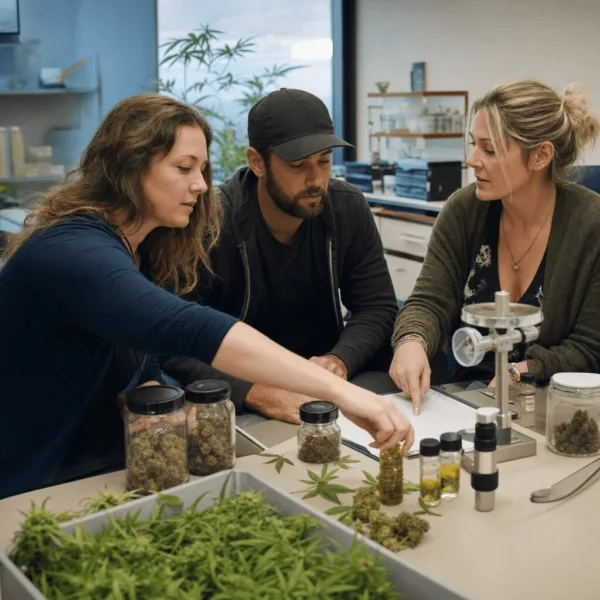
The past year has seen some game-changing developments in cannabis cancer care, spotlighted by high-profile conferences and breakthroughs. Most recently, at the 2024 American Society of Clinical Oncology (ASCO) Annual Meeting, researchers discussed new data on cannabinoids in managing cancer symptoms (see ASCO). In terms of regulatory changes, ongoing debates around THC limits in medical cannabis underline the complexity of policy development nationwide. Notably, a presentation highlighted real-world evidence showing cannabis helping cancer patients better tolerate chemotherapy with reduced nausea and pain levels. Additionally, the National Cancer Institute updated guidance noting cannabis as a complementary therapy in oncology care, although emphasizing it’s not yet a curative solution (NCI). In regulatory news, the state of Illinois expanded its medical list to formally include more cancer types and symptoms for cannabis prescriptions, according to state health reports. Meanwhile, research institutions in Canada and Israel, such as the Technion, Israel Institute of Technology, are leading clinical studies to better isolate the anti-tumor properties of different cannabinoids. Each of these steps, though incremental, further legitimizes and expands access to cannabis cancer care across North America and beyond.
Expert Analysis & the Big Picture: Cannabis Cancer Care Insights
Cannabis cancer care is gaining traction, but as every seasoned advocate knows, the devil is in the details (and the terpenes). The evidence for symptom relief, like less pain and nausea, is robust, but we’re still awaiting more large-scale, placebo-controlled clinical trials. Still, the progression can’t be ignored. As Dr. Donald Abrams, a renowned oncologist and cannabis researcher, recently told NORML, “For the vast majority of cancer patients seeking to ease suffering, cannabis is less toxic and more versatile than most available medications.” Industry and medical experts alike are demanding a more science-based, less stigmatized evaluation of cannabis. Recent shifts in medical cannabis licensing and patient advocacy further highlight industry evolution. Meanwhile, product quality and patient education remain essential as dispensaries and health institutions join hands. The recent updates from institutions like the National Cancer Institute signal slow but sure mainstream acceptance when therapies are backed by legitimate science.
Future Outlook: Cannabis Cancer Care on the Rise
Looking ahead, the cannabis cancer care landscape is set for further evolution. More research is underway, with grant funding and legislative momentum pointing to a future where medical cannabis is not only accepted but fully integrated into oncology care (see NCI News). The cultural taboo is lifting, education efforts are blossoming, and advocates are finding common cause with healthcare professionals. Most importantly, cancer patients are finally being heard—and their experiences are shaping how the cannabis industry and medical community join forces. With legal frameworks expanding, science pushing forward, and public opinion soaring, cannabis cancer care is poised to move from the margins to the mainstream, offering hope and new possibilities for those who need it most.
Originally reported by: oncodaily.com