


Texas hemp shop regulations: What Fort Worth shops face now
Whether you’re a longtime advocate or just getting acquainted with the Texas hemp scene, it’s impossible to ignore how much is at stake right now. With Texas hemp shop regulations facing intense scrutiny, shops in Fort Worth are feeling the squeeze as state and federal rules evolve. These changes directly affect local businesses, their customers, and the entire cannabis community. In this article, we’ll break down what’s happening, the latest legal updates, and what it means for the future of Texas hemp.
Background: Texas Hemp Shop Regulations and Their Evolution
Texas hemp shop regulations trace their roots back to the 2018 Farm Bill, which federally legalized hemp (USDA Farm Bill summary), and kickstarted a green rush across the nation. The Lone Star State jumped on board in 2019, enacting the Texas Hemp Program to oversee cultivation, retail, and testing. Yet, the state’s traditionally conservative approach left many gray areas, especially around products like delta-8 THC, edibles, and smokable hemp. This regulatory tug-of-war has created confusion for shop owners and customers alike, with ongoing court battles, emergency rules, and city-by-city enforcement differences. Concerns about marijuana odor complaints have led some small Texas towns to take matters into their own hands, reflecting a broader trend seen in other states as small towns take charge of nuisance issues. Texas hemp shop regulations don’t just impact business operations, they influence job security, patient access, and the image of cannabis in the state. With Texas lawmakers eyeing further restrictions and federal agencies raising concerns, the legal environment is a moving target for Fort Worth retailers.
Key Developments: New Pressures and Legal Moves
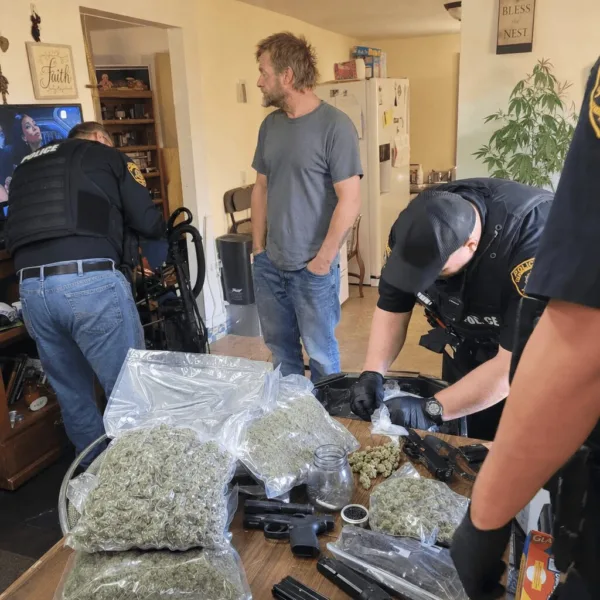
Recently, Fort Worth’s hemp shops landed squarely in the crosshairs of both federal and state authorities. In April 2026, according to Fort Worth Report, enforcement efforts ramped up. Tarrant County law enforcement stepped up spot-checks, focusing on products suspected of exceeding state THC limits. Some stores, like the well-known Grassy Knoll and Puffendorf’s, reported police visits, increased product seizures, and warnings over delta-8 products. These shops have faced citations and even threats of forced closure, making day-to-day operations a legal minefield. On top of all this, state lawmakers introduced new bills to tighten product definitions, restrict vape and edible sales, and increase business licensing requirements—moves similar to those seen as lawmakers elsewhere debate the regulation of THC edibles, such as in South Carolina THC edibles. Texas hemp shop regulations are now not just a guideline, but a high-stakes issue influencing every transaction. The uncertain regulatory environment has prompted many local business owners to unite, forming advocacy groups and lobbying efforts as they fight for survival under mounting pressure.
Expert Analysis, Community Insight & Pro-Cannabis Counterpoints
What does all this mean in the bigger cannabis picture? First, Texas hemp shop regulations are shaping not just the state market, but national perceptions of cannabis legality. As a seasoned cannabis advocate, I see the current crackdown as both a challenge and a proving ground. While aggressive enforcement could shutter small operators, it also shines a light on the urgent need for sensible, science-backed legislation. According to Leafly analysis, “Texas’ retail hemp market has boomed due to public demand. But lawmakers need to recognize that a safe, legal regulated market best protects consumers.” That view echoes what I’ve heard on the ground: customers want access to clean, tested products, not a return to prohibition-era fear tactics. Meanwhile, organizations like the Texas chapter of NORML continue to defend responsible hemp use, highlighting the economic and social benefits. In other regions, the emergence of unlicensed vending machines and smoke shop busts, like the illegal marijuana vending machines crackdown in New Jersey, illustrate the unintended consequences of hardline enforcement. Even regulators admit that criminalizing popular hemp products won’t erase demand, it risks pushing sales into unregulated black markets, increasing risks to public health. Smart reform could balance consumer safety with Texas’ reputation for independent entrepreneurship and personal freedom.
Future Outlook: Texas Hemp Shop Regulations and the Path Forward
Despite today’s uncertainty, there’s reason for optimism in Texas hemp. Each legal challenge makes it clearer: hemp and cannabis are becoming integral to state culture, commerce, and medicine. As Texas hemp shop regulations evolve, market observers expect more collaboration between shop owners, lawmakers, and industry advocates. States with successful legal cannabis programs (>such as Colorado and Illinois<) are producing useful blueprints for responsible reform (Cannabis Business News). If Texas embraces fair, consistent regulation—grounded in science and consumer protection—the future could see thriving, compliant Fort Worth hemp shops serving a rapidly growing customer base. Whether you’re a local advocate, business owner, or curious consumer, there’s a place for everyone in the next chapter of Texas cannabis. Stay informed, stay engaged, and remember: change takes root when we push for progress—one storefront at a time.
Originally reported by: fortworthreport.org

1 Comment
Pingback: CBD gummies anxiety relief: Your Ultimate Relief Guide