


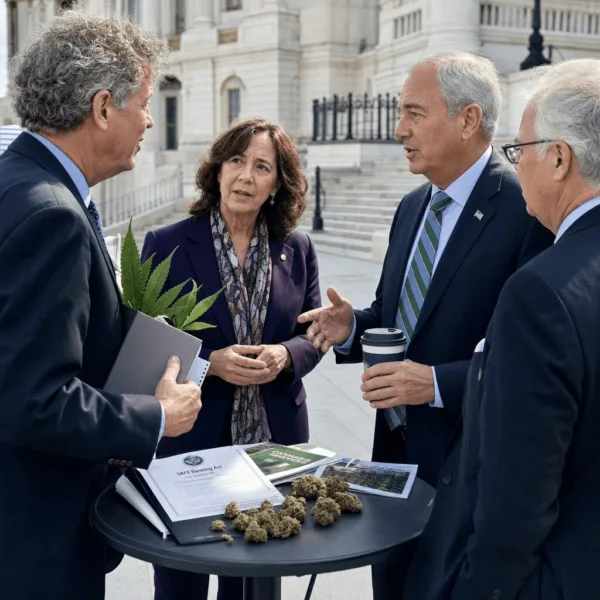



Marijuana Rescheduling News: Major Reclassification Breakthrough
Right now, there’s a buzz across the U.S. cannabis scene—and it’s not just in the dispensaries. In the latest marijuana rescheduling news, federal action is shaking up decades-old drug policy, potentially opening up new markets, scientific research, and regulatory frameworks. As conversations heat up in Congress and the headlines, both the industry and the wider public are watching closely. This article breaks down why this moment matters to anyone interested in marijuana rescheduling news, what’s really changing, and how these shifts might transform the cannabis conversation for good.
Understanding the Policy Shift: Background & Context
To grasp the full impact of current marijuana rescheduling news, it’s important to look at how cannabis was categorized for decades. Since the 1970s, marijuana has lived in Schedule I, alongside heroin and LSD, reserved for substances considered to have high potential for abuse and zero medical value. That classification kept research in a chokehold and complicated state legalization efforts, despite mounting evidence of therapeutic benefits and growing public support. Most recently, a strong push from lawmakers and advocacy groups, fuelled by shifting public attitudes and economic momentum, forced the federal government to consider a change. You’ll find NORML and Leafly reporting on how the momentum has accelerated since late 2023. Regulatory frameworks are evolving, and industry leaders are prepping for an era where weed might finally lose its taboo legal status. A similar state-level shift is underway in North Carolina, as detailed in recent expert community insights and legalization efforts, underscoring the changing legal and cultural landscape.
Key Developments & Issues, From Reefer Madness to Regulatory Reform
The biggest headline in recent marijuana rescheduling news is the U.S. Department of Justice’s announcement to reclassify marijuana from Schedule I to Schedule III. This pivot, highlighted in The New York Times, recognizes cannabis’s medical value and lowers barriers for scientific studies. The decision follows a comprehensive review by the Department of Health and Human Services (HHS), responding to years of calls from advocacy groups and state officials. On April 26, 2026, federal authorities confirmed the formal beginning of the rescheduling process, marking a cultural and political milestone. Industry observers point out that companies engaged in legal cannabis trade may see relief from burdensome tax restrictions under IRS Section 280E. In the background, state-level legalization push continues to grow, with over 20 states legalizing recreational use and more on deck. The local impact can also be seen in states like Pennsylvania, as some believe a statewide cannabis renaissance is possible, reflecting broader trends in acceptance and reform. Even legacy anti-marijuana rhetoric, often referred to as ‘reefer madness’, is facing tough scrutiny from scientific panels and the mainstream press. The rescheduling debate isn’t just about legality, it’s about opening research paths, normalizing usage, and recognizing marijuana as a legitimate part of modern life. The evolving regulatory scene is setting the stage for unprecedented growth and legitimacy.
Expert Analysis & Industry Insights
So, what does this shift in marijuana rescheduling news mean for the average consumer or the industry entrepreneur? According to industry veteran Amanda Reiman, PhD, of Filter Magazine, “This rescheduling is a historic move, but it’s not the end game. We need to ensure equity, access, and real legal protection for consumers and entrepreneurs.” Analysts point out that Schedule III doesn’t yet legalize recreational marijuana federally, and states still hold much power over implementation. For example, the evolving laws and enforcement in the American South, such as those cited in Tennessee’s recent regulatory changes, show how this debate plays out on the ground. As noted in a recent Marijuana Moment analysis, the reclassification will drive innovation, improve business banking, and foster interstate commerce. Additionally, medical researchers rejoice, as more funding and federally approved studies are on the horizon. This transforms cannabis from an under-the-table risk to a serious, research-supported industry. As industry experts underscore, keeping up with real-time marijuana rescheduling news matters for everyone, from patients to policymakers. If you’re deep in the scene, you know these federal actions are just the start, and there’s still a long way to go for full federal legalization and criminal justice reform.
Looking Forward: The Future of Marijuana Policy & Public Perception
There’s real excitement across cannabis communities thanks to recent marijuana rescheduling news. With regulatory reform becoming reality, the pathway is opening for better research, new business opportunities, and updated social norms. Industry experts expect more states to embrace legalization, while the stigma that once fueled the war on drugs keeps fading. According to an analysis by Brookings Institution, federal rescheduling may encourage Congress to look at even broader reforms over the next few years. For now, this is more than just bureaucracy—it’s the dawn of a new era. Cannabis isn’t just mainstream; it’s moving toward full acceptance, guided by data, common sense, and real-world results. Stay tuned for more marijuana rescheduling news as we watch history being rewritten and a new market unfold with each passing headline.
Originally reported by: spokesman.com


1 Comment
Pingback: Illegal Smoke Shops Crackdown: OCM Boosts Legal Market