





NC marijuana legalization impact: Experts Reveal Key Changes
If you’ve been following North Carolina news lately, the buzz around the NC marijuana legalization impact is impossible to ignore. With lawmakers inching closer to greenlighting recreational cannabis, local communities are already weighing what comes next. This story goes beyond headlines, diving deep into economic prospects, legal shakeups, and local voices laying out how these changes could transform the Tar Heel State. Whether you’re an advocate, a skeptic, or just cannabis-curious, understanding the NC marijuana legalization impact right now will help you stay ahead of a pivotal public shift.
Legal and Social Landscape: Understanding the NC Marijuana Legalization Impact
North Carolina stands at a historic crossroads, where shifting attitudes and national cannabis trends are pushing local lawmakers toward major reforms. More than 21 states now allow recreational marijuana, according to NORML, and even more permit medical use. The region is watching neighboring states very closely, as the ongoing marijuana rescheduling policy changes in Tennessee reveal how southern states grapple with reform momentum and its implications. Nonetheless, North Carolina’s regulatory scene has traditionally leaned conservative, leaving advocates and entrepreneurs hustling to catch up as nearby states cash in on new markets. Socially, public opinion in NC has warmed considerably, reflecting a nationwide move toward acceptance. A recent Pew Research Center poll found that nearly 9 in 10 Americans favor some form of legalization. Industry analysts say the focus on criminal justice reform, potential tax revenue, and job creation, plus mounting pressure from neighboring states, means the NC marijuana legalization impact could ripple far and wide, from rural communities to city centers.
Recent Developments & Key Issues: What’s Happening in North Carolina
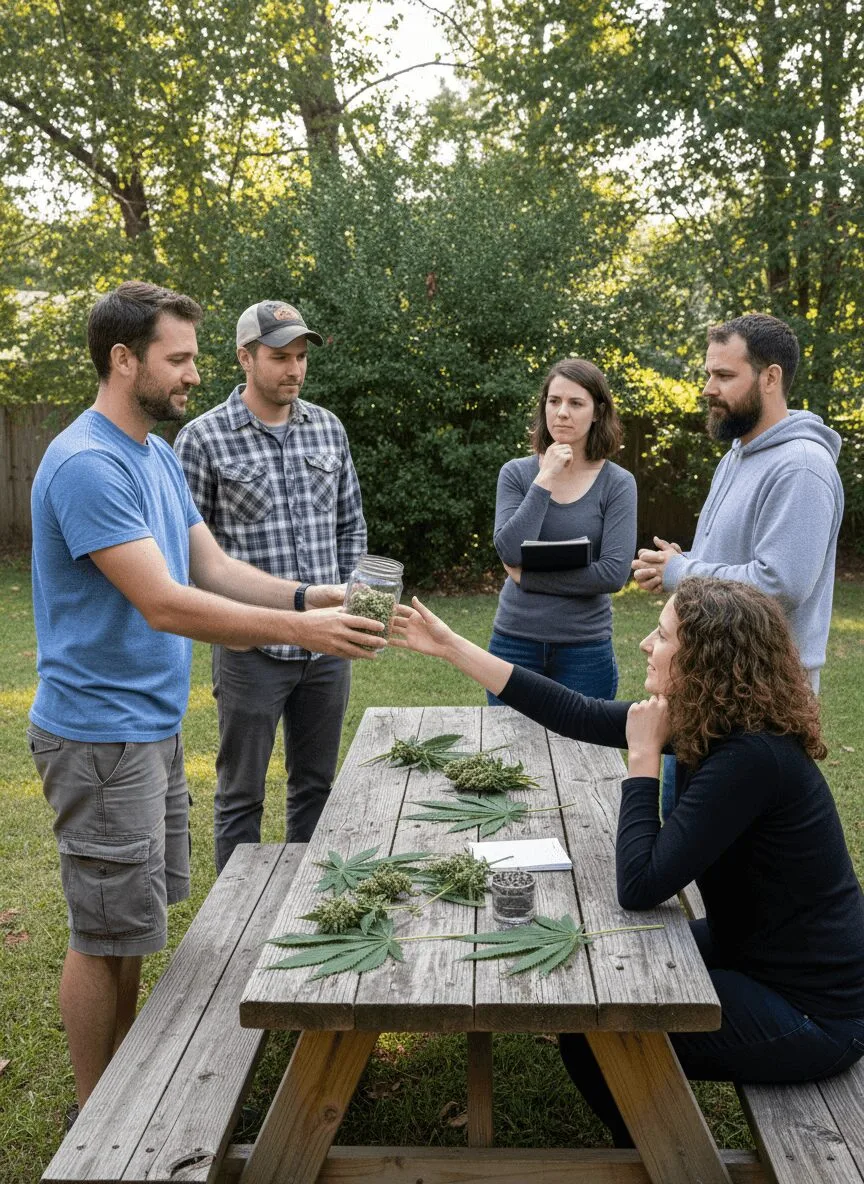
The push for cannabis legalization in North Carolina got a major boost in April 2026, when local experts, law enforcement, and healthcare providers gathered at a public forum in Dare County to hash out the details. According to Outer Banks Voice, the conversation covered economic gains, regulatory questions, and social challenges. In many parts of the country, changing arrest data has demonstrated how new laws influence community safety and policing—just as described in recent headlines analyzing arrest trends amid evolving cannabis laws. Law enforcement officials expressed concerns about impaired driving, citing increased calls in states like Colorado after legalization, as reported by the Denver Post. Meanwhile, business leaders pointed to booming cannabis sales in newly legal states, referencing tax revenue numbers compiled by MJBizDaily, some topping the $1 billion mark. On the legal front, legislation introduced earlier this year would create a framework for state-licensed dispensaries, require seed-to-sale tracking, and implement stringent age restrictions. Healthcare providers emphasized education and prevention, especially among younger folks. The forum showcased just how multi-dimensional the NC marijuana legalization impact will be, with economics, law, health, and community safety all vying for attention at the decision-making table.
Expert Analysis & Cannabis Community Perspective
Let’s keep it real: North Carolina’s debate isn’t just about plants, paperwork, and protocol, it’s about people. Industry advocates and social justice organizations, like those seen in Marijuana Moment, highlight that legalization can create local jobs and reduce pressure on the legal system. For other states’ experience, consider how progressive changes in Pennsylvania sparked broader discussions on economic revitalization and social reform. Charlotte-based cannabis consultant Jasmine Reyes notes, “When states thoughtfully legalize, we see job growth, regulated markets, and safer products, prohibition just creates confusion, not solutions” (Leafly Politics). At the same time, cautious regulators stress the need for measured rollout: robust testing standards, quality control, and clear tracking are must-haves for consumer safety. According to a comprehensive analysis from Drug Policy Alliance, states that took the slow-but-steady approach, like Illinois, managed fewer hiccups versus those that jumped in fast. Importantly, race equity remains on the agenda, as years of cannabis arrests disproportionately affected Black and Latino residents, and most proposals include expungement of old convictions and opportunities for minority-owned businesses. The NC marijuana legalization impact, then, isn’t just about commerce, it’s about righting past wrongs and building a smarter, fairer future.
What’s Next? Future Outlook for the NC Marijuana Legalization Impact
The road ahead will be anything but dull. As NC lawmakers debate specifics, public forums and expert panels are making sure no stone goes unturned. If the legislative climate keeps warming, North Carolina could greenlight legal cannabis within the next year or two—triggering waves of investment, job creation, and social reform. According to cannabis market researchers at New Frontier Data, Southern states like NC are poised for massive growth, drawing interest from major players and local entrepreneurs alike. Most importantly, the NC marijuana legalization impact will shape how communities relate to cannabis for generations. From embracing science-based regulations to destigmatizing safe use, North Carolina is riding the national trend toward thoughtful, responsible legalization. So, no matter your vibe on the issue, expect the story—and the conversation—to keep evolving in real time.
Originally reported by: outerbanksvoice.com



1 Comment
Pingback: Marijuana Rescheduling News: Major Reclassification Breakthrough