


Plymouth underage cannabis ban: City’s Bold Move Explained
All eyes are on Plymouth after news broke about a bold move to restrict underage cannabis use. With the Plymouth underage cannabis ban now in the public spotlight, community members, advocates, and skeptics alike are weighing the real-world stakes. It’s not just another local ordinance—this ban taps into national debates about teen substance use, state cannabis laws, and how cities respond to cultural change. We’ll unpack the roots of the decision, clarify what’s happening right now, and look at how this echoes in the broader cannabis landscape.
Roots of the Plymouth Underage Cannabis Ban, Background & Context
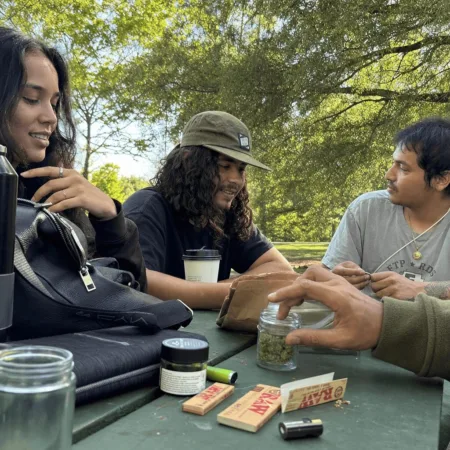
Let’s set the stage. Plymouth’s move didn’t occur in a vacuum as cannabis legalization is reshaping conversations nationwide. Over 20 states now have some form of legal recreational cannabis, according to NORML, but all strictly prohibit sale and possession for minors. Cities like Plymouth find themselves at the frontline, grappling with the realities of increased product accessibility, social attitudes shifting, and confusion about what’s legal and safe for teens, especially as vaping devices and cannabis-derived products flood the market. CDC research shows rising concern over youth experimentation despite age limits. So, local governments feel pressure both from health advocates urging stricter controls and cannabis supporters promoting responsible adult use. This tension is not limited to the Midwest, as other states are navigating their own challenges, such as Missouri’s recent industry shifts sparked by regulatory changes discussed here. The Plymouth underage cannabis ban emerges from this push-and-pull: upholding legal clarity and protecting youth, without undermining broader legalization progress.
Key Developments: What’s Happening in Plymouth?
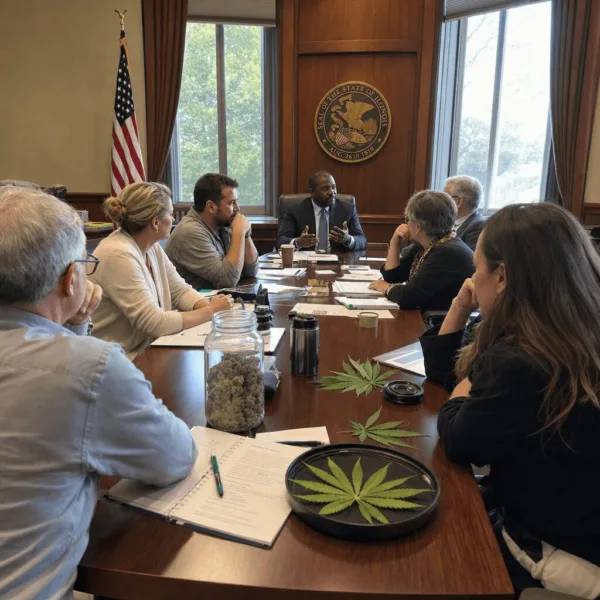
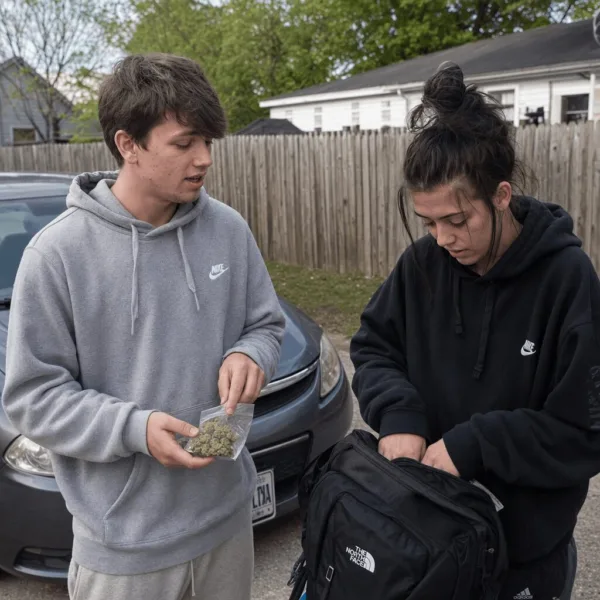
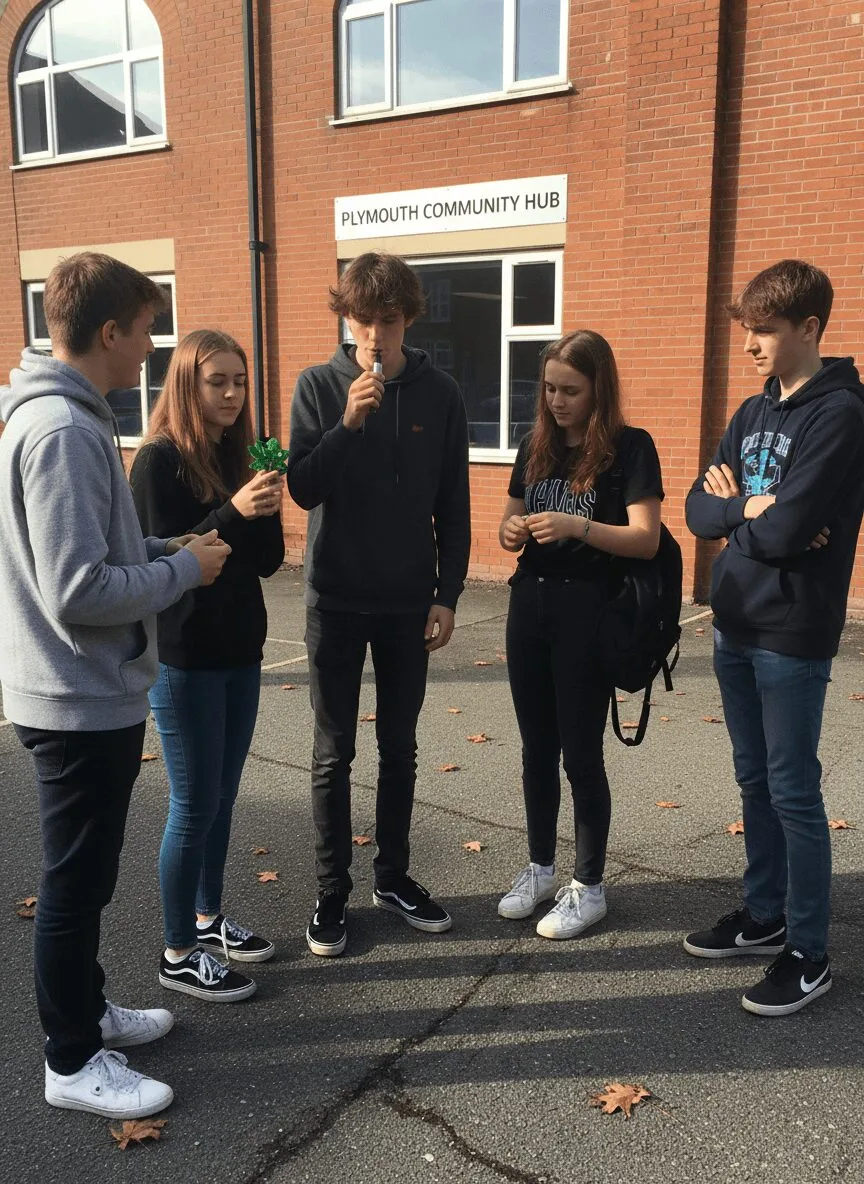
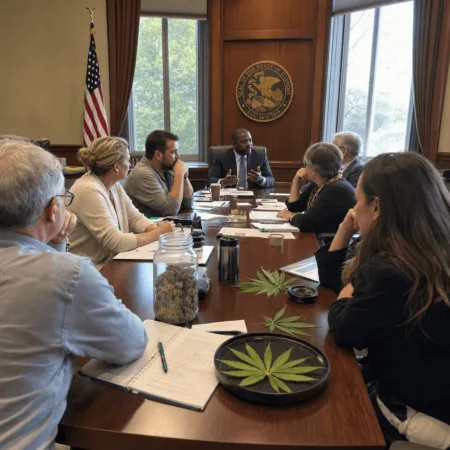
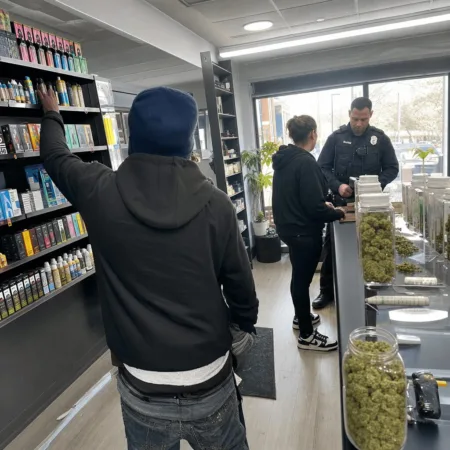
This spring, the city of Plymouth in Wisconsin made headlines when it announced new measures to crack down on under-18 possession and use of “nicotine and cannabis devices,” as reported by WHBL. The proposed Plymouth underage cannabis ban explicitly targets minors under 18, making it illegal for them to possess or use any vaping devices, regardless of whether they contain nicotine or THC. The city council unanimously passed the ordinance in April 2026, after reports by school officials and local law enforcement pointed to increased sightings of vape pens and cannabis paraphernalia near schools and parks. For an example of how regulatory and enforcement changes can affect related markets, New Mexico’s evolving cannabis taxation has been pivotal, and more on that can be found here. The law doesn’t criminalize teens but introduces citations and educational interventions for violators, with the stated aim of diverting kids from future legal trouble. Plymouth PD and local schools have teamed up to monitor compliance, and parents are getting direct communications about the risks of underage cannabis use and the new city rules. Notably, adult cannabis use remains untouched by this ordinance, signaling a targeted, not sweeping, policy shift.
Expert Analysis & Cannabis Advocate Perspective
Here’s where industry experience adds flavor. While the Plymouth underage cannabis ban tightens rules for teens, it doesn’t sweep cannabis back under prohibition. This strikes a familiar, nuanced path—cities focusing on harm reduction, not punitive crackdowns. Industry veterans point to studies—like those from Leafly—showing that well-regulated cannabis markets don’t necessarily fuel rising teen use; in fact, some regulated states see youth rates drop. There is evidence that “smart cannabis regulation should always keep our kids in mind, education and honest conversations are as crucial as enforcement,” says Ben Courtwright, a senior policy analyst at Marijuana Policy Project (MPP). Plymouth’s approach lands halfway between prohibition and laissez-faire, mirroring a broader trend toward tailored, community-led solutions. Alongside regulation, health and wellness impacts come into play, with men’s health choices increasingly influenced by new research on fertility and cannabis, as discussed here. As seasoned advocates know, the move acknowledges genuine youth risks without resorting to the failed tactics of the war on drugs. Instead, it’s a reminder that legalization and responsible youth policy aren’t mutually exclusive, they’re inevitably intertwined.
Looking Ahead: The Future of Policy and the Cannabis Community in Plymouth
The Plymouth underage cannabis ban is likely just the opening act in an evolving local and national story. As regulatory models mature and research deepens, more communities might follow Plymouth’s playbook: targeted policies that navigate between public health, youth protection, and the normalization of adult cannabis use. According to a recent analysis by New Frontier Data, the cannabis industry will keep growing, with increasing focus on education, youth prevention, and evidence-based rules. So, while change can feel disruptive, it often means progress—fueling smarter discussions and more nuanced decisions. The Plymouth underage cannabis ban invites all stakeholders to the table: parents, educators, advocates, and industry veterans. Together, there’s every reason to be optimistic that cannabis culture, and its rules, will grow up alongside our communities.
Originally reported by: whbl.com
1 Comment
Pingback: Cannabis and Commercial Real Estate: Culture Collides in CRE