

Virginia marijuana legalization impact: What it means locally
The Virginia marijuana legalization impact is drawing headlines and public attention, not just for cannabis enthusiasts but for everyday folks across the state. With evolving laws, changing social norms, and shifting market forces, understanding what’s really happening in towns like Danville is crucial. This guide breaks down the fresh changes, key backstories, expert takes, and what it all means for Virginia’s communities moving forward.
The Regulatory Roots: Background & Context on Virginia Marijuana Legalization Impact
Let’s rewind to the start, Virginia became the first Southern state to legalize adult-use marijuana back in 2021, a landmark move covered by sources like The New York Times. The General Assembly approved legal possession and limited home cultivation, responding to both social justice concerns and shifting consumer opinions. For those curious about evolving legislation in different regions, it’s helpful to view an overview of marijuana laws by state. As the state navigates the complexities of rolling out a regulated retail market, localities like Danville are grappling with zoning, equity in licensing, and potential tax revenue. This patchwork approach creates dozens of ‘mini-markets’, each with unique rules, common in states testing new cannabis waters. According to MJBizDaily, hurdles remain, retail sales are on hold pending future legislative actions, and local opt-out provisions mean not every Virginia town welcomes dispensaries. Social justice components, such as expungement for prior convictions, are included, setting Virginia apart from many older markets.
Latest Developments & Local Issues: The Real Virginia Marijuana Legalization Impact
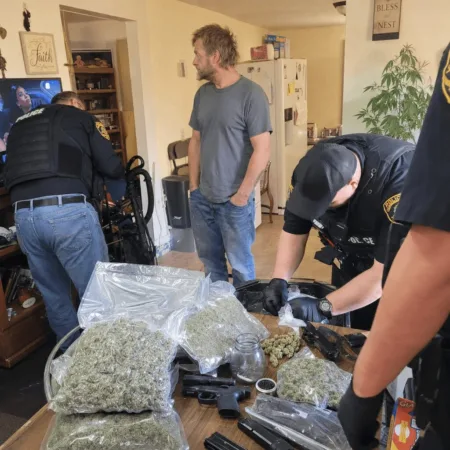
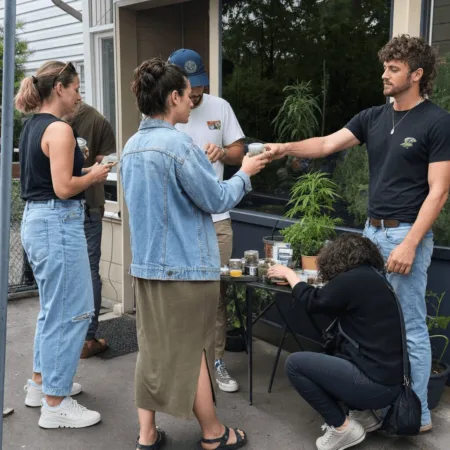
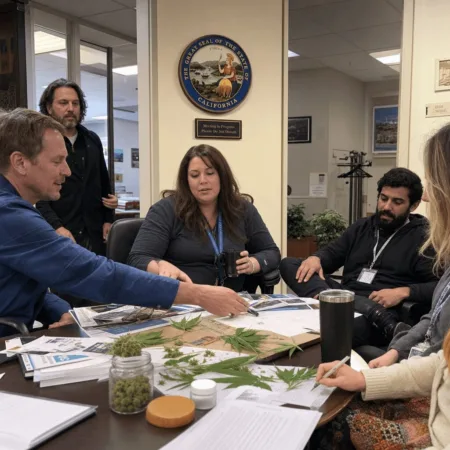
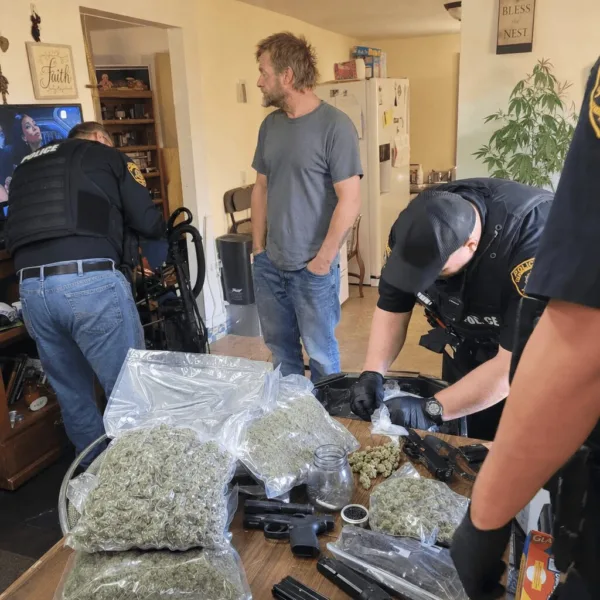
On the ground in Danville and Pittsylvania County, locals are split over what legalization really means for daily life, as recently reported by the Chatham Star-Tribune. City officials note that while adult possession is legal, commercial sales remain in limbo, as current state laws prohibit active recreational storefronts until rules are finalized. For those unsure about entering dispensaries for the first time—no matter the state—there’s an excellent dispensary guide for beginners. Law enforcement continues to navigate the transition, balancing new freedoms with concerns about public consumption and youth access. Meanwhile, Danville businesses, from downtown coffee shops to head shops, keep a watchful eye on evolving licensing opportunities. The local government’s cannabis task force cited concerns regarding zoning and proximity to schools, echoing issues faced by cities elsewhere, as found in studies from the Urban Institute. Just this month, a public hearing drew over 100 residents, with some advocating for increased education on responsible use, while others called for strict enforcement of proposed buffer zones. According to recent legal briefs, Pittsylvania County is considering joining the list of municipalities that opt out of hosting retail cannabis businesses, at least temporarily, until there’s more clarity from Richmond on taxes and oversight.
Expert Analysis & Cannabis Industry Insights: Virginia Marijuana Legalization Impact
Here’s how I see it, Virginia stands at a crossroads that blends regulatory caution with a real hunger for progress. As cannabis journalist Amanda Chicago Lewis recently penned in Leafly: “Virginia’s model could become the blueprint for equitable cannabis in the South, if lawmakers can overcome gridlock and get retail sales moving.” For deeper insight into the legal side, preservation of evidence continues to play a crucial role in cannabis cases, as discussed in the context of how marijuana evidence preservation impacts fair trials. It’s not just about more people lighting up, but about redirecting law enforcement resources, generating tax revenue to invest in schools or infrastructure, and setting an example for nearby conservative states.
- State data shows that marijuana-related arrests have dropped significantly since 2021, reflecting a decrease in criminal justice burdens.
- Both supporters and critics agree on the need for robust consumer education and responsible use campaigns.
- Economic opportunities hinge on whether local governments embrace or resist storefronts, mimicking trends seen in other newly legalized states, as Cannabis Business Times reports.
The bottom line, while some fear the unknowns, a well-regulated industry can deliver more benefits than headaches for local communities. Equity, public safety, and transparency are the keys to making legalization work for everyone.
Outlook & Conclusion: Virginia Marijuana Legalization Impact in the Years Ahead
Despite challenges, I’m optimistic. Virginia is methodically building a system that could outshine those in states that rushed in. Communities that lean in—offering education, fair access, and real dialogue—will benefit most from the Virginia marijuana legalization impact. Social stigma is already fading, and business is quietly gearing up for a future where regulated cannabis is as routine as craft beer. The pace might frustrate some, but as noted in a recent Forbes analysis, Virginia’s deliberate approach offers a model for meaningful reform rooted in community realities. Stay tuned—this is only the first act of the local cannabis revolution.
Originally reported by: chathamstartribune.com