



New Jersey hemp THC ban: What It Means for Businesses & Consumers
The New Jersey hemp THC ban is making big waves this summer among cannabis-loving locals, entrepreneurs, and everyday shoppers. As THC-rich hemp products fly off convenience store shelves almost everywhere, New Jersey’s move puts the spotlight on legal boundaries, leaving both businesses and consumers scrambling for answers. This latest regulatory curveball—aimed at hemp-derived cannabinoids—has huge implications for the entire industry. If you touch cannabis, smoke hemp, or sell edibles, now’s the time to get savvy about what’s changing, who’s at risk, and what it means for your good vibes or your livelihood.
Understanding the Regulatory Backdrop, Why New Jersey Is Taking Action
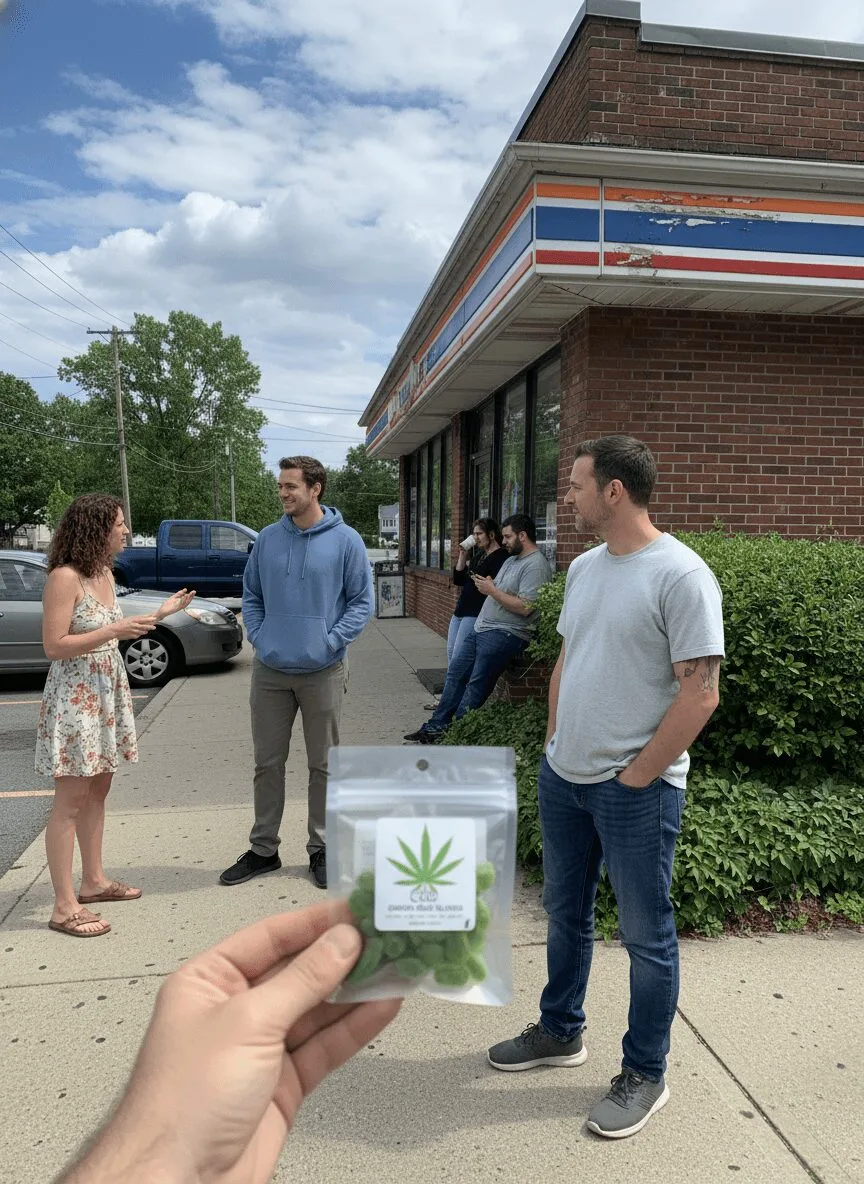
In the past few years, hemp-derived THC products exploded onto the U.S. retail scene, fueled by legal loopholes in the federal 2018 Farm Bill, which legalized hemp nationwide—provided products contain less than 0.3% Delta-9 THC by dry weight. However, manufacturers quickly began producing gummies, vapes, and hemp “pre-rolls” with psychoactive cannabinoids like Delta-8, HHC, and THCP, all synthesized from legal hemp. This created a legal gray area that allowed unregulated products to fill shelves at gas stations and bodegas, prompting concern among state regulators, parent groups, and licensed cannabis operators. As highlighted by NCSL research, many states have responded by tightening local rules. New Jersey’s Department of Health and Cannabis Regulatory Commission (CRC) has emphasized public safety and consumer clarity as top priorities, reflecting enforcement trends seen in nearby states. It’s worth noting that as states try to bridge the gap between hemp and marijuana laws, misconceptions often arise—this topic is further explored in the eye-opening truths that bridge the big divide between marijuana and hemp as these regulatory changes continue to unfold.
New Jersey Cracks Down, Key Developments & Who’s Affected
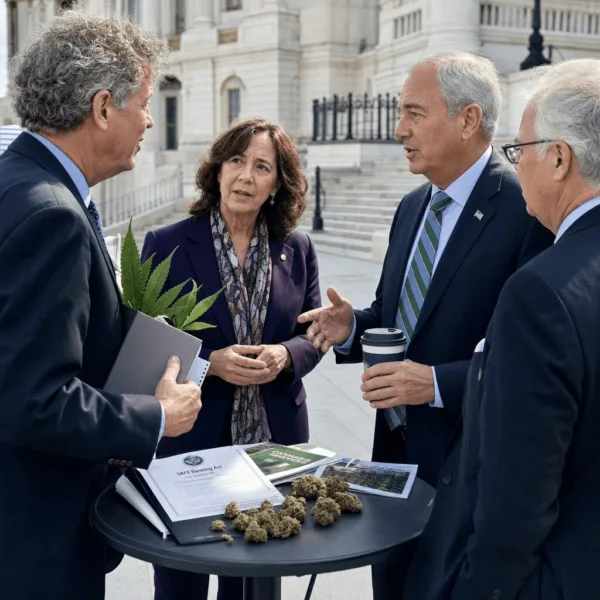
Here’s where things really get interesting. According to a recent report by MJBizDaily, New Jersey has now banned the sale of all hemp-derived intoxicating THC products—including Delta-8, Delta-10, and THCP—outside the state’s regulated cannabis dispensaries. This emergency rule went into effect in early June 2024, following demands from licensed cannabis retailers for fairer practices and safer access. Any store, smoke shop, or gas station offering psychoactive hemp now faces enforcement risk. Companies such as CBD Kratom, Hemped NYC, and various local chains have reportedly started removing non-compliant products. Local health inspectors and law enforcement officers are now empowered to shut down illicit sales and seize products immediately. The CRC also clarified that the rule includes all synthetic or chemically converted THC variants still unregulated at the federal level. The situation most affects small businesses who relied on “legal weed” alternatives, but also signals a major shift to multi-state hemp brands selling online or wholesale. The New Jersey Cannabis Regulatory Commission’s official guidance spells out multiple warnings and urges consumers to avoid untested or mislabeled goods. For those tracking how state lines impact what you can buy, the complex legal geography is well visualized in this comprehensive states marijuana legal map so consumers and retailers alike know where they stand.
Expert Take on the New Jersey Hemp THC Ban, What This Means for the Industry—and the Culture
As someone who’s watched hemp and cannabis morph from taboo status to trending products, it’s clear that New Jersey’s hemp THC ban is part of the adjustment process of a fast-evolving market. Regulators reference public health risks, but industry leaders recognize this move as a step towards a maturing cannabis environment. Dr. David Nathan, founder of Doctors for Cannabis Regulation, states, “We need clear, consistent rules so consumers know what they’re getting and businesses know how to play fair.” Restricting hemp-derived THC to licensed dispensaries could foster long-term market stability and consumer trust—licensed cannabis shops can now prioritize safety protocols, thorough product testing, and transparency. A recent in-depth editorial from Leafly points to a national trend of states preferring intoxicants in regulated markets. Nonetheless, these changes have a downside, particularly for small shop owners who helped make hemp and cannabis part of everyday culture. Major advocacy groups like NORML continue to argue for balanced policies that protect consumers but don’t drive innovation underground. To further explore the shifting narratives around cannabis use, the discussion on cannabis addiction myths and realities provides much-needed clarity for both industry insiders and consumers. Expert quote: “Enforcement alone isn’t the answer. Thoughtful regulation, focused on science and transparency, will create the best future for cannabis consumers and business owners alike.” — NORML spokesperson.
Looking Ahead: Hope in Uncharted Territory for Cannabis Fans and Entrepreneurs
Despite the short-term headaches, the New Jersey hemp THC ban signals a bigger trend—one full of optimism. As more states refine cannabis rules, public acceptance, investment, and professional standards are all trending up. According to recent Pew Research, over 80% of Americans now think cannabis should be legal in some form. New Jersey’s tough new boundaries could even catalyze smarter adult-use markets, stronger testing standards, and a more sustainable legal industry. The lesson for everyone—from smoke shop regulars to industry pros—is simple: change is here, but so is a new era of opportunity. The community’s resilient, and as laws keep evolving, the cannabis culture will adapt, innovate, and thrive. Stay curious, stay passionate, and keep rolling with the punches—because the future’s still looking green.
Originally reported by: mjbizdaily.com
1 Comment
Pingback: Trump psychedelics executive order: Shocking political move!