


Medical Marijuana Petition Surges Past 100,000 Signatures
The medical marijuana petition movement is hotter than ever, and for good reason. Public demand for legalization is spiking, fueled by changing attitudes, health needs, and a growing push for sensible cannabis laws. With the petition just smashing past 100,000 signatures, this grassroots drive is making headlines—forcing lawmakers and the public to pay attention. Let’s dive into why the medical marijuana petition matters now more than ever, what’s been happening on the ground, and what it means for the future of weed advocacy.
The Legal Landscape: Setting the Stage for the Medical Marijuana Petition
To understand the current traction behind the medical marijuana petition, you’ve got to know the legal maze advocates are navigating. Most states have shifted toward some form of medical marijuana legalization, recognizing therapeutic benefits for chronic pain, PTSD, epilepsy, and more. Still, a few state holdouts exist where progress is slower despite swelling public support. According to Marijuana Policy Project, legislative barriers and decades-old stigma remain key obstacles. Yet, data from NORML consistently show that over 70% of Americans now back legal medical access. In states like Idaho, where the latest petition push is breaking news, the context is unique, cannabis remains illegal for all purposes, making signature drives like this one a rare vehicle for reform. Social pressure, persistent advocates, and rising awareness are pushing the debate towards a tipping point. For more on how residents are taking action for health rights in Idaho, see this overview of Idaho’s movement. Industry analysts, such as those at New Frontier Data, report that this growing acceptance is mirrored by increasing investments and rapid regulatory shifts nationwide.
Key Developments: Over 100,000 Strong and Growing
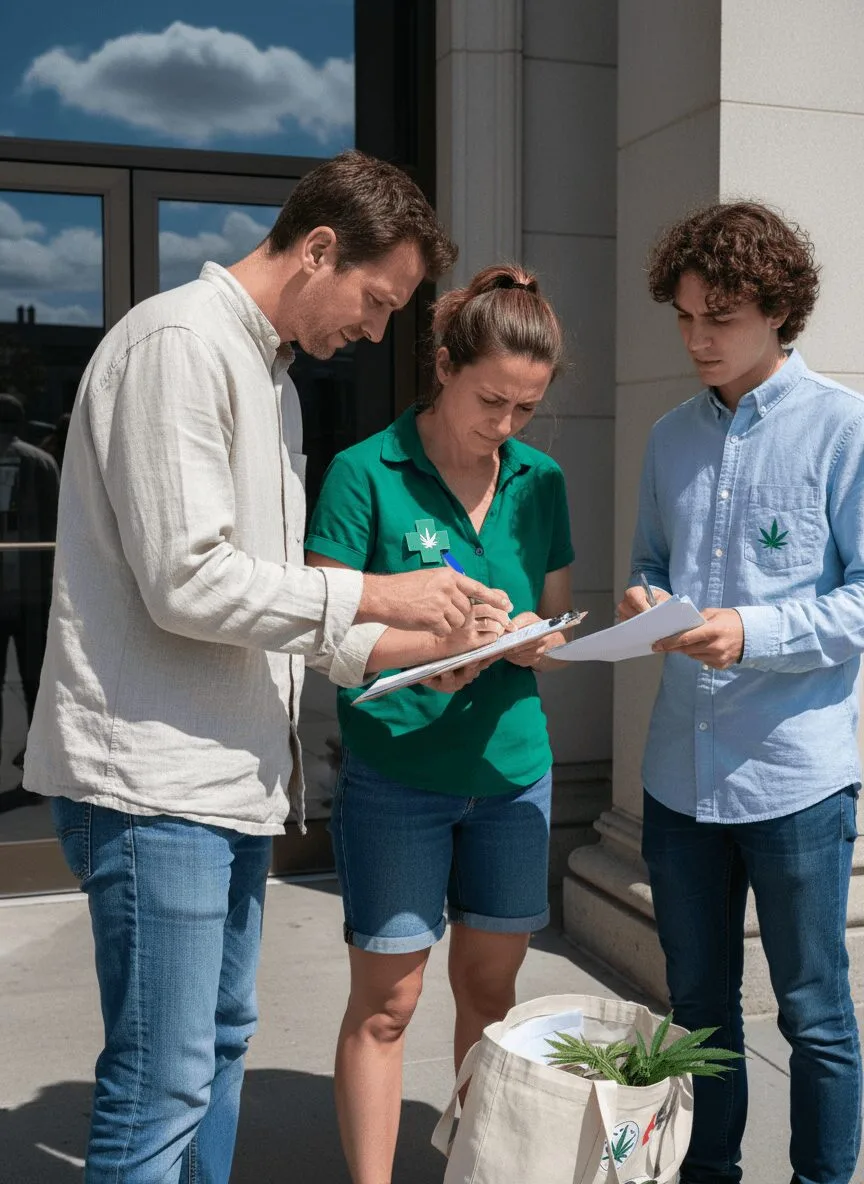
The medical marijuana petition just hit a massive milestone, as reported in a recent KTVB news story. More than 100,000 Idahoans have signed the ballot initiative petition, far surpassing what previous local reform efforts have achieved. This new wave is spearheaded by dedicated volunteers and organizations like Kind Idaho. The proposed initiative aims to legalize medical cannabis for qualifying conditions under a regulated program, similar to neighboring states that have faced their own delays and challenges in launching legal markets.
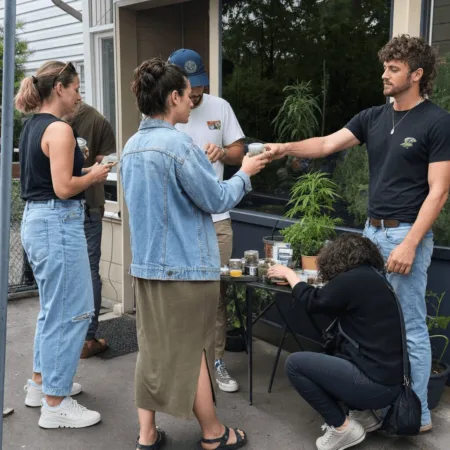
The timeline is tight, organizers must gather a total of 63,000 valid signatures by spring to qualify for the November ballot. With over 100,000 already in hand, there’s a buffer for expected disqualifications or duplicate entries. The petition ride has gained steam thanks to local events, online activism, and support from patient advocacy groups. According to Marijuana Moment, Idaho’s status as the only Western state without a regulated cannabis market puts this effort under a national spotlight. On-the-ground reports and voter testimonials reflect both hope and frustration—many Idaho families still face the threat of criminal penalties for possessing life-changing medicine.
Expert Analysis: What This Means for Cannabis—and for Idaho
Blowing past 100,000 signatures on a medical marijuana petition in a traditionally conservative state is no small feat. Cannabis veterans know this signals changing tides in public health policy, voter priorities, and regional industry strategy. Dr. Ethan Russo, a well-respected cannabinoid researcher, told Leafly News, “It’s remarkable to see communities organizing so powerfully for patient access. This isn’t about getting high—it’s about compassion and evidence-based medicine.”
From an industry perspective, that kind of momentum could tip statehouse debates. Big wins in medical marijuana petition campaigns often precede full legalization—and Idaho could soon join neighbors like Washington and Oregon, where regulatory models balance safety, patient need, and economic benefits. According to Cannabis Business Times, states that legalize medical marijuana often see substantial economic boosts and reductions in opioid-related harms. States like South Dakota have also seen a surge in medical marijuana cards, as highlighted in recent developments that point to a broader national theme. Still, real progress requires ongoing advocacy, scientific literacy among voters, and bipartisan support. When asked about the potential for backlash or ballot failure, veteran Idaho advocate Russ Belville noted, “Even if we don’t get it this cycle, the cat’s out of the bag. People want change. They want compassion over punishment, and patient rights are here to stay.”
Where Are We Headed? Optimism for the Medical Marijuana Petition Future
The momentum behind the medical marijuana petition is real—and growing by the day. Beyond signature milestones, there’s a palpable shift in how Idahoans (and Americans at large) view cannabis: less as a threat, more as an opportunity for relief, rights, and responsible regulation. Industry forecasts from BDSA predict a strong and steady rise in legal medical programs, with each successful petition blazing a trail for others. Social acceptance is catching up to science, and lawmakers can only hold back the floodgates for so long.
Whatever the outcome in this current cycle, this medical marijuana petition is a beacon for sensible reforms nationwide. Healthcare providers, families, veterans, and countless advocates are ready to vote, volunteer, and re-shape the law. That’s what keeps this movement resilient, hopeful, and—ultimately—unstoppable.
Originally reported by: ktvb.com
1 Comment
Pingback: Recreational Cannabis Ban Review: Is Falmouth Missing Out?