

Rhode Island worker-owned cannabis: Can it revolutionize the market?
Curious about what makes Rhode Island worker-owned cannabis so relevant now? As the state rolls out new legalization policies, local co-ops are stepping up to challenge the ‘big weed’ status quo. With recent news of a worker-owned cannabis dispensary hitting the front pages, the buzz is real. Will empowering local workers shake up the market? Let’s dive into why all eyes are on Rhode Island’s bold experiment, what’s behind the shift, and what it means for the future of community-driven cannabis.
Understanding the Rhode Island Worker-Owned Cannabis Movement
To get what’s happening with Rhode Island worker-owned cannabis, you’ve got to look at the state’s cannabis journey. Following nationwide trends toward legalization, Rhode Island legalized adult-use sales in 2022, just as Marijuana Policy Project reports. This wasn’t just about tax revenue, it was championed as a path to social justice and community empowerment. Many activists pushed for local ownership and reduced barriers for small, resident-driven businesses, hoping to break the cycle of big corporations dominating new cannabis markets. A central innovation is the use of co-op and worker-owned business models. According to Forbes, such models allow employees to collectively own and manage dispensaries, keeping profits and decision-making power local. State regulators and advocates see this as a way to ensure the legal cannabis industry benefits Rhode Islanders directly, unlike the highly centralized, investor-driven systems in other states. Regulation has been steadily refined since legalization, focusing on supply caps, lottery-based licensing, and community representation in cannabis business licensing boards. This unique blend of policy, activism, and entrepreneurship is what sets the stage for worker-owned cannabis in Rhode Island, especially when measured against the delayed rollout of worker-owned dispensaries as covered in recent regional reporting.
Key Developments: Rhode Island Worker-Owned Cannabis in the Spotlight
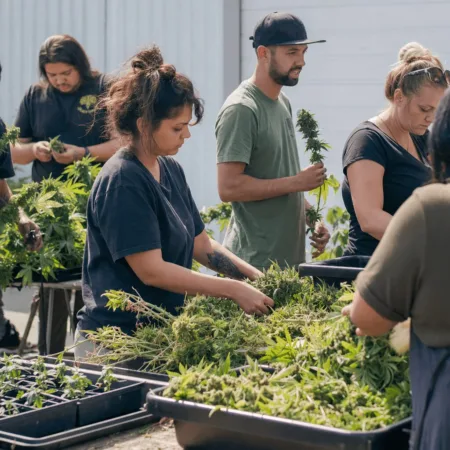
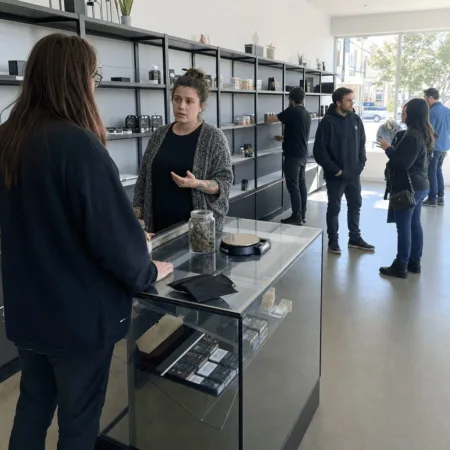
The Rhode Island worker-owned cannabis story jumped into the spotlight with the state’s first lottery for new retail cannabis licenses, held in April 2024. According to The Boston Globe, a Providence-based worker cooperative won a coveted retail spot, making state history and sparking headline buzz. The winning group was built from local employees, many with experience in nonprofit and cooperative sectors. Their business plan stood out by prioritizing living wages, democratic decision-making, and local re-investment. The state’s cannabis control commission, established as part of recent legalization reforms, approved the license following a robust public review process. They cited the co-op’s innovative approach and alignment with the legislative goals of social equity. The timeline to opening included compliance with strict Rhode Island testing and security rules, and, as required by state law, a majority of the business must be worker-owned, not just on paper but in ongoing governance. Meanwhile, the broader lottery saw nearly 60 applicants for only a handful of licenses, reflecting fierce competition and sky-high community expectations. This event has been compared to historic shifts in cannabis policy, such as those found in the evolution of marijuana history and regulation across the United States. Local media and advocates celebrated the win as a major step forward for Rhode Island worker-owned cannabis, with some calling it a blueprint for the nation.
Expert Insights: Why Rhode Island Worker-Owned Cannabis Matters
This isn’t just a novelty, it’s a meaningful shakeup. Worker co-ops have proven benefits in other industries: better job quality, greater long-term growth, and more resilient community ties. As Rolling Stone highlights, co-op models are the ‘antidote to corporate greed’ and offer a vital pathway for inclusive growth in cannabis. From an industry perspective, local ownership keeps profits in-state, builds trust, and encourages sustainable practices. According to cannabis economist and advocate Shaleen Title, “Worker-ownership is the single best way to anchor equity in legalization—not just talk about it.” (Benzinga). Challenges do remain: banking barriers, tough competition from multi-state operators, and costly compliance requirements. Yet Rhode Island’s move could spark a broader push for more democratic cannabis businesses nationwide. In this sense, other states analyzing risks and opportunities in their own programs—like examining the risks and benefits of regulated cannabis and nicotine in 2024—can look to the Ocean State as a test case. The worker-owned approach is being closely watched by activists in New York, Illinois, and California, with trade publications like Cannabis Tech praising both the structure and mission behind the state’s new co-ops.
What Comes Next? Rhode Island Worker-Owned Cannabis Sets the Stage
This moment isn’t just historic—it’s a catalyst. With Rhode Island worker-owned cannabis businesses drawing support from community leaders and consumers, more states may look to replicate this model. Experts agree that these co-ops could help counter the trend of big money squeezing out local entrepreneurs. We’ll likely see more worker-owned dispensaries opening in the next few years, especially as regulations relax and stigma fades. According to NORML, public support for inclusive and local cannabis models is at an all-time high, making the future for Rhode Island worker-owned cannabis bright. With continued community momentum and state innovation, Rhode Island is positioning itself as a leader in a more just, people-powered cannabis revolution. As the fog lifts, the market’s message is clear: the age of worker-owned cannabis is dawning—one storefront at a time.
Originally reported by: bostonglobe.com