





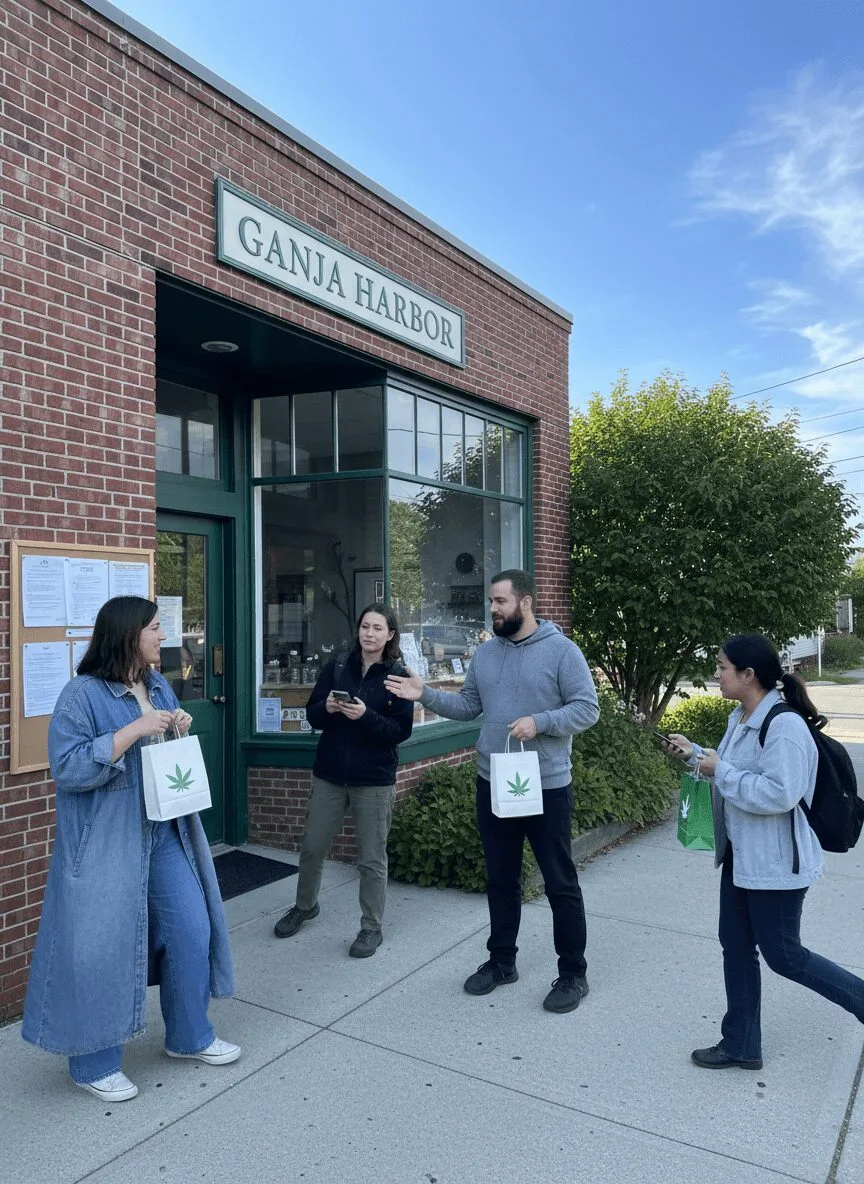
Rhode Island cannabis rollout: Why worker-owned stores are missing
The Rhode Island cannabis rollout is creating plenty of buzz as new dispensaries light up the Ocean State. But if you’ve noticed a lack of worker-owned cannabis stores, you’re not alone. In all the excitement about lottery draws and storefront launches, it’s raising eyebrows that the state’s plan for worker-owned co-ops seems stalled. With Rhode Island joining the growing wave of legal adult-use markets, understanding why worker-owned businesses haven’t gotten their shot is crucial for consumers, advocates, and future entrepreneurs alike. Let’s dig in.
Understanding the Rhode Island Cannabis Rollout: Regulatory Backdrop
Rhode Island entered the adult-use cannabis game with a splash, inspired by successes in states like Massachusetts, which has set notable benchmarks for regulatory rigor, and Illinois. In May 2022, Rhode Island signed legislation to legalize recreational marijuana, aiming to prioritize equity and economic opportunity, according to state legislative sources.
The new law was meant to carve out a special class of licenses for so-called “hybrid cannabis retailers,” including worker-owned cooperatives. The Rhode Island Cannabis Control Commission (CCC) planned to foster a diverse industry, ensure social justice, and boost small, local businesses. However, regulatory rules required applicants to clear a long list of hurdles, from securing compliant locations and raising capital to proving organizational stability. The state’s Department of Business Regulation (DBR) maintains strict oversight, aiming for responsible operation and community integration. Across the U.S., similar legal frameworks recognize worker co-ops as a tool for economic empowerment, yet implementation can be complicated by evolving lab standards and regulatory scrutiny, as discussed in recent deep dives on marijuana history and regulation.
Key Developments: Where Are the Worker-Owned Dispensaries?
The launch of the Rhode Island cannabis rollout saw a lottery system designed to give a fair shot to diverse entrants. But when the state released its shortlist after the 2024 dispensary lottery, no worker-owned co-ops were chosen, as reported by the Boston Globe. Out of dozens of applicants, all six available retail licenses went to established operators or corporate newcomers.
Co-op hopefuls found themselves on the outside looking in. Legal experts, like those quoted in Marijuana Moment, point to complex licensing criteria, including financial and property requirements, making it tough for true worker collectives to compete with well-funded commercial interests. In states with newer regulation models, such as Virginia, advocates have also observed how equity remains a challenge, with evolving trends discussed in recent coverage of Virginia’s cannabis law changes. While Rhode Island law reserved at least one license for a worker-owned entity, none met the required benchmarks by the lottery deadline. The DBR continues to review applications, but the lack of worker-owned representation has quickly become a point of debate. Community advocates argue that these barriers go against the original spirit of Rhode Island’s cannabis law, which was crafted to prioritize equity and small-business growth. The lottery’s aftermath leaves many wondering if the playing field was ever truly level.
Expert Analysis: What’s Standing in the Way?
Despite the intent behind the Rhode Island cannabis rollout, implementation has exposed tough realities faced by worker cooperatives. The upfront costs of legal compliance, real estate, and buildouts can run from several hundred thousand to over a million dollars. Worker co-ops tend to lack traditional investors, relying instead on pooled worker funds or community lending. As Leafly points out, “if you don’t come loaded with cash and a full roster of compliance consultants, your odds plummet.”
In the Ocean State, this dynamic has sidelined aspiring worker-owned cannabis businesses—even those with rock-solid community roots. According to cannabis policy analyst Shaleen Title, “If Rhode Island truly wants diversity in ownership, it’s essential to lower upfront barriers and provide start-up support, not just future promises” (Parabola). These insights echo the need for candid education on risks and opportunities, similar to what consumers face navigating both nicotine and cannabis, as explored in analysis of cannabis risks and public health perspectives. In essence, the spirit is willing, but the regulatory flesh is expensive.
What’s Next for the Rhode Island Cannabis Rollout?
The absence of worker-owned dispensaries in the early rounds of the Rhode Island cannabis rollout underscores challenges seen nationwide, but it also spotlights room for progress. There’s strong advocacy for reforms to make the next application cycles more accessible—think grant programs, technical training, and affordable financing.
As industry sources like Benzinga observe, ‘states that actively support small and equity applicants see broader community benefits and a richer market.’ Rhode Island’s regulators could still pivot, providing hands-on resources or adjusting future lottery criteria to finally level the playing field.
Optimistically, Rhode Island remains committed to building an inclusive industry, and public scrutiny is helping push the dialogue. As the cannabis rollout continues, it’s only a matter of time before more innovative, community-driven operators—including worker co-ops—have a real chance to shape the state’s green future. The journey may be rocky, but the long-term trend is toward an open, locally invested cannabis scene where everyone can roll up together.
Originally reported by: bostonglobe.com

2 Comments
Pingback: Ex-cop marijuana extortion: shocking new sentencing twist
Pingback: Rhode Island worker-owned cannabis: Can it revolutionize the market?