

FDA hemp CBD enforcement: What It Means for the Industry
If you’ve been tracking cannabis news, you know the FDA hemp CBD enforcement shakeup is turning heads fast. With the CBD market growing like a well-fed houseplant, new guidance from regulators is making everyone from farmers to retailers wake up and pay close attention. Between fresh statements from the FDA and mounting political pressure for real reform, this isn’t just another agency memo—it’s a game-changer for anyone in the hemp CBD space. In this guide, I’ll break down why these moves matter, what’s at stake, and how the entire industry is reacting in real time. Buckle up: FDA hemp CBD enforcement is going to define the next era of cannabis compliance.
Background: Where FDA Hemp CBD Enforcement Is Coming From
The roots of FDA hemp CBD enforcement go deep. Since the 2018 Farm Bill federally legalized hemp, defined as cannabis with less than 0.3% THC, the FDA has worn the regulatory crown for products containing CBD. While CBD exploded onto grocery shelves and online stores, the FDA has kept things frosty with inconsistent rules. According to official FDA statements, CBD’s legal limbo status means it can’t be marketed as a dietary supplement or added to foods. Despite booming consumer demand and the rise of major CBD brands, enforcement has mainly focused on companies making health or medical claims. Still, plenty of legal gray remains. States like Colorado, Illinois, and California have created their own hemp rules, while national retailers want clarity and a level playing field (NCSL: State Industrial Hemp Statutes). Consumers are demanding quality and safety, but businesses are stuck with patchwork regulation and risk, very similar to what independent dispensaries face when local rules shift, as seen in the challenges surrounding cannabis equity and dispensary closures in Boston. In 2023, federal pressure grew for the FDA to finally enforce, or at least clarify, its hemp CBD policy for good.
Key Developments: The Latest FDA Hemp CBD Enforcement Moves
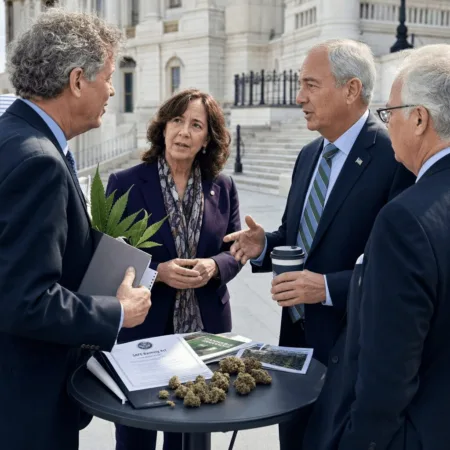
Let’s break down what’s actually gone down. In March 2024, the FDA made headlines with a fresh round of warning letters aimed at CBD companies, targeting unsupported medical claims and mislabeled products (FDA Warning Letters Database). Notably, the agency cited brands allegedly selling CBD gummies and tinctures as dietary supplements, a clear regulatory red flag. This recent uptick in enforcement echoes wider regulatory shifts in controlled substances and state-level cannabis policy, like those discussed in how grassroots action is shaping state marijuana legislation. According to Marijuana Moment, top FDA officials also called on Congress to fill in legal gaps, pushing for comprehensive rules on labeling, dosage, and product safety. Lawmakers have responded by reintroducing bills to create a nationwide CBD regulatory framework, though political gridlock remains. Meanwhile, companies like Charlotte’s Web and CV Sciences are urging for clear, science-based guardrails, with industry insiders seeing these moves as a signal the FDA’s willingness to intervene directly in the evolving hemp CBD landscape.
Expert Analysis & Pro-Cannabis Perspective on FDA Hemp CBD Enforcement
From the frontlines, it’s obvious: the FDA hemp CBD enforcement wave is a call for maturity in the cannabis industry, not a death knell. As Hemp Grower Magazine observes, responsible operators have been clamoring for dependable oversight for some time. “True regulation and enforcement will separate the legit players from the snake oil salesmen,” says cannabis attorney Lauren Rudick (Rudick Law). While some fear regulatory crackdowns, advocates for compliant businesses see this as an opportunity to strengthen the industry’s reputation and consumer confidence. This situation is not unlike the dynamic changes faced by retail dispensaries navigating shifting local policies, leading stores to adjust strategies and consumer communication, something recently seen on State Street where cannabis retailers are facing uncharted regulatory terrain. When reputable publications such as Forbes and Marijuana Moment highlight these regulatory trends, it reinforces that current changes are part of a larger movement toward industry legitimacy and public accountability. Good regulation isn’t a buzzkill, it’s the path to mainstream acceptance and long-term survival for everyone in the hemp-derived CBD space.
Looking Ahead: The Future of FDA Hemp CBD Enforcement
Bottom line: this era of FDA hemp CBD enforcement marks an inflection point for cannabis in the U.S. Industry voices agree—whether you’re a cultivator, processor, or consumer, the need for fair, science-based federal action is only getting louder. As new Congressional proposals gain traction, sources like NCSL and Marijuana Moment project steady market growth and increasing public support for hemp products. With smart, balanced regulation, we could see innovation, quality, and trust finally take root. While uncertainty still shadows the CBD scene, optimism’s in the air—much like the scent outside your favorite hemp-friendly coffee shop. As the conversation evolves, one thing’s clear: FDA hemp CBD enforcement is shaping a safer, better-regulated, and ultimately more accepted cannabis industry for everyone.
Originally reported by: marijuanamoment.net