





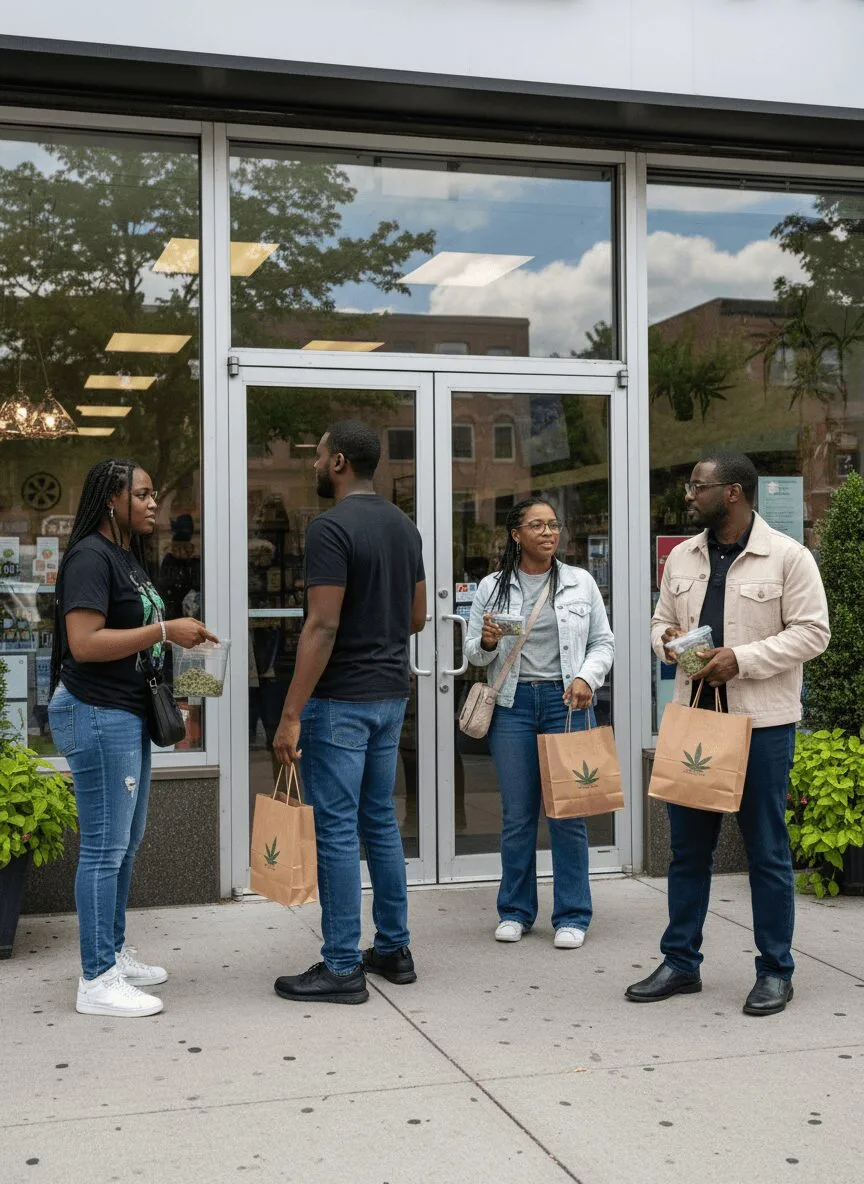
Black-owned cannabis dispensary Boston: Pure Oasis closes
The closure of Pure Oasis, a prominent Black-owned cannabis dispensary Boston location, has sent ripples through both the local community and the wider cannabis industry. With market shifts, intense competition, and mounting financial pressures, the spotlight is back on the obstacles Black entrepreneurs face in Massachusetts’ legal cannabis space. This story isn’t just about one business—it’s emblematic of deeper regulatory, financial, and social challenges. Let’s dive into the background, examine the key developments, and unpack what this all means for the future of Black-owned cannabis dispensaries in Boston and beyond.
The Cannabis Equity Promise and the Boston Social Landscape
Massachusetts, since legalizing cannabis for adult use in 2016, made equity central to its regulatory rollout. Boston, as the state’s economic engine, became a testing ground for the promise of social equity in legal weed, particularly for communities historically harmed by prohibition. In fact, the Cannabis Control Commission (CCC) established specific policies to increase participation from Black and brown entrepreneurs. Yet, despite these frameworks, many Black-owned cannabis dispensary Boston ventures have found navigating capital requirements, steep taxes, and local licensing labyrinths a real grind. According to a 2023 Boston Globe report, less than 2% of the state’s cannabis businesses are Black-owned. The question of how financial institutions approach high-risk industries reminds some of situations in other regions, such as challenges surrounding legalization and criminal records, similar to those in Indiana cannabis law reform discussions. On top of that, product oversupply and illegal market competition have pushed profits down, even as consumer demand rises. The case of Pure Oasis crystallizes many of these challenges in real time.
Pure Oasis: The Rise, the Struggle, and the Sudden Closure
Pure Oasis debuted in 2020 as Boston’s first Black-owned cannabis dispensary Boston, immediately celebrated as a trailblazer for social equity in the industry (WBUR). Located first in Dorchester and later downtown, founders Kobie Evans and Kevin Hart pushed for local hiring, youth education, and neighborhood uplift. Unfortunately, by 2024, mounting debts, slowed customer traffic, and fierce competition proved unsustainable. According to The Boston Globe, both the Dorchester and downtown locations shuttered in April after accumulating nearly $2 million in unpaid taxes and supplier debts. Financial support challenges and new business models for retail cannabis operators continue to impact the broader landscape, as seen with ongoing questions about State Street cannabis stores and their place in local culture. Pure Oasis’ public statement cited overwhelming market pressures, especially for operators already battling historic injustices. Their closure isn’t isolated, but part of a wave hitting equity-focused dispensaries across Massachusetts. The gap between policy ideals and economic realities is glaring, with Pure Oasis’ story prompting renewed scrutiny from advocates and regulators alike.
Expert Analysis: What Pure Oasis Means for Black-owned Dispensaries
The Pure Oasis closure serves as a litmus test for real-world social equity progress in cannabis. As industry experts at Marijuana Moment observe, ‘Access to capital and fair taxation structures remain two of the biggest barriers facing equity licensees. Without relief, we’re poised to see more closures among Black and brown-owned businesses.’ Such sentiments echo throughout industry circles. Many leaders stress that current equity programs lack meaningful financial support and technical assistance. In fact, discussions of how innovation and creative approaches can help close some of these gaps are ongoing, as the industry investigates new ideas that could change everyday life across the cannabis market. The absence of federal banking reform keeps business loans out of reach for most Black-owned cannabis dispensary Boston operations. As one local equity advocate put it, “The system was designed with good intentions, but the tools to actually help businesses survive just aren’t there yet.” Meanwhile, consumer enthusiasm for supporting Black-owned brands remains strong, but less effective when systemic challenges persist behind the scenes. Balanced perspectives also warn against negativity: these growing pains are, in part, expected in an evolving market. What matters is how the state and industry adjust going forward.
Looking Forward: Can Boston’s Cannabis Sector Reboot Equity?
The closure of Pure Oasis, though disappointing, doesn’t spell the end for Black-owned cannabis dispensary Boston entrepreneurs. Massachusetts regulators and lawmakers are now facing increased calls for loan guarantees, tax relief, and grant programs directly targeted at equity licensees—moves that could set national precedents for cannabis justice. Meanwhile, consumer support and community activism remain potent forces for change. According to Leafly’s 2023 Social Equity Review, markets that refine equity support mechanisms see longer-lasting success among minority-owned dispensaries. As the cannabis sector matures, stories like Pure Oasis will serve as both a caution and a call to action—fueling advocacy, innovation, and, hopefully, future victories for those still fighting for a truly fair cannabis industry in Boston and beyond.
Originally reported by: bostonglobe.com
1 Comment
Pingback: Aurora Cannabis acquisition: Inside a $26.5M Cultivator Deal