

Minnesota psilocybin decriminalization: Lawmakers Push Change
With huge shifts in how lawmakers and the public talk about psychedelics, Minnesota psilocybin decriminalization is suddenly at the center of political momentum. From Edina to Duluth, legislative debates and shifting social perspectives are heating up, directly echoing national trends in psychedelic medicine, harm reduction, and drug policy reform. This moment isn’t just a blip for cannabis or mushroom fans—it’s a pivotal period for the broader decriminalization movement. We’ll dig into the latest news, why it matters for Minnesotans and the cannabis industry, plus what might happen if lawmakers follow through on changing the rules for psilocybin in the North Star State.
A Look Back: Regulatory, Market, and Social Context
Minnesota psilocybin decriminalization debates don’t exist in a vacuum. The state has a patchwork history on progressive drug laws, for example, adult-use cannabis was legalized in 2023, and medical marijuana access continues to evolve. According to the MinnPost, Minnesota’s approach to psychoactive plants has always walked a tightrope between cautious policy and a progressive undercurrent that echoes national reformers. At the federal level, psilocybin remains a Schedule I substance, which means research, therapeutic use, and even possession are heavily restricted. Still, waves in Oregon and Colorado have set nationwide precedents for safe, decriminalized psilocybin access, as highlighted by recent documentaries chronicling real transformation through therapeutic healing. Minnesota voters and lawmakers are clearly watching, with both local grassroots activism and respected policy think tanks like the Drug Policy Alliance increasing pressure for change. This cocktail of evolving scientific research, shifting cultural attitudes, and a desire for equity in drug law enforcement forms the backdrop for Minnesota’s legislative push.
Key Developments: What Lawmakers and Advocates Are Doing on Psilocybin
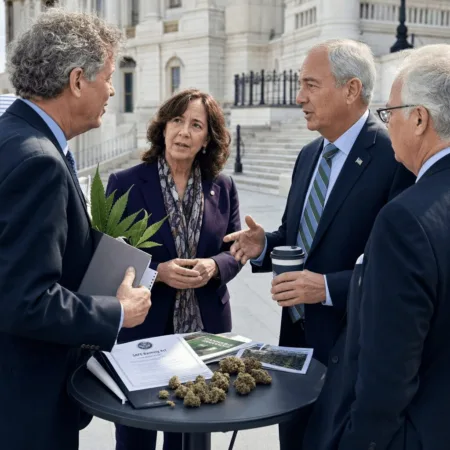
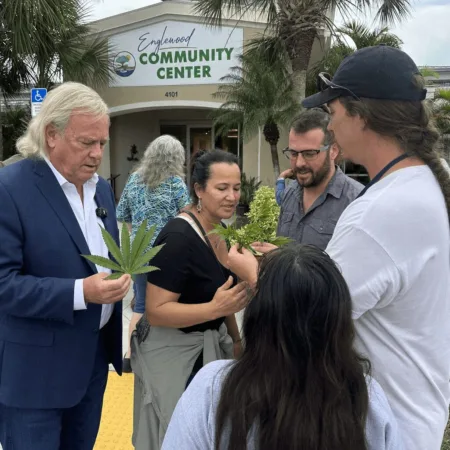
This spring, Minnesota lawmakers filed a bill to launch a formal state research and pilot program aimed at making psilocybin available in therapeutic settings, even as federal law lags. According to local coverage by CBS Minnesota, the measure proposes to decriminalize personal possession of psilocybin for adults, model new medical programs on successful efforts in Oregon, and create a study group tasked with guiding implementation. The bill, championed by Senator Kelly Morrison, proposes not only rolling back criminal penalties but also studying clinical applications for PTSD, depression, and chronic pain, bringing academic powerhouses like the University of Minnesota Medical School into the conversation. Bipartisan interest is strong, with a rising tide of public support particularly among medical professionals and veterans. Public testimony has highlighted both the need for safe, legal access to therapeutic psychedelics and the urgent need to correct racially disparate drug enforcement—an issue that has also emerged in other states grappling with local rules, as seen with cannabis regulations affecting county residents. The program itself would be a first in Minnesota history, with the pilot program possibly launching by 2025 if the legislative calendar is friendly. Still, opposition exists, often fueled by lingering stigma and federal classification hurdles.
Expert Analysis: Insights and Pro-Cannabis Perspectives
Minnesota psilocybin decriminalization fits into a broader trend: the mainstreaming of plant-based medicines. According to the Leafly Policy Desk, states with progressive cannabis laws are uniquely positioned to embrace the medical and therapeutic promise of psychedelics. “What we’ve seen with cannabis is a proof-of-concept for how to safely integrate previously taboo substances into regulated markets, with measurable benefits for public health and criminal justice,” said Bruce Barcott, senior editor at Leafly (Leafly). For cannabis advocates, this is about more than simply swapping mushrooms for buds, it’s an ambitious chance to reduce harm, deliver real mental health support, and model evidence-based policy. Still, challenges remain. Experts agree Minnesota will need to invest in public education, robust regulatory oversight, and strong anti-diversion measures to avoid pitfalls faced by early cannabis states. Yet, successes in Oregon and Denver suggest a model worth following. The ongoing discussions often intersect with evolving drug enforcement cases elsewhere, such as those making headlines in recent Geary County cannabis reporting. Big-picture, cannabis industry veterans see this as a new chapter, one where healing and science might finally outpace outdated stigma.
Looking Ahead: A Hopeful Shift Toward Smart, Humane Reform
Minnesota psilocybin decriminalization may not happen overnight, but the trendlines are clear. Lawmakers, healthcare professionals, and citizen advocates are uniting around a future where science-led, safer policies guide everything from pain relief to criminal justice. As noted in recent NORML briefings, progress in one area of decriminalization paves the way for innovation, research, and new business models across the wider cannabis and psychedelics sectors. If Minnesota follows through, expect ripple effects in public health, legal equity, and market creativity—driven by honest conversation and a commitment to evidence over fear. For the cannabis community and everyone eager for a fairer, more open state, these are exciting times—and the story’s just getting started.
Originally reported by: cbsnews.com