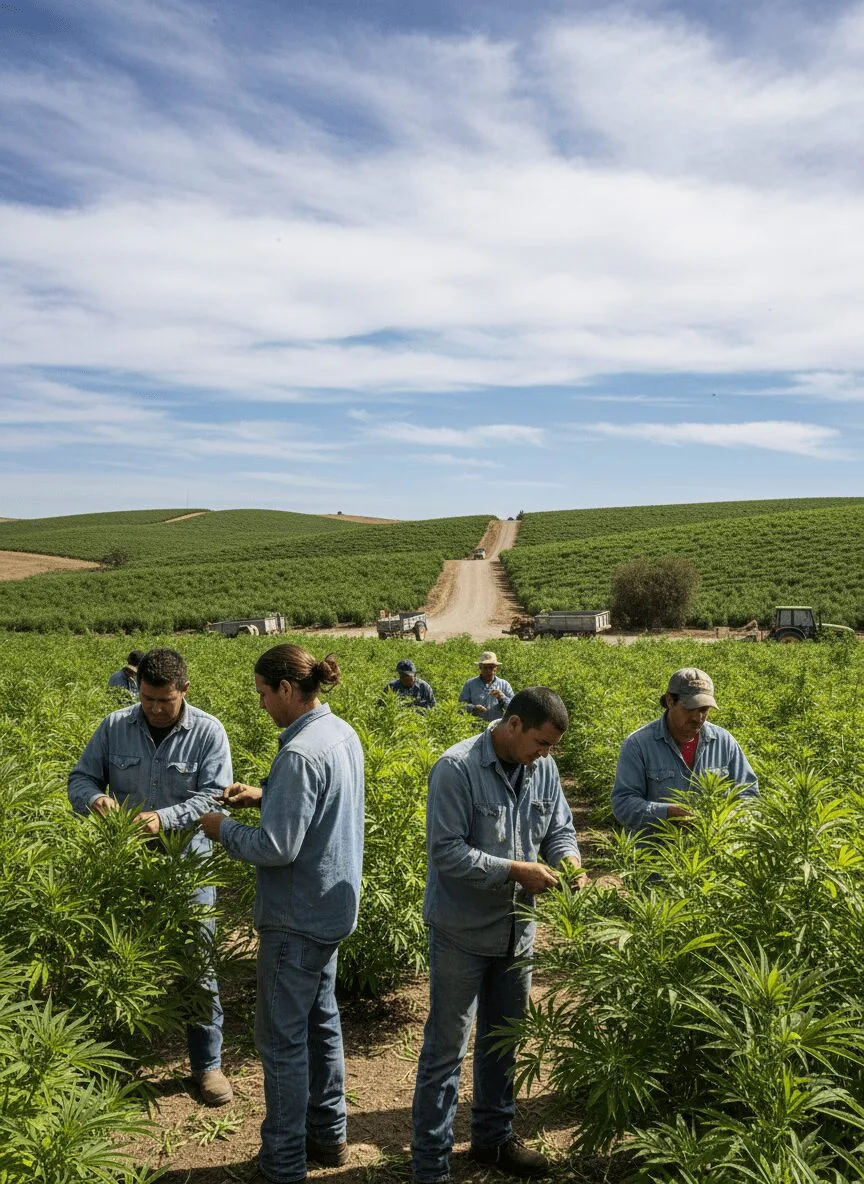
Right now, San Benito cannabis farming is in the spotlight, as residents prepare to decide the fate of the region’s rapidly evolving cannabis industry. Between changing attitudes about legalization, new economic opportunities, and heated debates about local land use, this is a moment that could redefine farming in San Benito County for years to come. In this article, we’ll break down why San Benito cannabis farming matters, what Measure D could change, and how it connects to broader trends impacting growers, consumers, and communities across California. Buckle up, friends—it’s a wild ride!
Understanding the Roots: San Benito Cannabis Farming in Context
The story of San Benito cannabis farming can’t be told without looking at the complex web of local and state laws woven around California’s cannabis industry. Since Proposition 64 legalized adult-use cannabis statewide in 2016, individual counties like San Benito have retained the authority to set their own rules for commercial cultivation, distribution, and retail. According to the California Department of Cannabis Control, regulations differ widely from county to county, shaping both the business environment and local cultures. A recent update in Ohio marijuana laws shows how varied and evolving regulations can impact local communities and businesses in other states as well. In San Benito, the debate centers around balancing rural quality of life with new agricultural revenue streams as towns confront everything from odor concerns to zoning and social stigma. This regional push and pull echoes challenges faced across the state, where farmers must navigate a patchwork of local ordinances, water rights issues, and evolving state compliance.
Measure D: The Turning Point for San Benito Cannabis Farming
So what’s all the buzz about? Recently, voters in San Benito County have been asked to weigh in on Measure D, a local ballot initiative that has become a flashpoint for debate. According to coverage by BenitoLink, Measure D proposes to streamline the permitting process for cannabis farms and open up more land for legal cultivation. The initiative aims to reduce bureaucratic bottlenecks that have kept many legal growers locked out of the local market despite statewide legalization. If passed, it could mean expedited application timelines, clearer land-use policies, and expanded opportunities for both small-scale family farms and larger operators. On the flip side, some residents worry about increased traffic, odors, and environmental impacts, concerns not unique to San Benito, but definitely at the forefront here. When examining the changing regulatory environment for cannabis at both local and national levels, we can look toward recent shifts, such as those seen in Massachusetts cannabis legislation, for insight into how other regions have addressed similar challenges. The outcome of Measure D, which goes before voters in the coming months, will likely set lasting precedents for how San Benito cannabis farming is regulated and perceived.
Expert Insights: Navigating Change in Cannabis-Friendly Communities
Let’s unpack things, shall we? San Benito cannabis farming is standing at a crossroads, and the choices made now will ripple out fast. As Leafly staff analysts point out, tighter local controls can either stifle legitimate business or empower black markets. “If you don’t provide a path for legal cultivation, unlicensed operators will fill the void,” notes cannabis policy expert Amanda Reiman in a recent interview. San Benito County’s move to reconsider old restrictions is a nod to economic realities post-pandemic: new jobs, tax revenues, and keeping agriculture competitive. When considering how enforcement actions influence both legal and illicit markets, the controversial cannabis raid in Tulsa provides a striking example of how regulations can directly shape local industry dynamics. At the same time, environmental stewardship, neighbor relations, and fair licensing remain hot-button issues. Smart, balanced policies, like those proposed in Measure D, could break this persistent bottleneck, allowing communities to harness benefits while proactively managing pitfalls. And let’s not kid ourselves: cannabis farming is as much about building trust as it is harvesting crops, growing roots—literally and figuratively—in the local soil.
Looking Ahead: San Benito Cannabis Farming’s New Era
No matter how the dust settles with Measure D, one thing’s clear: the days of cannabis sitting quietly on the agricultural sidelines are over in San Benito. As new rules take shape, growers and local leaders have a chance to set the gold standard for rural cannabis policy—not just react to it. The village vibe and unique terroir of San Benito County give its farms a natural edge, while forward-thinking rules can keep business legit, sustainable, and community-friendly. If passed, Measure D could be the spark for a flourishing future, echoing what we’ve seen in progressive counties across California (see data from the California Department of Cannabis Control). As more folks see cannabis as another crop—one with major economic clout and cultural swing—the future for San Benito cannabis farming looks, well, greener than ever.
Originally reported by: benitolink.com