





maine cannabis testing bill: What Lawmakers Won’t Tell You
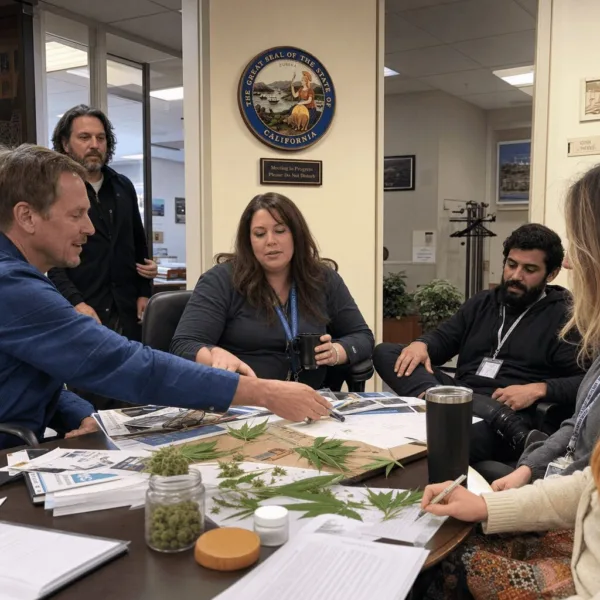
The maine cannabis testing bill has become the talk of the town, sparking urgent debate among consumers, dispensaries, and regulators. With legal cannabis sales hitting new records and fresh policy moves making waves, everyone’s asking: How will expanded testing truly impact the market, safety, and the vibe of Maine’s cannabis community? This article breaks down the buzz, uncovers what lawmakers aren’t telling you, decodes the complicated politics, and serves up expert analysis—wrapped up with practical insights for anyone who lights up or cashes in. Stick around to get the whole story behind the maine cannabis testing bill as it heads to the legislative floor.
How Did We Get Here? Understanding the Regulatory Backdrop
The maine cannabis testing bill didn’t come out of nowhere. Since Maine legalized adult-use cannabis in 2016, the state’s pot pioneers have navigated a maze of rules, market shifts, and persistent stigma. The original regulatory framework was shaped by voter mandates, a push for safe, quality-tested weed that didn’t break the bank or squash small businesses (Maine.gov – Office of Cannabis Policy). But let’s be blunt, implementation lagged, and required testing was mostly left to the ‘big guys,’ while caregivers and smaller operators rode an exemption wave. Over time, increased concerns about pesticide residues, inconsistent THC results, and a few unfortunate media headlines gave critics ammo to demand tighter oversight. Just as many states are seeing major cannabis market changes, other regions are experiencing surging cannabis revenue and regulatory adjustments. Meanwhile, Maine’s cannabis sales keep soaring, topping $200 million in regulated revenue last year according to Leafly News. Now, as the feds hint at cannabis rescheduling and states adjust their playbooks, Maine lawmakers are under real pressure to update, unify, and enforce standards through comprehensive legislation, enter this year’s maine cannabis testing bill.
Inside the maine cannabis testing bill: Facts, Figures & Recent Developments
This session’s maine cannabis testing bill (not-so-catchily branded “LD 2672”) is setting the stage for a regulatory overhaul. It aims to require mandatory cannabis testing for virtually all adult-use and medical products, no more caregiver carveouts or gray-area sales. If passed, every batch would need to be lab-tested for potency, heavy metals, mold, mycotoxins, and residual solvents before sale (Portland Press Herald). The bill’s sponsors, Representative Lynne Williams and allies from both parties, argue that public health and consumer confidence demand rigorous checks. But the proposal has also fired up advocates and small-business owners who warn it could jack up costs or limit access for patients and mom-and-pop operations. In committee, passionate testimony came from operators like Sweet Dirt and local labs such as Nelson Analytical, urging fees and logistical burdens be kept sane. On April 2nd, the contentious bill advanced out of committee with heated debate, and heads next to a full House vote (Maine Legislature). If the maine cannabis testing bill passes, it could take effect as early as 2025, reshaping regulations for every cultivator, processor, and patient in Vacationland. Just as fee policies are being reconsidered elsewhere, other cities are setting bold caps on cannabis-related fees and what that means for consumers and businesses.
Expert Analysis, Industry Worries, and Pro-Cannabis Insights
So, what does all this mean? First, the maine cannabis testing bill reflects a national trend, states are pivoting from patchwork regulation to stricter standardized oversight. That’s great for public health, but it also stirs real worries among Maine’s famed caregiver community, who fear being priced out. As longtime advocate and educator Catherine Lewis told Forbes: “Caregivers built Maine’s cannabis industry from the ground up. They deserve rules that work for real people, not just big corporations.” Balancing rigorous science with fair small-business access is the challenge of our era. Many experts echo Lewis, noting that without fee relief or state-supported testing labs, we risk losing the artisanal quality and tight-knit vibes that set Maine apart. Meanwhile, health watchdogs say comprehensive batch-level testing is overdue, especially after recent recalls in other states tied to unregulated Edibles or flower (NORML News). States have also seen abrupt enforcement and marijuana-related seizures impact local communities, as illustrated when Breaux Bridge authorities intervened in a high-profile cannabis case. The solution? Look for middle ground: phased rollouts, technical assistance, and state grants to keep caregivers in the game. Maine’s cannabis community must make its voice heard, because if the maine cannabis testing bill is crafted right, it could ensure both consumer safety and small-farm survival long term.
Outlook: What’s Next for Maine’s Cannabis Scene?
The fight over the maine cannabis testing bill is far from over. But here’s what we know: whether you grow, sell, heal, or simply chill, these changes will shape access, safety, and quality for years to come. The cannabis industry’s future in Maine depends on inclusive rulemaking and real support for small players. According to a recent MJBizDaily report, states with balanced, science-based rules boost business growth and protect consumers. Expect robust public comments, grassroots coalition-building, and maybe even a few regulatory rewrites as lawmakers hammer out details. Either way, the spirit of Maine’s cannabis community won’t fade—it’s just evolving. Stay tuned, stay informed, and stay hopeful: the best days of Maine’s cannabis movement are still ahead.
Originally reported by: pressherald.com


1 Comment
Pingback: Cannabis Facts and THC Strength: What You Absolutely Must Know