




Cannabis Product Liability Claims: What You Need to Know
In a booming market where new cannabis brands pop up faster than dispensaries can stock fresh pre-rolls, cannabis product liability claims are taking center stage. With more consumers exploring flower, edibles, and concentrates, the conversation around safe, consistent experiences is hotter than ever. Recent headlines reveal rising consumer lawsuits, shifting regulations, and expanding liability risks for producers and retailers. If you’re a cannabis fan, brand, or just canna-curious, understanding the potential for cannabis product liability claims is essential right now. Let’s spark up the facts and see what’s really burning in the world of product safety and responsibility.
The Landscape Behind Cannabis Product Liability Claims
The cannabis industry is hustling through rapid evolution, with regulations as diverse as your favorite dispensary’s top shelf. Each state plays by its own rules, some are tight on testing, others focus more on consumer warnings. According to the National Conference of State Legislatures, state-by-state legislation shapes everything from THC dosage limits to packaging labels. On the federal side, cannabis remains a Schedule I substance, making regulatory clarity as elusive as a mellow sativa high. This confusing patchwork means producers must constantly adapt, and sometimes mistakes or gaps open the door to cannabis product liability claims triggered by regulatory or consumer confusion. On top of that, the increase in mainstream acceptance and product innovation, including nano-emulsified gummies or terpene-boosted carts, carries both excitement and risks. Socially, consumers expect brands to be transparent and honest, and a misstep can lead to lawsuits and, even worse, damage to a hard-earned reputation.
Key Events Driving Cannabis Product Liability Claims
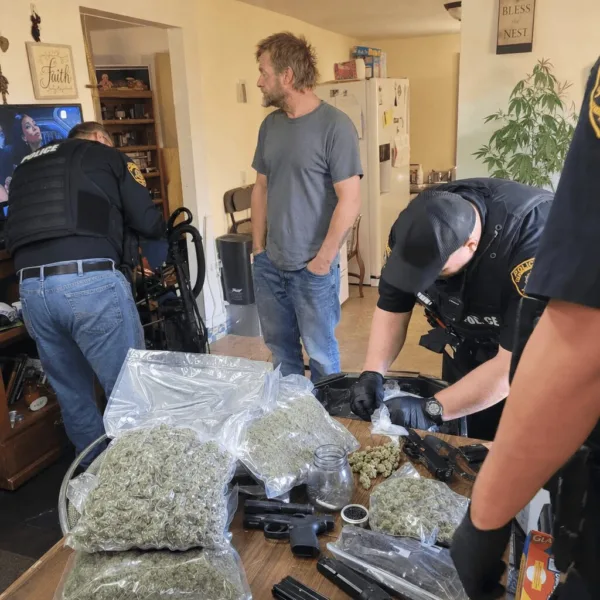
In the past two years, legal sparks have flown in courtrooms as consumers file more cannabis product liability claims than ever before. Take the recent case of KushCo Holdings, a distributor of vape hardware. According to Reuters, KushCo faced a liability suit in early 2022 after several consumers alleged their pre-filled cartridges contained unsafe chemical residues. In another high-profile event, an edibles manufacturer in Colorado had to issue a voluntary recall after mislabeled THC potencies landed unsuspecting customers on unexpected intergalactic journeys. These cases show cannabis product liability claims aren’t abstract, they affect both big brands and boutique producers. Not only companies but also retailers are under scrutiny. In January 2023, state regulators in Illinois cited multiple dispensaries for inadequate product labeling and child-resistant packaging, demonstrating that non-compliance can quickly become a legal hazard (Chicago Tribune). As the market matures, plaintiff attorneys are also getting savvier, using sophisticated lab testing and class action tactics to press claims around misleading potency, undisclosed allergens, or contamination with heavy metals, pesticides, and even mold. Clearly, the stakes now go way beyond broken jars or misread warning inserts, cannabis product liability claims are about serious consumer safety and trust. For instance, regulatory crackdowns in local communities, like debates stirred by recent law enforcement actions, highlight how enforcement and compliance continue to shape the industry landscape as seen when Tonawanda police made headlines during a local cannabis seizure.
Expert Perspectives: Navigating the New Risk Landscape
The surge in cannabis product liability claims is forcing everyone in the supply chain to think smarter. Industry heavyweights and legal eagles alike argue that compliance isn’t just about checking boxes, it’s about building real consumer trust. As Green Entrepreneur interviewed compliance consultant Lisa Pittman, who put it best: “Cannabis companies that embrace transparency and rigorous testing aren’t just following the law, they’re writing the future of this industry.” These claims remind us how a single negative event can trigger nationwide recalls or bad press, which can tank a stock faster than you can say ‘OG Kush’. Here’s the bright side: Each claim drives higher standards across the industry. Producers are adopting robust track-and-trace systems, better third-party testing, and clearer consumer education. Compliance innovation continues across the United States, similar to the changes emerging in the Midwest, where Missouri’s cannabis track-and-trace reforms set new standards for compliance. Industry groups, like the National Organization for the Reform of Marijuana Laws (NORML), advocate for coherent national labeling standards and ongoing research. The move toward universal lab testing or recall protocols signals that legal headaches could eventually become safety success stories if brands stay proactive.
Outlook: Cannabis Product Liability Claims Will Shape a Safer Industry
Despite the risks, the cannabis industry looks primed for growth, partly because cannabis product liability claims are forcing everyone to level up. Future-forward brands already treat compliance and transparency as hallmarks, knowing that today’s sharp-eyed customer is tomorrow’s loyal advocate. According to Leafly, robust consumer protections will drive more mainstream trust, investment, and social acceptance as legalization expands.
We’re all learning on the journey. Cannabis product liability claims—far from being a buzzkill—are actually sharpening industry talent, science, and honesty. The next chapter looks brighter: clearer rules, better products, and a culture that prizes safety right alongside the perfect high.
Originally reported by: reuters.com


1 Comment
Pingback: Idaho medical marijuana legislation: Critical changes & what’s next