



Child THC Ingestion Arrest: Shocking Ohio Case Exposed
In the past week, Ohio has witnessed intense media scrutiny surrounding a child THC ingestion arrest, igniting heated conversations about cannabis safety, legal oversight, and consumer education. As cannabis products become more prevalent in American households, incidents like this serve as a wake-up call about both the need for safe storage and the risks of improper handling. This case brings together issues of legality, parenting, and business responsibility—making it more than just headline news. In this article, we break down what happened in Ohio, the social and legal context, the implications for the industry, and how responsible cannabis advocates are responding.
The Evolving Legal and Social Background of Child THC Ingestion Arrests
As more US states roll out cannabis legalization, the Centers for Disease Control and Prevention (CDC) and state-level regulators have highlighted the importance of childproofing cannabis. According to public health data, accidental ingestion among children has steadily risen in states with recreational programs. While regulations demand bold labeling, strict packaging, and enhanced retail oversight, everyday realities like distracted parenting or unclear rules sometimes let dangerous situations slip through the cracks. In Ohio, recent enforcement initiatives underscore how legislators are ramping up scrutiny on both licensed producers and non-compliant retail channels, showing a pattern similar to Missouri’s ongoing debates about hemp legislation. Social opinion remains mixed, support for legalization is strong, but families want credible safety guarantees. The intersection of growing market access and lingering stigma makes every child THC ingestion arrest a flashpoint for debate among consumers, parents, and policymakers alike.
Key Developments: The Details Behind Ohio’s Recent Child THC Ingestion Arrest
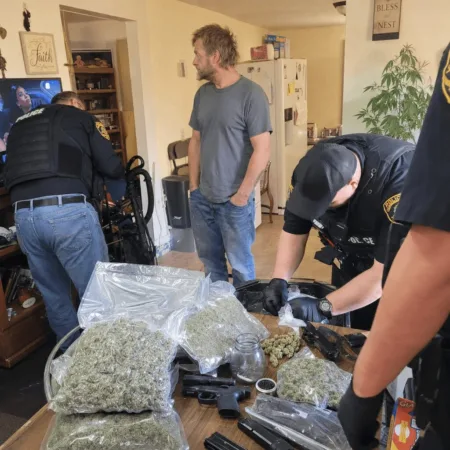
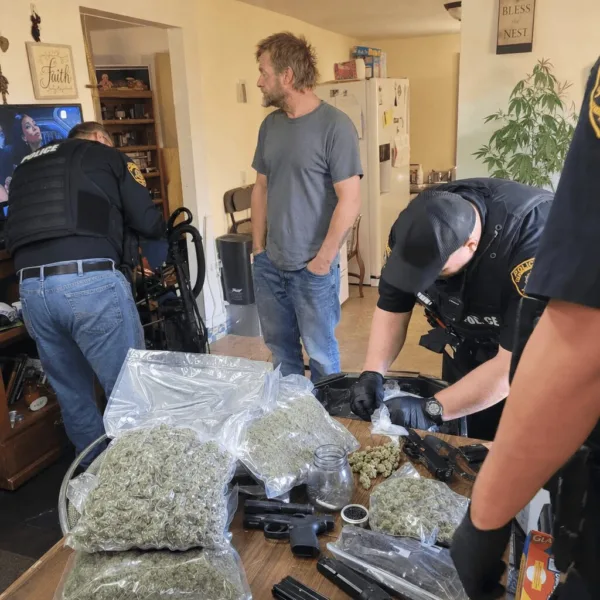
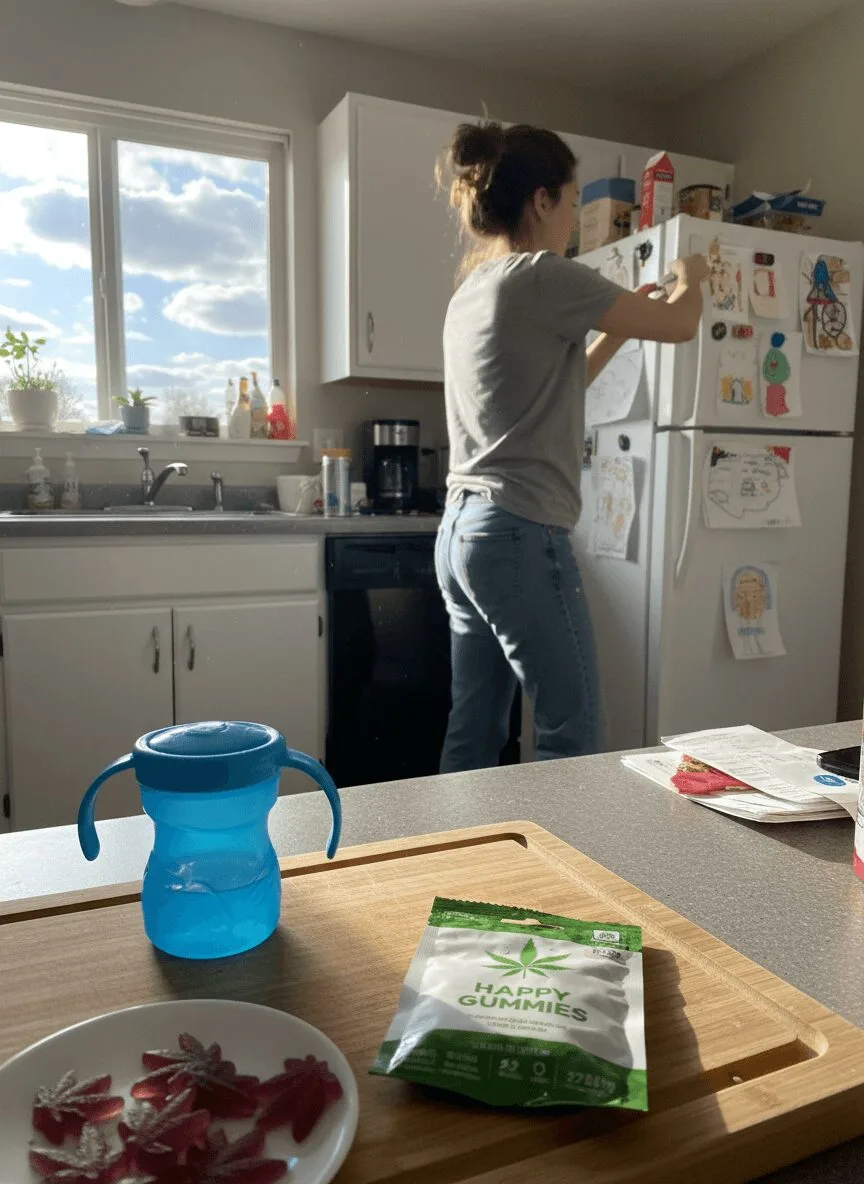
On a sunny late-spring afternoon in Licking County, Ohio, law enforcement responded to a distress call about a two-year-old boy who had suddenly fallen ill at home. According to NBC4i, the child was rushed to the hospital after reportedly ingesting THC-infused edibles found on a kitchen counter. The chaos unfolded in a typical suburban neighborhood, where the mother—later identified as a woman in her late 20s—was arrested on suspicion of child endangerment related to THC ingestion. Licking County deputies and Ohio child protective services joined the investigation, confirming the presence of a commercial cannabis package matching products sold statewide. This local case mirrors concerns seen in other states facing new or rapidly changing cannabis and hemp laws, much like Texas growers navigating evolving hemp regulations right now.
The incident drew rapid headlines across Ohio news cycles, emphasizing both the growing presence of cannabis edibles in households and legal accountability for safe storage. Local prosecutors now face the challenge of balancing enforcement with public education, while the family and community grapple with the consequences of what appears to be a preventable accident. As the child THC ingestion arrest plays out in court, regulators and advocates are watching closely for precedents that could impact statewide cannabis retail practices.
Expert Analysis and Responsible Cannabis Industry Perspective
As a long-time industry insider, most cannabis businesses and advocates treat child safety as absolutely non-negotiable. The outcome of this child THC ingestion arrest is tragic, but also highlights a gap in public awareness and practical education. More childproof packaging and better labeling are already industry best practices, but they’re only effective if products are kept out of reach at home. According to NORML: “Accidental ingestion is a genuine risk wherever cannabis is legal, but the solution isn’t prohibition—it’s education and strict storage protocols.” Industry leaders stress that demonizing cannabis over rare events risks ignoring meaningful steps forward, like improved product safety and community outreach. For those interested in broader medicinal and wellness uses, see this look at new federal-era access channels for medical cannabis care. A thoughtful, evidence-driven industry voice always advocates for empowerment, not panic. Responsible consumers, childproof locks, and enhanced public campaigns remain our best defense. We need all hands on deck, businesses, parents, and regulators aligned to keep the conversation and our communities safer from preventable accidents.
The Future: Progress, Solutions, and an Evolving Cannabis Landscape
Despite headline-grabbing incidents like this child THC ingestion arrest, the cannabis industry is actively learning and adapting. Already, states such as Colorado and California have adopted cutting-edge packaging requirements, bold warning labels, and public service campaigns encouraging safe storage. The public’s trust—and the industry’s future—depends on open dialogue, ongoing research, and steady regulatory evolution. According to MJBizDaily, legal cannabis sales in the U.S. will surpass $30 billion in 2024 alone, making responsibility and transparency more crucial than ever. Advocates, parents, and businesses must unite to educate, innovate, and set a national gold standard for safety. As acceptance grows and stigma fades, every challenge—like the Ohio child THC ingestion arrest—pushes us to build a smarter, safer, and more equitable industry for all.
Originally reported by: nbc4i.com