





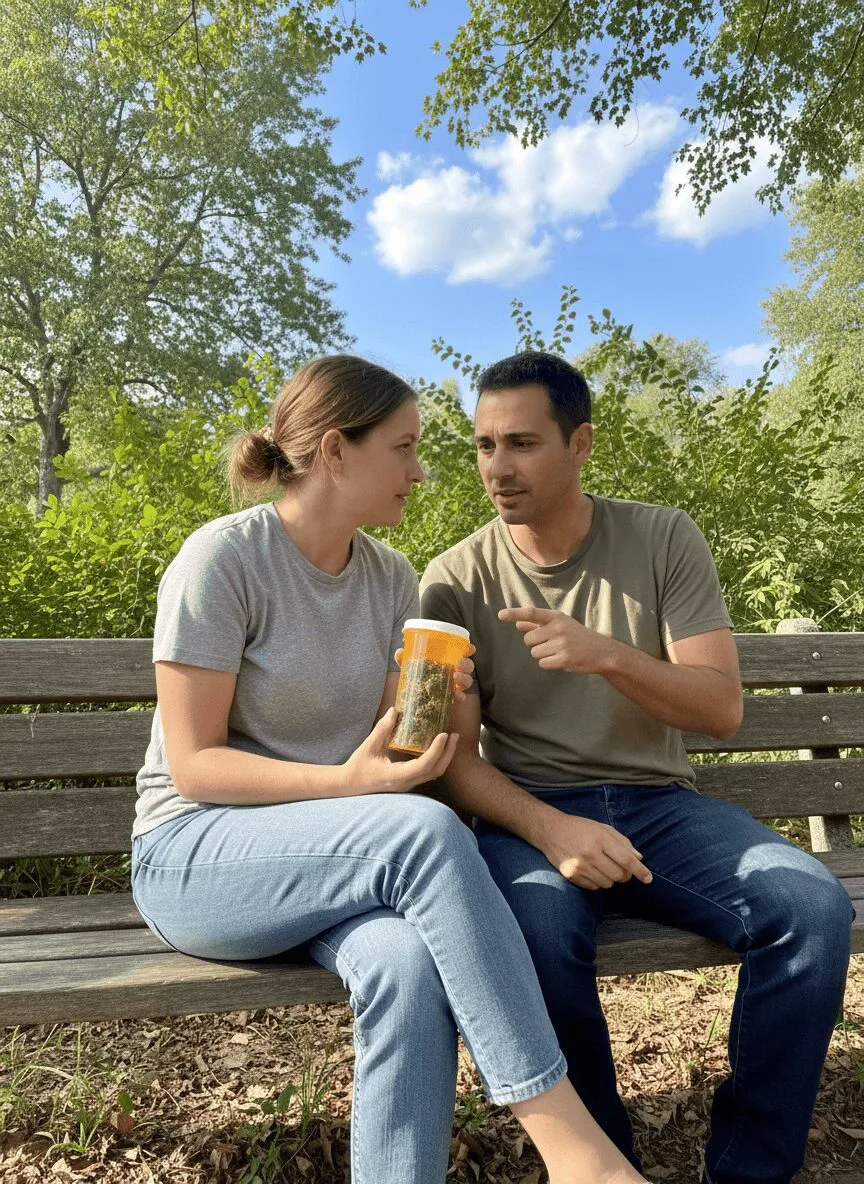
Is Medical Marijuana and PTSD a Safe Match? Discover the Facts
Right now, the intersection of medical marijuana and PTSD is a hot topic everywhere from the halls of state legislatures to everyday conversations at local dispensaries. With a significant surge in veterans and civilians seeking alternative treatments for trauma, questions about the safe use of cannabis for PTSD aren’t just academic—they affect real lives. As regulations evolve and public interest spikes, understanding whether medical marijuana and PTSD are a safe pairing is more important than ever.
The Regulatory Landscape and Social Context of Medical Marijuana and PTSD
The journey of medical marijuana and PTSD through the regulatory maze reflects broader shifts in American policy and perception. The last decade has seen a growing number of states legalize medical cannabis, often including PTSD as a qualifying condition due to strong advocacy from veterans’ groups and health professionals. According to the National Conference of State Legislatures, as of early 2024, more than 30 states explicitly include PTSD in their medical marijuana legislation, reflecting changing attitudes and new science. Internationally, debates like those featured in Germany’s recent legalisation efforts show how global perspectives on cannabis impact local reforms, as discussed in the ongoing expert debate on legalisation. Still, federal law remains strict, with cannabis classified as a Schedule I substance, creating a messy split between state and federal regulations. Socially, with mental health stigma breaking down and people looking for effective solutions, the cannabis industry is seeing increased demand from those who hope THC and CBD can help ease their trauma symptoms.
Key Developments and Issues: Recent News on Medical Marijuana and PTSD
Let’s break down the core developments highlighted recently around medical marijuana and PTSD. In late March 2026, several states announced tweaks to their licensing processes, streamlining patient access for PTSD and related conditions like chronic pain, anxiety, and depression. According to STAT News, demand has surged: thousands of patients have newly enrolled since updated state guidelines included PTSD on the qualifying list. In states such as New York, evolving legal regulations have created new opportunities and challenges for communities, as profiled in detail in the broader rollout of legal marijuana in New York. But the story doesn’t end at more sign-ups, lawmakers in several states, like Illinois and New Mexico, are closely watching the outcomes, hoping to strike a balance between expanding access and ensuring patient safety. The article points out a growing debate among clinicians, some of whom question cannabis’ long-term safety profile for PTSD, especially in younger adults. State medical boards are collecting fresh data and reviewing patient reports, leading to cautious optimism, but also calls for more double-blind research to validate the anecdotal successes patients continue to report.
Expert Analysis & Insights: Parsing the Data on Medical Marijuana and PTSD
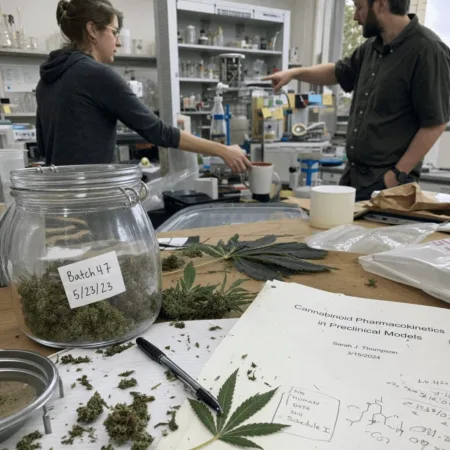
So, what does all this mean for medical marijuana and PTSD? On one side, you’ve got a vibrant chorus of voices—doctors, researchers, industry leaders, and patients—arguing that medical cannabis is transforming mental health care. As Dr. Sue Sisley, renowned cannabis researcher, told Marijuana Moment: “For many with PTSD, conventional medications fail. Cannabis may offer hope when nothing else does.” The transformation extends beyond traditional treatments, as therapies such as psychedelic-assisted recovery are also gaining traction among veterans, as highlighted in emerging approaches to mental health recovery for veterans. Critics raise concerns about dependency and cognitive impacts, particularly in vulnerable populations. Still, ongoing studies from the Multidisciplinary Association for Psychedelic Studies (MAPS) are starting to clarify which patient profiles benefit most. The cannabis community calls for robust, transparent clinical trials, urging the government to lift research barriers so science can finally catch up to public interest.
Looking Forward: The Future of Medical Marijuana and PTSD Treatment
Despite questions, momentum is on the side of reform and research. States are fine-tuning their rules, doctors are refining their recommendations, and patients are sharing compelling stories of progress. The focus on safety, oversight, and more nuanced prescribing points toward a brighter, more responsible future for medical marijuana and PTSD. Industry insiders anticipate expanded insurance coverage, improved product labeling, and wider research access as laws continue to evolve. According to NORML, the public’s support for medical marijuana treatment keeps climbing. With science, regulations, and culture in sync, it’s likely that cannabis will remain a vital option for PTSD patients for years ahead—perhaps with fewer roadblocks and a lot more clarity.
Originally reported by: statnews.com


3 Comments
Pingback: Texas hemp regulations: What growers must know in 2024
Pingback: Veterans Cannabis Marketing: Tap Into a Loyal Community
Pingback: CBD Medicare Coverage: What You Must Know Before You Buy