


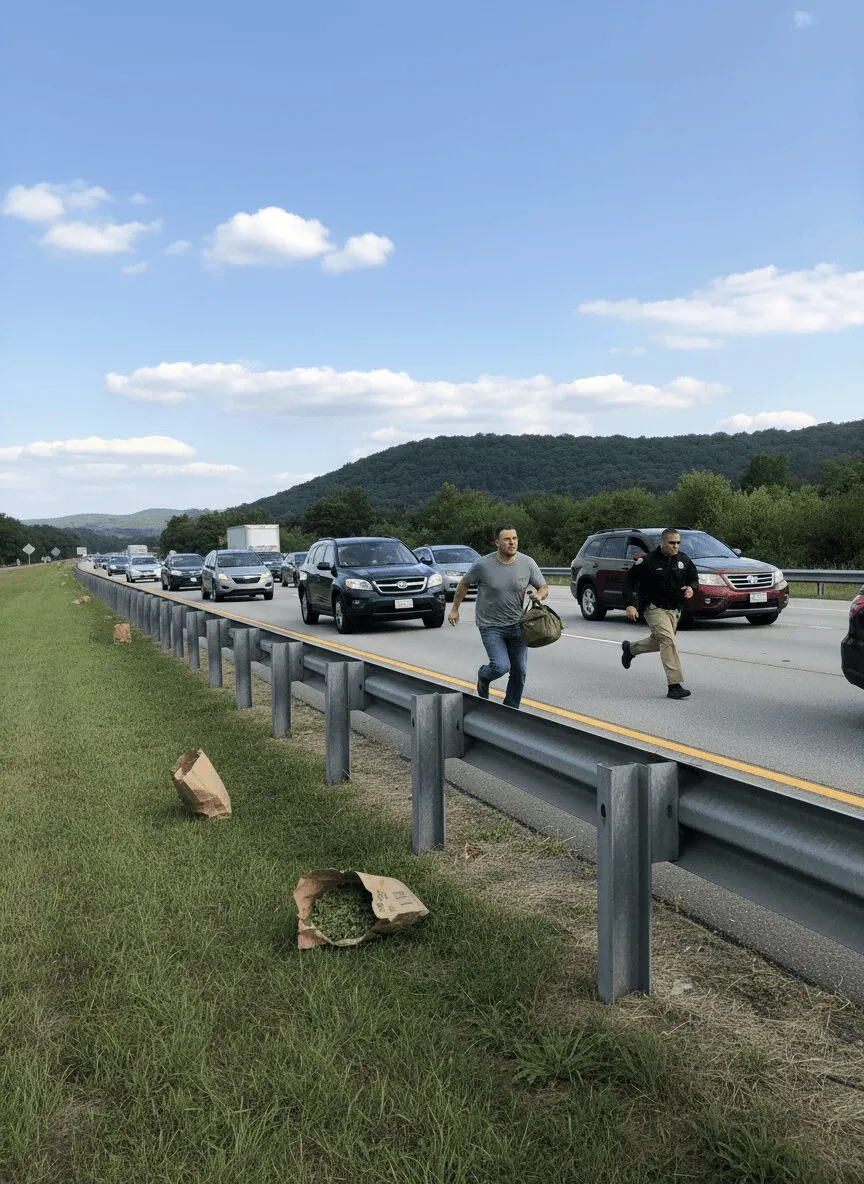
Shocking drug trafficking arrest I-26: Man Flees Into Traffic
The recent drug trafficking arrest I-26 isn’t just another headline—it’s a snapshot of how America’s evolving cannabis laws collide with old-school enforcement. As cannabis reform sweeps across the nation, scenes like this highlight deep tensions and raise complex questions. This case saw a man flee officers right into live traffic, cannabis bags flying, and a dramatic chase unfolding in broad daylight. With the focus keyword “drug trafficking arrest I-26,” we’ll dive into what happened, why it matters for both the cannabis community and the public, and what it says about emerging trends in law, risk, and perception.
The Current Cannabis Landscape, Legal Risks, and Interstate Tensions
Let’s get real for a sec, despite massive growth and booming cannabis sales in the U.S. (statista.com), federal prohibition still means serious legal drama, especially at state borders and on major interstates like I-26 that cut through prohibition and reform territories. Even where cannabis is legal for medical or recreational use, trafficking convictions bring heavy sentences due to outdated federal statutes. Law enforcement agencies, like those in South Carolina, maintain hardline tactics, making cannabis-related stops and seizures routine, especially along heavily traveled corridors notorious for narcotics interdiction according to The New York Times. Meanwhile, shifting social attitudes are evident. According to Gallup, over two-thirds of Americans now support cannabis legalization. While these mainstream opinions haven’t completely alleviated risks for patients or business owners on highways like I-26, it’s worth noting that state-specific cannabis law changes, such as recent regulations in Ohio, reflect broader shifts at the state level. And with every widely publicized drug trafficking arrest I-26, tensions between reform and enforcement spike anew.
Dramatic Events on I-26: What Happened During the drug trafficking arrest I-26
According to a detailed report from WYFF4, the chaos went down midday, when police attempted a traffic stop on I-26, a well-traveled highway linking South Carolina communities. Officers signaled for a vehicle to pull over, suspecting illegal drugs. Instead, one man decided to bolt, abandoning the car and sprinting into live traffic. Eyewitnesses described scenes you typically only see on grainy dashcams: late-model cars slammed brakes, drivers jolted by a suspect darting between bumpers, while officers in unmarked jackets started a full-blown chase. Multiple duffel bags, some ripped open with cannabis spilling out, were left by the roadside as the chase intensified. Police soon subdued the suspect, recovering quantities of marijuana and opening a series of new felony charges including intent to distribute and evading arrest. Department of Justice updates indicate such incidents spark broad community concern, reigniting debates on interdiction priorities versus reform priorities. The whole episode reveals the friction between local enforcement responsibilities and the shifting tide of cannabis acceptance. For example, dramatic incidents in schools have generated similar debates concerning public safety, as seen in reports of marijuana-related school safety incidents in North Carolina. This isn’t just about one man’s run, it exposes the high-stakes tension behind every drug trafficking arrest I-26.
Expert Commentary, Cannabis Policy Insights, and Pro-Cannabis Counterpoints
Now, if you’ve followed the industry for a while, you know stories like this fuel divisive debates. First off, it’s critical to remember that most cannabis professionals are working within the law, pushing for tested, transparent supply chains and retail accountability. High-profile highway busts reinforce fears but rarely reflect modern cannabis commerce, with industry insiders recognizing the complexity of the regulatory environment and the importance of transparent practices similar to those discussed in guides for ongoing cannabis industry survival.
Dr. Ethan Russo, respected researcher and author, puts it clearly: “Criminalization doesn’t make cannabis less accessible; it only drives it into riskier territories.” (Project CBD). The drug trafficking arrest I-26 is a symptom of policies lagging behind science and social appetite. Rather than investing in further interdiction, experts suggest reallocating resources to education, harm reduction, and rational legal reform.
The fact is, cannabis is already a multi-billion-dollar national commodity (Leafly), creating jobs, tax revenue, and innovations in health and wellness. Most arrests, like the drug trafficking arrest I-26, highlight the costs of punitive drug policies, disproportionately targeting certain populations and clogging court systems. As public opinion grows bolder, so does demand for policy justice and reform over outdated, fear-based tactics. Counterpoints? Absolutely. It’s not about ignoring security or public safety, but realigning priorities so enforcement resources address genuine threats rather than criminalizing peaceful commerce.
The Road Ahead: Reform Momentum After the drug trafficking arrest I-26
The drug trafficking arrest I-26 will linger in headlines, reminding us of urgent industry, legal, and cultural conversations. But the bigger trend is unmistakable: sustained demand for rational reforms is shifting laws, building safer markets, and reshaping social attitudes. According to NORML, 2023 set records for state-level legalization and expungement efforts. Soon, tales of dramatic roadside busts could become relics—outpaced by transparency, compliance, and normalization. Every news cycle, every reform milestone, chisels away at stigma and opens doors for fairer, safer access. For patients, professionals, and advocates, there’s never been a better moment to shape the next chapter—driven by facts, community, and hope for what’s ahead.
Originally reported by: wyff4.com