Leech Lake cannabis cultivation: No Entry for Non-Members
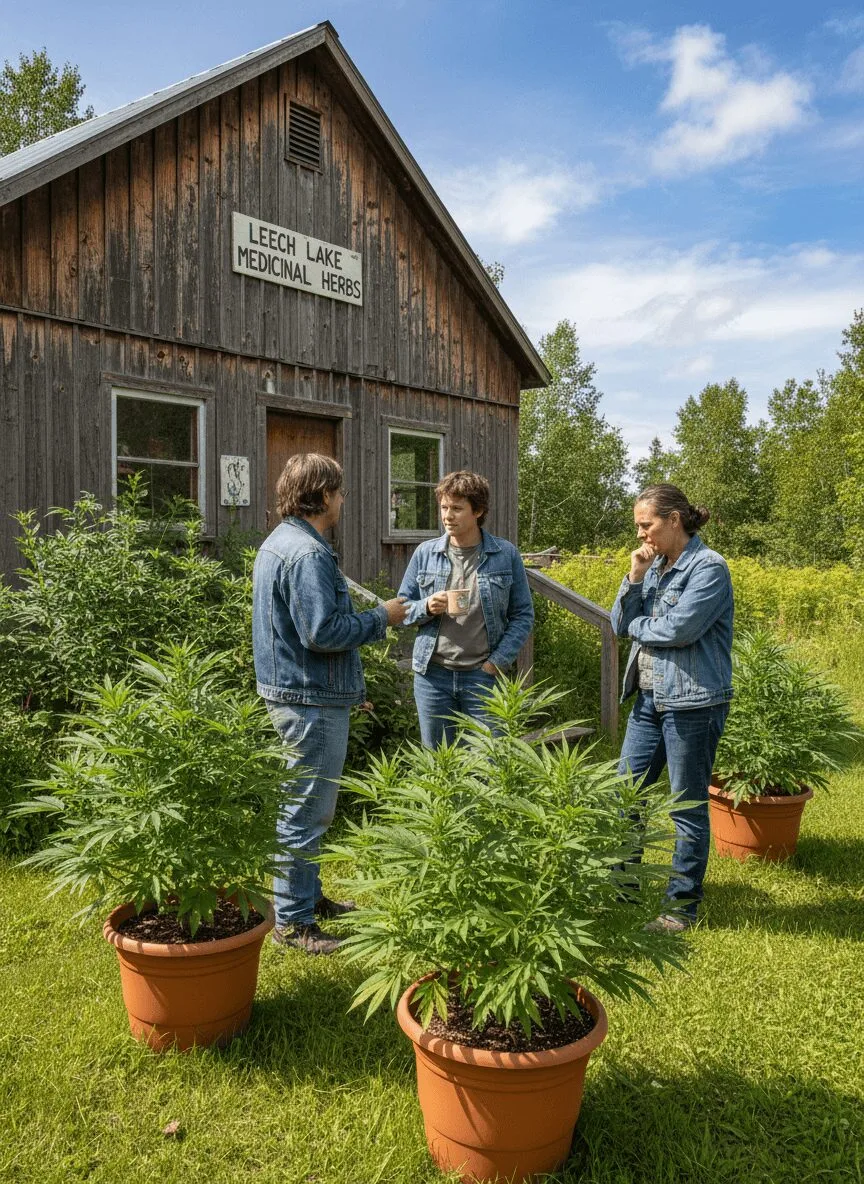
Right now, the spotlight is shining bright on the Leech Lake cannabis cultivation scene. Tribal sovereignty, local opportunity, and statewide cannabis expansion are all colliding in Minnesota. With Minnesota opening its legal market in 2023, every community is scrambling to claim its spot—yet, the Leech Lake Band just drew a clear line: if you’re not a tribal member, don’t expect to grow cannabis here anytime soon. This tight stance comes as policymakers, patients, and legacy growers watch tribal moves for clues about the state’s future. Here’s the lowdown on what’s happening, why it matters, and how it shapes Leech Lake cannabis cultivation for years to come.
Background: Tribal Sovereignty, State Law, and the Crop That Used to Be Contraband
Let’s set the stage. Tribal sovereignty gives recognized Native American tribes unique authority to regulate businesses and agriculture on reservation land. As explained by Minnesota Public Radio News, this isn’t just a technicality, it’s a foundational right. The state of Minnesota legalized recreational cannabis in 2023, creating rapid growth in licensed farming and retail. However, tribes are recognized as separate governments, allowing them to set their own cannabis policies, which often outpace or differ starkly from state rules. When it comes to Leech Lake cannabis cultivation, this means tribal authorities decide who grows, sells, and benefits. Many tribes, like those on Red Lake Nation, have moved fast to open dispensaries or announce local cannabis business plans. But not all tribal policies look the same, with some tribes viewing the green rush as a way to reclaim agricultural self-determination. Others see it as a risk for exploitation if outsiders are let in too soon. For example, recent stories about neighboring state’s medical marijuana campaigns illustrate how different approaches to legalization can influence local markets and strategies. The Leech Lake Band is taking the cautious route, focusing on member-driven economic growth and keeping outside investors at arm’s length. This approach reflects historical trauma, trust issues around external exploitation, and the deep significance of local control in tribal governance.
Key Developments: Leech Lake Draws a Line, No Non-Member Cultivation
According to the latest story by Lakeland PBS, the Leech Lake Band of Ojibwe issued an unambiguous policy: non-members cannot operate cannabis cultivation facilities on reservation land. The statement, released in June 2024 by Leech Lake’s Business Licensing Department, clarified longstanding rumors about outside companies looking to invest. Officials explained there simply isn’t, and won’t soon be, a formal pathway for non-members to apply for commercial cannabis grow licenses. Tribal Secretary Ben Weaver noted, “We want to make sure this industry brings jobs and security to our people first.” The Band emphasized that only Leech Lake Band members, or approved businesses with major tribal ownership, may participate in farming, production, or processing. This hard boundary responded directly to inquiries from at least one outside cannabis firm earlier this year (though the firm remains unnamed). The Band’s position is consistent with key decisions from other tribal governments in recent months, such as the White Earth Nation and Shakopee Mdewakanton Sioux, both of whom moved to prioritize tribal members in their cannabis business eligibility. This approach helps Leech Lake avoid legal headaches, social conflict, and unwanted attention from outside speculators, at least for now, while reflecting much larger national debates about who should benefit from the cannabis sector. In some states, public schools are dealing with an uptick in student cannabis cases, echoing concerns found in reports like new studies on student cannabis possession and their effect on communities.
Expert Insight: Why Leech Lake’s Conservative Approach Matters
If you’re deep in the cannabis game, you get it: this isn’t just about plants, it’s about power, history, and who gets the first shot at green profits. According to industry expert Hilary Bricken, as quoted by Canna Law Blog, “Tribes have the right, legally and morally, to decide on their own cannabis policies. Non-member entrepreneurs should expect long waits and local resistance.” Restricting Leech Lake cannabis cultivation to tribal members isn’t anti-business, it’s about strengthening local economies and guarding against repeat scenarios where outside interests profit while Native communities see little benefit. Early evidence supports this: MJBizDaily reports that states and tribes with strict local control tend to reinvest more revenue into health, education, and infrastructure. However, for every cautious approach, there are cases elsewhere—such as the evolving Army’s cannabis recruitment policy—demonstrating how institutional policies are changing in response to new economic and social priorities. These lessons may help Leech Lake and other tribes balance local benefit with the potential for broader growth.
The Road Ahead: What’s Next for Leech Lake Cannabis Cultivation?
Looking forward, the Leech Lake Band’s stance may influence how other Minnesota tribes and counties shape their own cannabis programs. As more states and tribal councils open up, local control is a trend you’ll keep seeing—balancing market demand with community priorities. The opinion of the National Organization for the Reform of Marijuana Laws (NORML) is clear: with well-crafted rules, tribal programs can create meaningful jobs while preserving culture and economic autonomy. Expect adaptation as regulations mature and markets stabilize—maybe in time, pathways will open for vetted outside partnerships. For now, Leech Lake cannabis cultivation remains a tribe-first affair, building foundations for a vibrant, self-determined cannabis sector. As Minnesota keeps riding the green wave, Leech Lake’s decision shows how sovereignty and smart policy come together in this new era of cultivation.
Originally reported by: lptv.org