




Illegal Cannabis Dispensary Closure: Why Laurelton Store Was Shut Down
The recent illegal cannabis dispensary closure in Laurelton is making waves across New York’s cannabis scene. As the local market shifts and new regulations intensify, enforcement remains a hot topic for every operator and consumer. This closure isn’t just about a padlocked storefront—it’s about balancing community safety, evolving laws, and the realities of the legacy market. Here’s why the story matters now and what it signals for cannabis businesses everywhere.
Understanding the Regulatory Landscape Behind Illegal Cannabis Dispensary Closure
The cannabis industry in New York is traveling a shaky road. Since the legalization of adult-use cannabis, regulatory bodies, like the New York State Office of Cannabis Management, have been scrambling to set up responsible retail frameworks. Yet, with high licensing barriers and lingering stigma, underground shops keep cropping up, challenging an industry already under scrutiny. Similar enforcement efforts in other regions, such as major marijuana raids in Clackamas County, show the nationwide challenges in maintaining a consistent approach. Bronx, Brooklyn, and Queens communities have seen a surge in these spots, raising questions about fairness and consistency in enforcement (The New York Times reports). For neighborhoods like Laurelton, this illegal cannabis dispensary closure spotlights the complex dance between regulators, legacy operators, and everyday New Yorkers just looking for safe access.
Key Developments & Issues in the Laurelton Illegal Cannabis Dispensary Closure
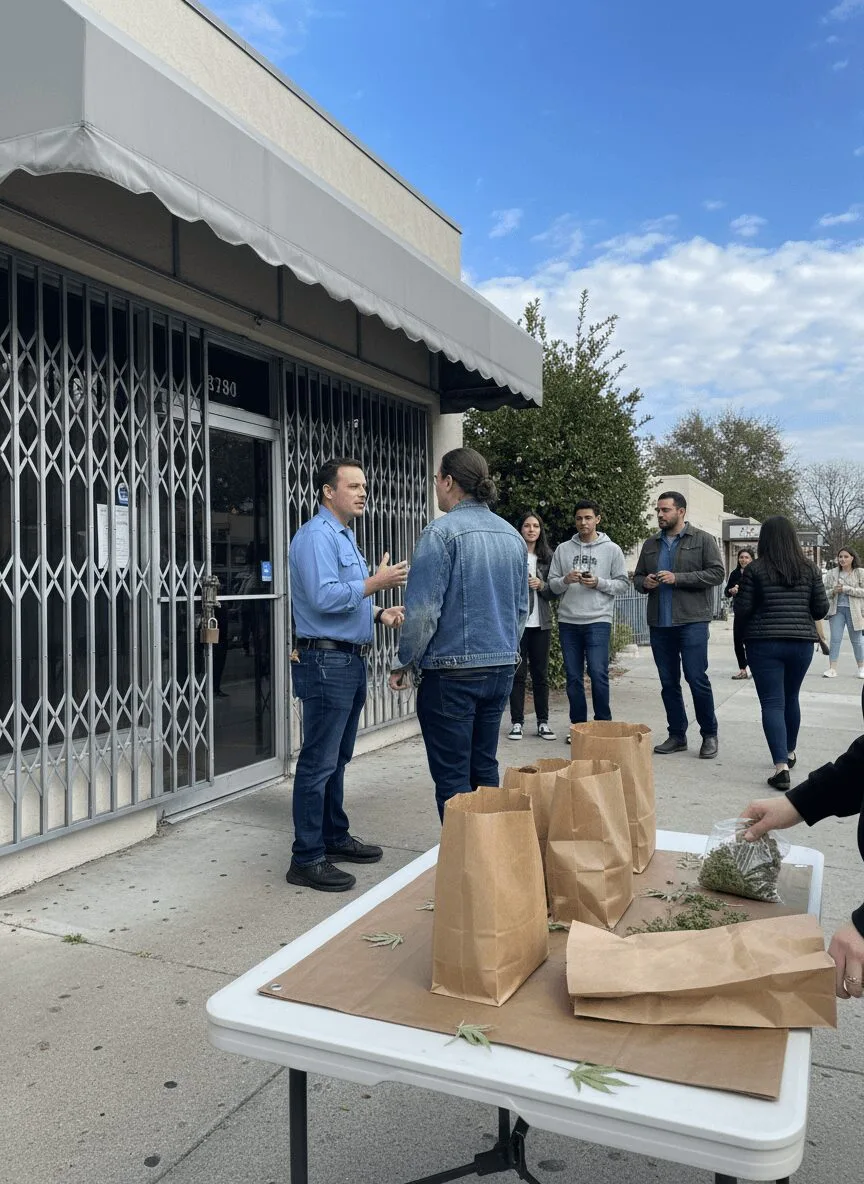
The recent crackdown in Laurelton centers on a single-storefront operation, closed and padlocked under the directive of Queens District Attorney Melinda Katz. According to official Queens DA reports, law enforcement executed the closure after repeated warnings and compliance checks failed. The store allegedly sold unregulated cannabis products without the proper state licensing. In early June 2024, uniformed officers served a padlocking order, securing the property and seizing product. This strict law enforcement action mirrors developments seen elsewhere, like measures that expanded medical cannabis permits in Georgia, reflecting shifting priorities in cannabis oversight. Evidence—including brown paper evidence bags and cannabis leaves—was processed, as seen in recent on-the-ground coverage. Locals voiced mixed reactions: some applauded increased safety, while others questioned displacement of longstanding neighborhood vendors. This illegal cannabis dispensary closure demonstrates the city’s renewed focus on targeting non-compliant operators amid pressure from state regulators and licensed retailers.
Expert Analysis & Insights: The Broader Impact of Illegal Cannabis Dispensary Closures
The Laurelton shutdown isn’t unique, it is just one signal flare in a much larger regulatory story. Industry experts, including MJBizDaily, note that such closures often reflect deeper issues with cannabis licensing frameworks and market accessibility. As Leafly points out: “When the rules for legal access aren’t clear or fair, unlicensed dispensaries will keep popping up. Real reform means affordable licenses and pathways for small operators.” This mirrors similar situations, like how cities are examining marijuana tax revenue distribution to improve equitable access and social impact. This sentiment echoes across New York’s cannabis sector, where legacy players feel squeezed out by red tape. Illegal cannabis dispensary closure actions often highlight the urgent need for regulatory transparency and equity-focused reform that brings longtime cannabis providers into the legal marketplace, not just out of it. Policy experts agree, closures without community engagement risk pushing buyers and small vendors further underground, undermining public health and economic opportunity.
Future Outlook & Conclusion: Shaping a Better Path for Cannabis in New York
Looking ahead, the illegal cannabis dispensary closure in Laurelton serves as both a lesson and a challenge for New York’s cannabis ecosystem. Advocates and policymakers alike agree that true progress depends on fair rules, community input, and support for small business transition. As public attitudes warm and national support for legalization hits record highs, it’s only a matter of time before enforcement shifts from punitive to restorative. Until then, stories like this remind us: cannabis culture thrives on resilience and adaptation. With ongoing dialogue, policy reform, and recognition of legacy operators’ value, the future promises more opportunity, fairness, and community collaboration for everyone in New York’s evolving market.
Originally reported by: queensda.org


1 Comment
Pingback: FDA CBD compliance enforcement: White House Action Revealed