Mt. Juliet traffic drug bust: Shocking Details Revealed
The phrase “Mt. Juliet traffic drug bust” is making headlines after a recent high-profile police incident stirred intense local debate. In an era where cannabis laws are evolving rapidly across Tennessee and beyond, a dramatic roadside bust like this doesn’t just impact those arrested—it shapes perceptions, policy debates, and the future of cannabis in our communities. This story isn’t just about police lights and evidence bags. It’s about how changing drug laws, local enforcement, and grassroots cannabis culture all collide in everyday life. Below, we dive deep into what happened, why it matters, and where the cannabis conversation is headed from here.
Background: Cannabis Laws & Social Climate in Tennessee
Let’s set the scene. Tennessee’s cannabis law is, well, stricter than a grandma’s cookie stash, possession remains illegal for both recreational and medical use, with the exception of minimal medical CBD (source: Marijuana Policy Project). Meanwhile, statewide and national momentum is trending green. Neighboring states like Virginia and Arkansas are tweaking regulations, and federal rumblings about policy reform create a climate of uncertainty. Culturally, cannabis is way more mainstream than lawmakers admit. According to NORML, public support for legalization is surging, especially among younger, suburban populations—just like those living in Mt. Juliet. When we see places reaping the rewards of regulated cannabis industries, like New Buffalo Township in Michigan, it highlights how cannabis revenue is fueling community investment and change elsewhere. The result? Law enforcement faces constant tension, trying to follow tough statutes while addressing the reality that cannabis use is woven into everyday life, not just a criminal subculture.
Key Developments: The Mt. Juliet Traffic Drug Bust Unpacked
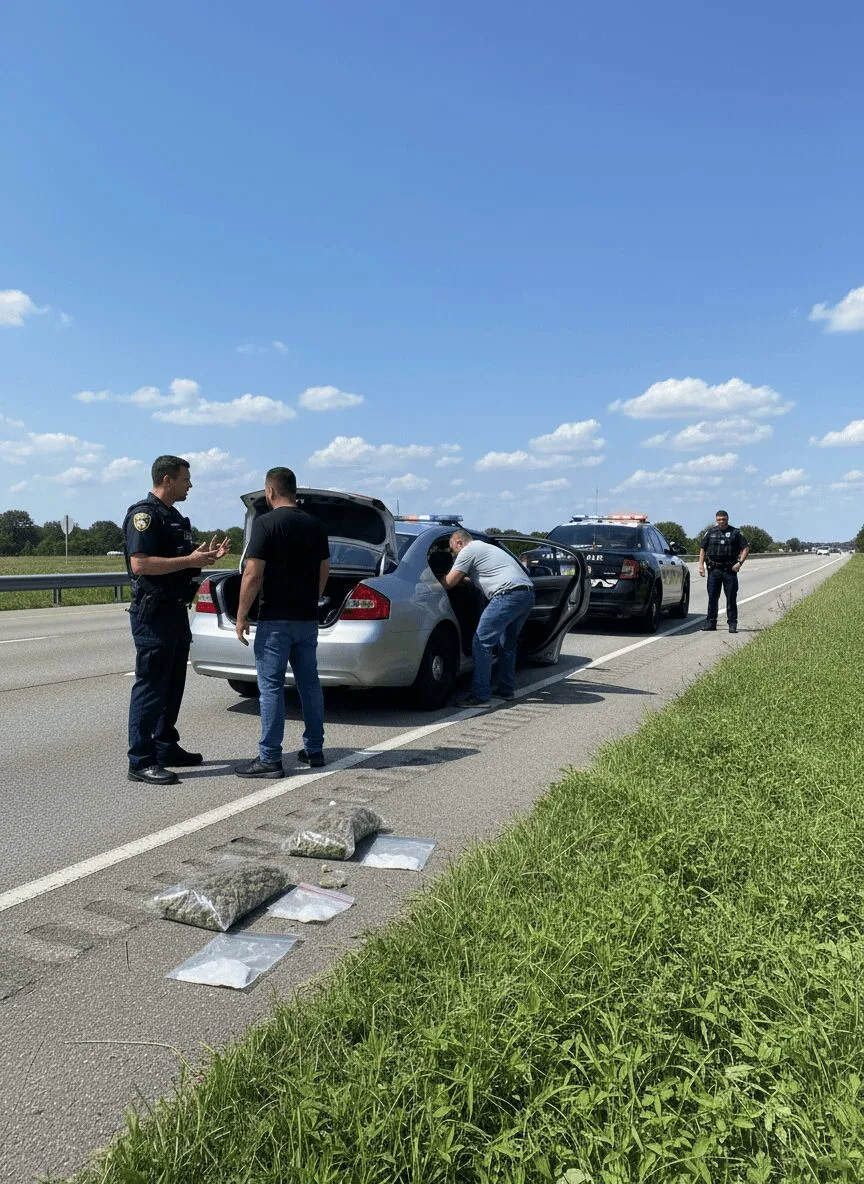
The recent Mt. Juliet traffic drug bust rapidly drew media attention when, during a routine roadside stop, police discovered what authorities allege were substantial amounts of marijuana and suspected narcotics stashed in a vehicle (see full coverage at FOX 17 Nashville). Multiple officers engaged in a daylight search just off a well-traveled route, which resulted in the arrest of the vehicle’s occupants. Key details revealed at the scene included clearly marked evidence bags with green cannabis bud and several unlabeled baggies believed to contain illicit substances. According to police reports, the stop was prompted by a traffic violation escalated by “suspicious behavior”, a common pretext that often captures both genuine criminal activity and individuals simply unlucky enough to fit a profile. Officials noted that distribution charges could result, given the quantity allegedly recovered. If you’re interested in similar high-profile cases, read about a recent methamphetamine and marijuana traffic stop that shocked the public in 2024.
Local authorities emphasized that fentanyl was also suspected to be present among the seized substances. As described by Tennessee Department of Safety, state statutes mandate severe penalties for possession, especially when “intent to distribute” can be argued. The high visibility of the bust, police cars, officers, flashing lights, and evidence, instantly made it a touchstone for local debates on drug enforcement priorities and cannabis law reform.
Expert Analysis: Industry Insights & Counterpoints
Let’s get real, snap roadside busts like the Mt. Juliet traffic drug bust show just how out of sync some enforcement practices are with everyday lifestyles in 2024. According to Leafly, Tennessee is surrounded by states advancing cannabis reform while stubbornly clinging to outdated laws. The industry knows this landscape creates headaches for consumers, business owners, and police alike. Looking at how some states are working on federal marijuana scheduling, upcoming federal changes could transform how cannabis is viewed nationwide.
As Dr. Amanda Reiman, policy expert with Drug Policy Alliance, has said, “We can’t enforce our way out of the cannabis conversation. Every traffic stop that ends with a cannabis arrest is an opportunity lost for honest policy debate and harm reduction.” When events like this bust hit social feeds, it ignites bigger questions, are we really making communities safer by chasing down possession cases, or is it time to shift toward evidence-backed regulation, public health, and personal freedom?
In recent years, respected outlets like High Times have tracked growing regional support for legalization—even among conservative voters. Adults who choose cannabis aren’t outliers, they’re neighbors, parents, business owners.
The Road Ahead: Progress, Hope, and Cannabis Community Resilience
So, what does the Mt. Juliet traffic drug bust really mean in the long run? It’s a wake-up call: Tennessee sits on the frontlines of America’s evolving cannabis culture war. Each bust, each viral photo, each heated city council meeting pushes the conversation forward—however bumpy the ride. Industry insiders, advocacy groups, and thousands of everyday Tennesseans are fed up with policies that criminalize the cannabis community. Positive momentum is building, and soon, lawmakers will have to address the disconnect between old statutes and new social realities. The cannabis sector’s resilience, both in business and grassroots movements, shows no signs of slowing. According to Marijuana Moment, regulatory change is just a matter of “when,” not “if”—even in places as traditional as Mt. Juliet. As stigma fades, let’s keep the conversation rolling—beyond the headlines and toward smart, fair reform.
Originally reported by: fox17.com