Ohio THC beverage ban: See How Bars & Breweries React
The Ohio THC beverage ban is causing a real buzz—and not the good kind. With new regulations forcing bars and breweries to yank hemp-derived THC drinks off the shelves, you can almost feel the tension every time someone orders a round. Ohio’s vibrant beverage scene just got a hard reality check, testing the state’s appetite for cannabis-infused innovation and the resilience of local businesses. If you’re wondering what it means for consumers, bar owners, and the entire industry, you’re not alone. Let’s break down why the Ohio THC beverage ban is shaking things up right now.
Regulatory Background: Ohio’s Cannabis Landscape at a Glance
To really get the significance of the Ohio THC beverage ban, you need a grip on how cannabis law has played out statewide, as well as across the country. Like many states, Ohio green-lighted hemp products after the 2018 Farm Bill made hemp legal at the federal level (FDA). That opened the door for a wave of hemp-derived products, from oils to edibles to sparkling THC beverages. But federal approval never meant a statewide free-for-all. Ohio regulators, guided by the State Board of Pharmacy and Division of Cannabis Control, remained uneasy about the rise of low-dose THC drinks. The landscape in Ohio has shifted dramatically after the most recent marijuana law changes that sparked a major shift statewide. As these beverages started flying off shelves in bars and breweries, places not covered by dispensary licensing, the tension has only escalated, especially with public conversations heating up around recreational cannabis. The new ban comes as Ohio is searching for its regulatory balance, weighing innovation against oversight. The state aims to clarify what qualifies as legal cannabis sales, especially in mainstream hospitality venues where products reach a broad, sometimes unsuspecting audience.
Main Developments: Bars, Cans, and a Statewide Last Call
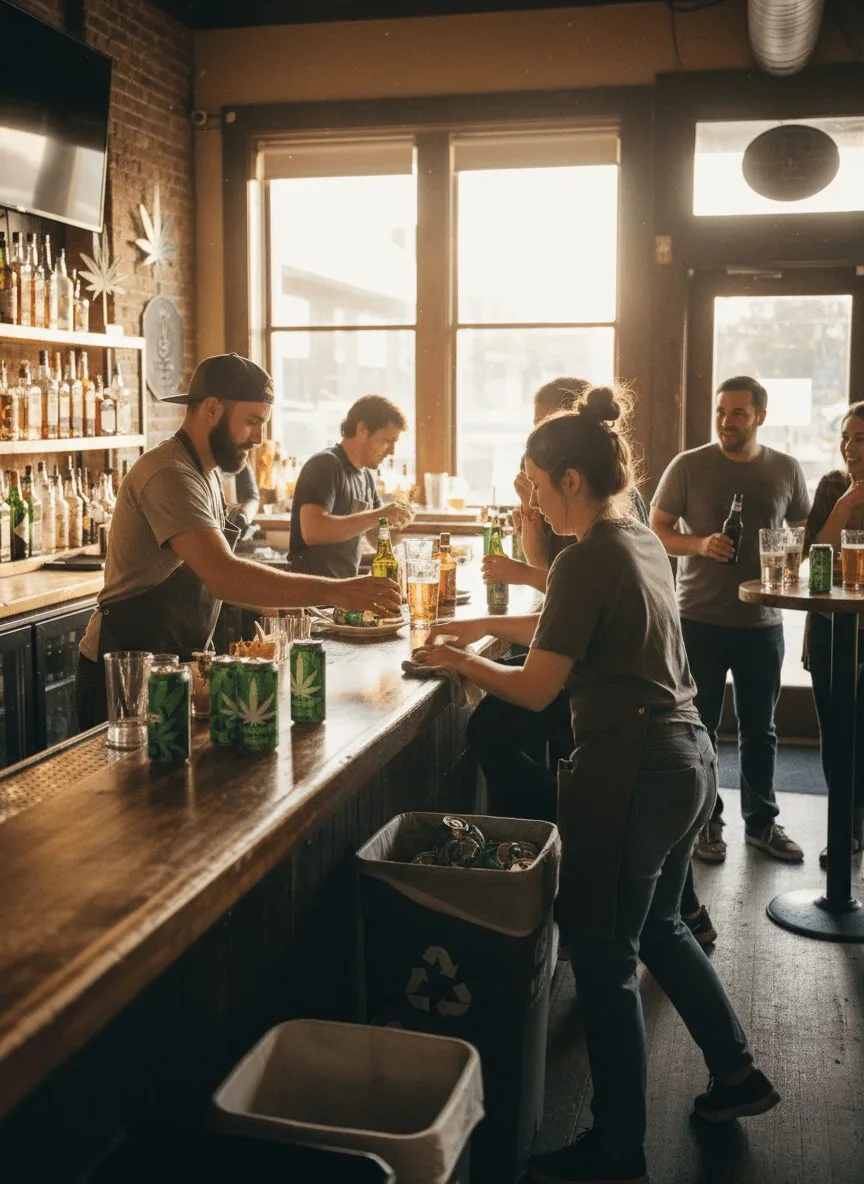
Here’s the real headline: As reported by MJBizDaily and regional sources, Ohio’s Division of Cannabis Control recently issued a hard stop on hemp-derived THC beverage sales in bars, restaurants, and breweries, effective May 31, 2024. That means your local hangout may have poured its last legal cannabis seltzer well before summer even started. This swift move hit both indie bars and big craft breweries: Notably, Cleveland’s Terrestrial Brewing Company and Franklinton’s Land-Grant Brewing had to clear shelves of popular flavors. Small business owners scrambled as compliance notices landed, while beverage distributors hustled to redirect inventory elsewhere. Legal specifics clarified that only licensed cannabis dispensaries may offer THC beverages in Ohio, targeting loopholes that previously allowed public sale in non-dispensary locations. If we look at related regulatory approaches elsewhere, we see that broad changes in cannabis taxation, such as those recently proposed in Colorado, have major consequences for how both alcohol and cannabis products are sold and consumed. The Division cited consumer protection and product consistency as driving reasons, but left many operators stunned by the lack of grace period or prior consultation. Industry insiders and hospitality groups aired concerns publicly, with some calling the shift abrupt and pointing to customer demand for safe, legal alternatives.
Expert Insights: Navigating a Rocky Transition
Let’s be blunt, the Ohio THC beverage ban is a classic tug-of-war between safety and access, prompting serious reflection for cannabis advocates and regulators alike. Seasoned industry voices have weighed in. According to Marijuana Moment, regulatory moves like this can ‘have an outsized impact on innovation and consumer choice if not handled with clear communication.’ Jesse Henson, founder of a Midwest beverage distributor, told MJBizDaily: “Ohio is missing a key opportunity to regulate, educate, and benefit local business, the alternative is watching commerce move underground or out of state.” The situation also highlights how fragmented U.S. cannabis law remains, especially for infused drinks. Bold changes in cannabis banking reform are also creating new opportunities and barriers for the industry as a whole. With Forbes and leading analysts noting a surge in low-dose, social-friendly options, many experts say bans won’t erase consumer demand. Instead, there’s growing consensus that policy must adapt quickly to fast-evolving products. Ohio’s rapid ban reveals gaps in regulatory communication and support for small businesses, leaving many to wonder who’s really being protected here: consumers, or traditional alcohol sales?
The Future: Bumps, But Plenty of Green Ahead
Sure, the Ohio THC beverage ban stings—but this is just another twist in the cannabis playbook. If national trends are any hint, temporary restrictions have rarely been the end of the story. Regulatory hiccups tend to push both industry and lawmakers to evolve. As demand for cannabis drinks keeps growing and mainstream acceptance spreads (look at Brookings Institute research), states like Ohio are under pressure to craft fair, forward-thinking rules that keep public safety and business open. Expect more advocacy, public debates, and, hopefully, a path that lets innovative products thrive—without driving consumers or entrepreneurs underground. One thing’s for sure: this community knows how to adapt. For now, Ohio’s THC drinks may be shelved, but the conversation (and creativity) around cannabis in hospitality has only just begun.
Originally reported by: mjbizdaily.com