





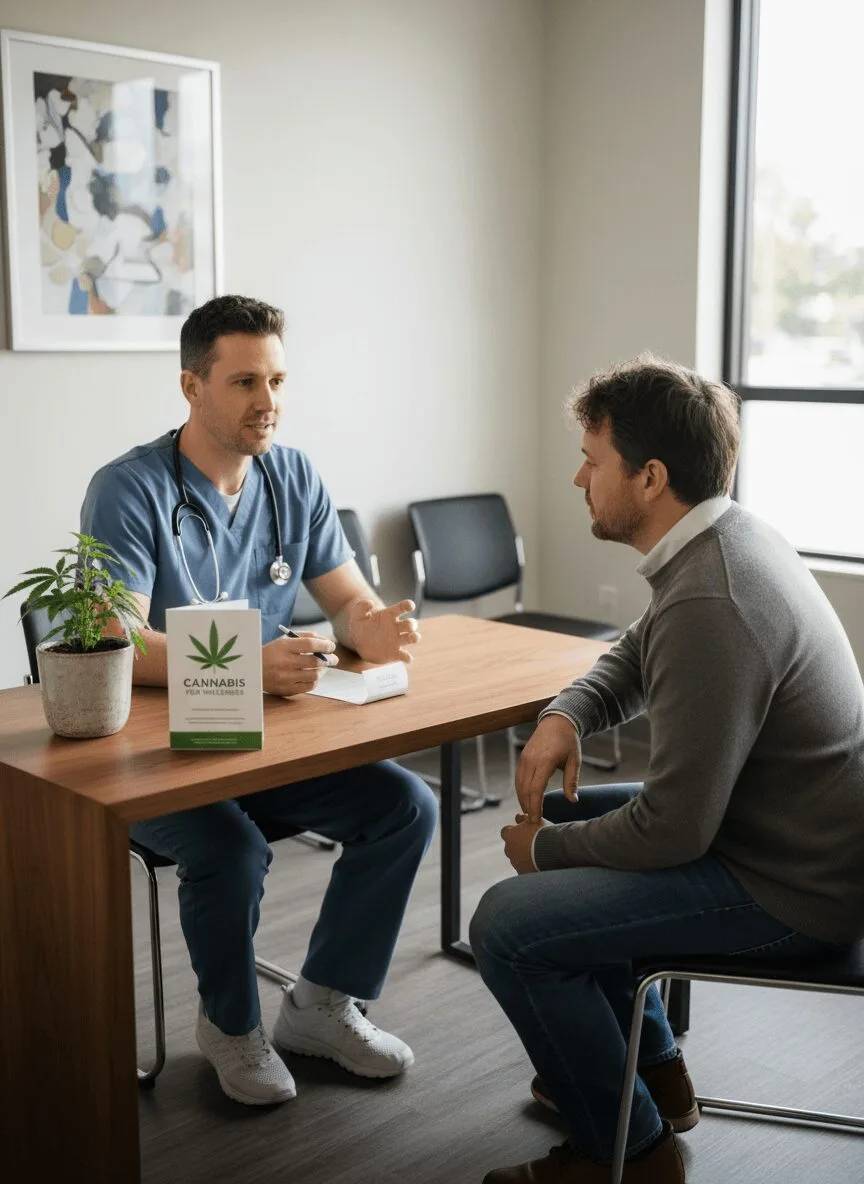
Cannabis Clinical Treatment: Transforming Patient Care Today
The world of healthcare is buzzing about cannabis clinical treatment. Patients and professionals see a surge in demand as research grows. We’re now seeing groundbreaking shifts in how clinics approach chronic pain, anxiety, and more. This article dives deep into why cannabis clinical treatment is trending, key policy moves, and expert takes—laying it all out for advocates, skeptics, and the curious alike.
Understanding the Shift: Cannabis Clinical Treatment in Today’s Healthcare
The journey to legal, mainstream cannabis clinical treatment didn’t happen overnight. Decades of activism, patient testimony, and new medical studies are driving change. Policies once rooted in stigma are gradually being replaced by science-backed regulation. Today, most U.S. states allow medical cannabis use in some form, and countries like Canada and Germany are close behind. According to the National Institutes of Health, the evidence keeps stacking up for cannabis’s therapeutic potential. Social acceptance is also growing, with recent polling from Pew Research Center showing nearly 9 in 10 Americans support some form of legal use. This open-mindedness is reflected in market growth, with projections showing the U.S. cannabis market exceeding $50 billion by 2028. With evolving regulations, major licensing changes in places like Virginia illustrate how regulators are now focused on product safety, reliable dosing, and clinical oversight, prompting more clinics to embrace cannabis clinical treatment as a core service.
Major Developments: How Cannabis Clinical Treatment Is Shaping Modern Medicine
Let’s break down what’s really happening: the shift toward cannabis clinical treatment is more than just a policy change, it’s altering everyday care in clinics everywhere. According to a recent Health Europa report, clinics in states like Illinois, California, and New York now integrate cannabis into pain, PTSD, and anxiety regimens. For instance, since March 2026 (as first reported by Behavioral Health Business), patient enrollment for medical cannabis in outpatient facilities has risen sharply, especially among older adults seeking alternatives to opioids. Major insurers are exploring pilot programs, and the FDA has signaled interest in developing consistent product guidance after recent Congressional hearings. Clinics now display literature on cannabis clinical treatment right alongside standard therapies. States like Minnesota and Connecticut have expanded qualifying conditions, legitimizing the trend with data from clinical trials. This is similar to the changes seen with recent adjustments to marijuana laws in Virginia, legitimizing the trend with updated regulatory data. The key takeaway, cannabis clinical treatment is no longer niche. It’s crossing over into mainstream practice with regulatory momentum at its back.
Expert Insights: Real Talk on Cannabis Clinical Treatment
It’s one thing to talk stats, it’s another to see lives improved. Experts universally agree cannabis clinical treatment gives patients options when traditional medicine falls flat. Forbes recently quoted Dr. Ethan Russo, a neurologist and renowned cannabis researcher: “Cannabis clinical treatment has filled a gap in patient care that pharmaceuticals alone cannot address.” That’s powerful stuff. Beyond pain management, clinics observe quick wins for PTSD, insomnia, and cancer-related nausea. But this isn’t a free-for-all, clinicians stress the importance of careful dosing, patient education, and follow-up. As Healthline outlines, cannabis isn’t risk-free, patients with a history of psychosis or young people need cautious supervision. The broadening acceptance around the country is similar to how recent events in cities like Rochester have ignited public discussion about the role of legal cannabis. Overall, though, experts believe we’re seeing just the tip of the iceberg. New consumption methods, like vaporizing and sublingual oils, make precise administration easier. That’s why clinics are continuing to elevate their standards, they want cannabis clinical treatment to lead by example and avoid the mistakes of Big Pharma’s past.
The Road Ahead: Cannabis Clinical Treatment’s Bright Future
Let’s be honest: cannabis clinical treatment is blazing a new trail (no pun intended) in healthcare. Pioneering clinics, forward-thinking policymakers, and ever-savvier patients keep this movement rolling forward. Major regulatory bodies, including the FDA, are laying the groundwork for more robust safety and efficacy standards, with guidance expected soon. According to the Marijuana Policy Project, we’re on the verge of a future where personalized cannabis care stands alongside top conventional therapies. The stigma is fading, acceptance is rising, and momentum is unstoppable. If trends hold, tomorrow’s cannabis clinical treatment won’t just be another option—it’ll be essential medicine for millions. Patients, practitioners, and families alike now have more choices, better outcomes, and renewed hope. That’s a future worth celebrating.
Originally reported by: bhbusiness.com


1 Comment
Pingback: Cannabis Effectiveness Mental Disorders: Surprising Data Revealed