

Oklahoma medical marijuana: What Losing It Could Cost the State
Right now, the future of Oklahoma medical marijuana is making serious headlines across the state. With the program facing unprecedented legal threats and potential shutdowns, advocates, patients, and business owners are all left wondering: what’s next? If Oklahoma medical marijuana vanishes, what does that mean for patients, the local economy, and the culture that’s grown around it? From the latest regulatory shakeups to market trends that leave folks a bit nervous, we’re unpacking why everyone from lawmakers to budtenders is paying attention and why 2026 looks like a crucial turning point for Oklahoma medical marijuana.
The Roots and Reality of Oklahoma Medical Marijuana
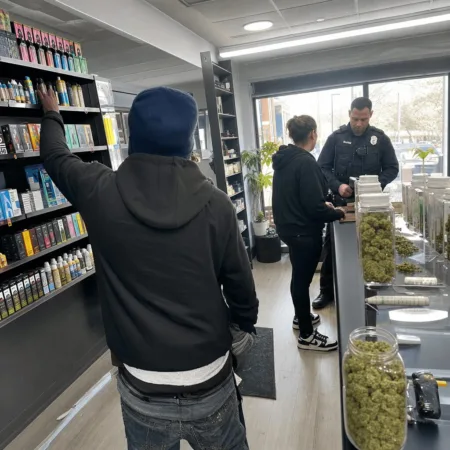
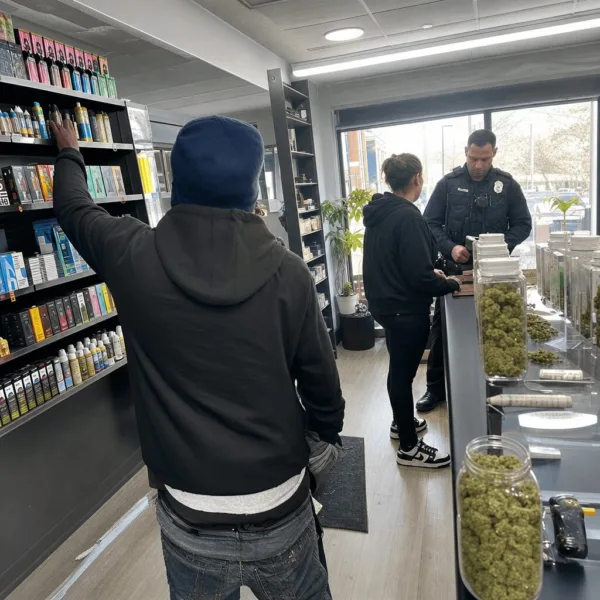
Since its rapid legalization in 2018, Oklahoma medical marijuana has become one of the nation’s most vibrant and accessible cannabis markets. The law, driven by a citizen referendum, established low barriers to entry, allowing nearly anyone who qualifies with a physician’s recommendation to obtain a card. As noted by Marijuana Moment, Oklahoma’s hands-off stance led to a boom in dispensaries, resulting in more per capita than any other state. Social acceptance quickly grew, with more rural and suburban Oklahomans seeing the medical and economic benefits firsthand, and the supply remained high. Yet, the open model drew intense scrutiny from regulators, with some lawmakers worried about over-saturation and illicit market spillover, themes mirrored nationally as seen when communities debate former dispensary sites, like the Buffalo Grove car wash proposal. Ongoing legal controversies, public safety debates, and pressure from anti-cannabis groups continue to shape the conversation around Oklahoma medical marijuana, setting the context for the current high-stakes regulatory environment.
Legal Showdowns and What’s at Stake for Oklahoma Medical Marijuana
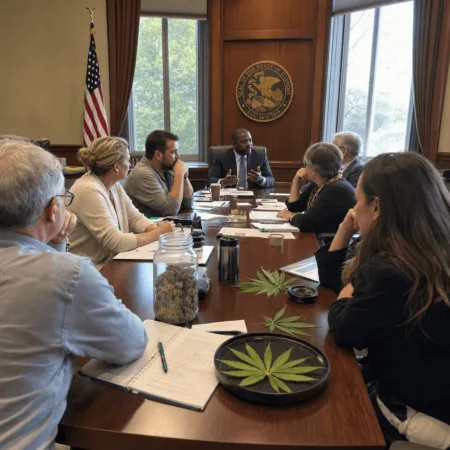
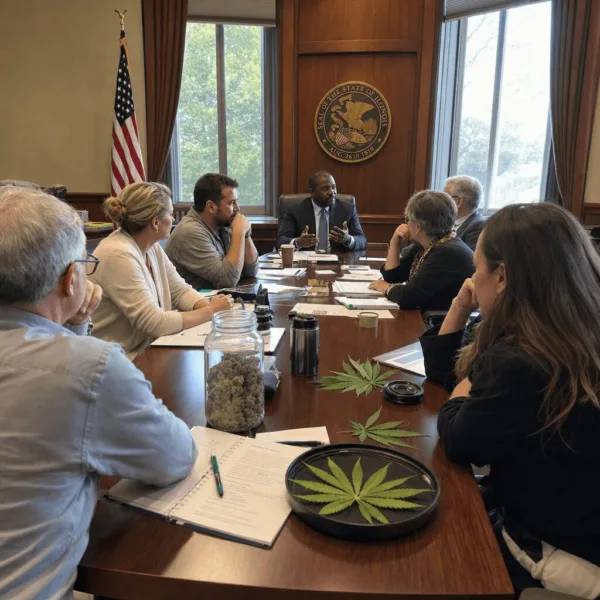
Fast forward to March 2026, according to The Journal Record, a major showdown is brewing that threatens to pull the rug out from under Oklahoma’s medical marijuana industry. Ongoing disputes between the Oklahoma Medical Marijuana Authority (OMMA) and key legislators have escalated after recent amendments to the Oklahoma Medical Marijuana and Patient Protection Act. The OMMA faces litigation over residency requirements for dispensary owners and compliance audits that some describe as excessively punitive. Proposed new restrictions could wipe out hundreds of dispensaries, leaving both patients and workers in the lurch, highlighting disruptions to patient access and raising issues similar to national controversies around the criminalization of cannabis distribution. State Representative Cindy Locher, a longtime critic, pushed legislation in early 2026 that would force the shutdown of non-compliant businesses within 90 days. As reported in the Oklahoma Watch, the legal and financial risks could mean millions in lost tax revenue, mass layoffs, and disrupted patient access. These key developments have ignited debate throughout Oklahoma about the true cost of losing its thriving medical marijuana program.
Expert Insights: The Ripple Effect of Uncertainty in Oklahoma Medical Marijuana
So, what’s the real-world impact of all this regulatory drama? The Oklahoma medical marijuana scene isn’t just about dispensaries and patients, it’s the backbone of countless small businesses, family farms, and innovative entrepreneurs. As Leafly reports, Oklahoma’s loose licensing created thousands of jobs and poured millions into local communities. Restricting or shutting down the program could decimate rural economies where cannabis money supports everything from local restaurants to schools. In this context, the Justice system’s handling of cannabis-related cases, such as a controversial THC-related prison sentence, draws sharp attention to how enforcement decisions ripple through not only businesses but also families. Industry veteran Sarah Womack at Oklahoma Growers Guild put it bluntly, “If Oklahoma medical marijuana goes away, we lose more than just access, we lose our chance at creating new economic opportunities, providing safer medicine, and keeping families together.” Even as lawmakers fret about enforcement, advocates argue the state’s openness has mostly helped keep illicit operators at bay—a point echoed by the National Organization for the Reform of Marijuana Laws (NORML). At the same time, market oversaturation has driven some prices dangerously low, impacting cultivators but benefiting patients desperate for affordable medication. Every move by lawmakers ripples out to affect workers, families, patients, and the culture at large.
Looking Ahead: Is There Hope for Oklahoma Medical Marijuana?
Despite looming threats, the story of Oklahoma medical marijuana is far from over. Many advocates remain bullish on reform and resilience, pushing for smarter regulation rather than shutdowns. As public support continues to rise, and states nationwide move toward broader legalization, Oklahoma’s program could evolve instead of ending—offering a model that balances patient access with responsible oversight. According to Cannabis Business Times, patient demand and grassroots activism might ultimately pressure lawmakers into collaboration, not confrontation. For now, the core message is clear: Oklahoma medical marijuana isn’t just about cannabis—it’s about health, livelihoods, and community. With determination and level-headed policy changes, Oklahoma could emerge stronger, safer, and more inclusive than ever before.
Originally reported by: journalrecord.com