


New York hemp industry crisis: What’s really happening now?
The New York hemp industry crisis is dominating conversations among policymakers, growers, and cannabis enthusiasts. Why? Sweeping changes in state regulations, market oversaturation, and economic unpredictability have collided to create an urgent, industry-defining situation. From field to dispensary, passionate hemp entrepreneurs are facing legal hurdles and financial pressure. We’ll break down the core reasons this crisis matters so deeply: its economic impact, the future of local farms, and what it signals for the evolving U.S. cannabis landscape.
How Did We Get Here? Background & Deep Context
To understand the New York hemp industry crisis, you’ve got to rewind to 2018, when the 2018 Farm Bill federally legalized hemp. New York rapidly rolled out a framework, hoping to become an East Coast trailblazer. Thousands of cultivators and processors jumped in, building businesses on optimistic projections, especially for CBD wellness products. Fast forward, and regulation has flipped the script. According to New York State Department of Agriculture & Markets, licensing rules are now stricter, testing protocols more expensive, and legal uncertainty has become a constant headache. Socially, the rise in consumer curiosity about cannabis health benefits, mirrored by recent national cannabis reforms, created huge hype and even bigger expectations. At the same time, the patchwork of federal and state regulations left the industry exposed, with differing THC limits and food law ambiguity adding constant risk. Regulatory confusion has also been echoed in other states navigating recent marijuana policy shifts, tying into debates over marijuana rescheduling and bipartisan reactions across the country. In short, today’s New York hemp industry crisis is the result of years of hope, hype, and regulatory whiplash merging beneath the Empire State’s sunny fields.
The Key Developments & What’s Pushing Growers to the Brink
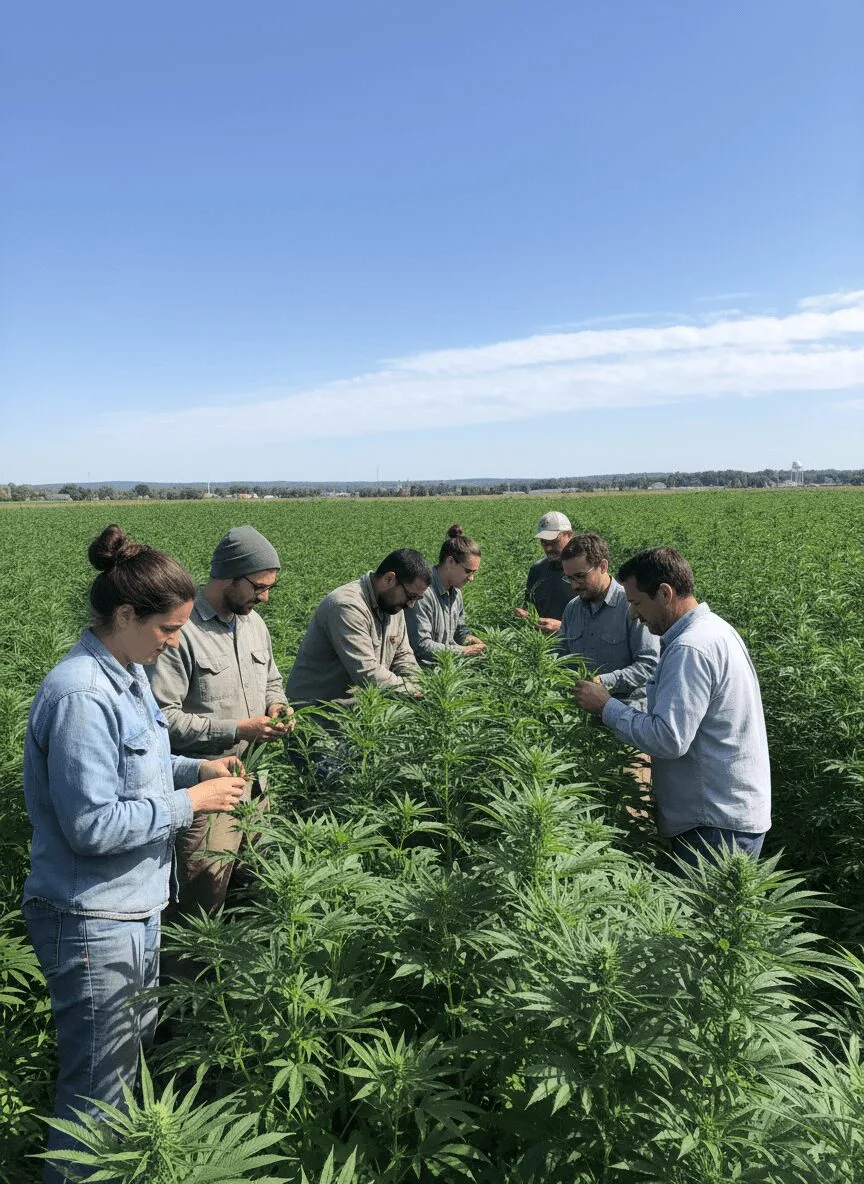
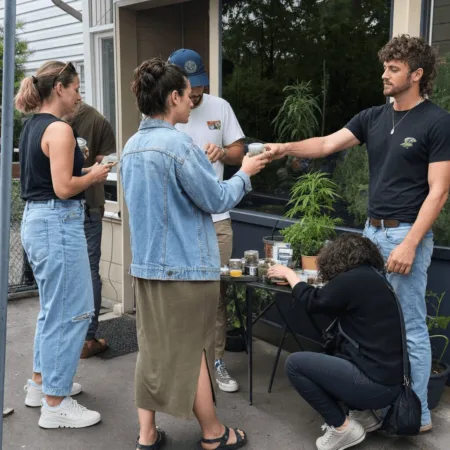
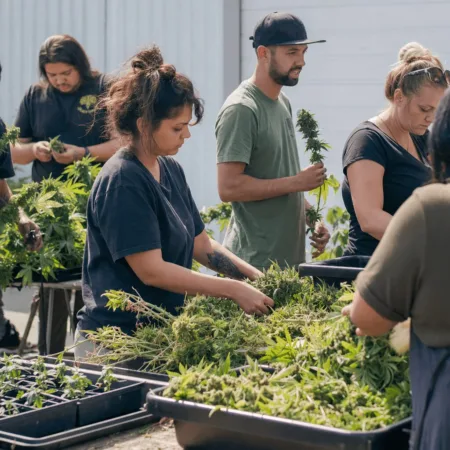
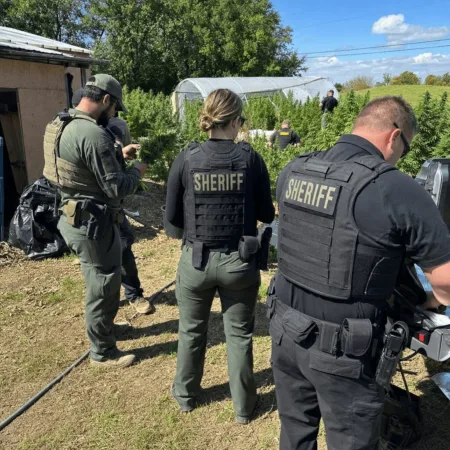
The heart of the New York hemp industry crisis is playing out both in the legislature and on local farms. Growers, like Hudson Hemp and dozens of others, have watched prices plummet while costly new rules keep piling up. According to recent reporting in AMNY, the state’s strict new regulations, implemented in May 2024, now require rigorous lab testing, expanded tracking from seed to extract, and much higher licensing fees. Small business owners say these policies were rolled out with little notice, cutting their profit margins overnight. Meanwhile, new federal scrutiny on Delta-8 and other synthetics has forced many legitimate hemp operators to halt product lines or invest big capital in compliance, or risk getting shut down. This echoes stories of cannabis companies nationwide, like those navigating Texas hemp enforcement uncertainty and increased local police raids putting pressure on the industry. All of this comes as prices for raw hemp biomass in New York have crashed over 90% since 2019 (as reported by MJBizDaily), leaving farmers with warehouses full of unsold crops. The result? An unpredictable market where only the most financially resilient or well-connected producers can survive. With job losses mounting, advocacy groups and farmers are rallying in Albany for emergency relief and regulatory reform.
Expert Analysis & Pro-Cannabis Industry Perspective
The New York hemp industry crisis is a textbook case of regulatory overreach colliding with grassroots innovation. Industry analysts point out that New York’s market grew too fast, then was forced into retreat by complex rules that favored large players. “The spirit behind hemp legalization was to revive family farms and empower small businesses,” said Leafly’s Steve Hawkins. “But instead, we see policy bottlenecking at the expense of rural communities and entrepreneurs.” Experts also say that policymakers underestimated just how much competition and confusion federal-state misalignment could trigger. As scientific advancements evolve, technology for cannabis testing and product certification, like new methods for identifying cannabinoid isomers, continues to reshape lab protocols. Even the Hemp Grower editorial board argues that the sector’s recovery depends on targeted reforms, such as recalibrating THC thresholds, harmonizing NY standards with the rest of the U.S., and offering support to family-run operations. One thing’s for sure: Demand for hemp-derived wellness, textiles, and sustainable ingredients remains strong. Unlocking this value requires fixing the system, not stifling it.
Where Do We Go Next? Solutions and Hope on the Horizon
While the current New York hemp industry crisis is daunting, advocates see rays of hope. Growers are lobbying for practical changes: rolling back excessive fees, streamlining lab testing, and creating clearer guidelines for cannabinoids like Delta-8 and Delta-9. According to a recent Forbes feature, collaborative policy-making between farmers, regulators, and scientists could pave the way for a smarter, fairer market. Consumers are voting with their dollars, prioritizing sustainable, homegrown hemp. With continued reform and wider acceptance, New York’s hemp industry can move from crisis mode to a scalable, community-driven powerhouse—one that leads the nation in green jobs and innovation. The road won’t be quick, but for cannabis veterans and new converts alike, the future still looks bright, green, and full of possibility.
Originally reported by: amny.com
1 Comment
Pingback: Ohio hemp THC beverages lawsuit: What breweries are fighting for