




Waterbury pedestrian hit-and-run: See shocking arrest details
The Waterbury pedestrian hit-and-run grabbed headlines this week, stirring up passionate conversations across the local and cannabis communities alike. Stories like these strike a nerve, especially when they occur in friendly suburban neighborhoods that are adapting to shifting laws and more open cannabis use. As more folks embrace the plant’s healing properties, it’s crucial to separate cultural perception from actual crime. Here’s the real scoop on what went down, why it matters now, and how it fits into the broader vibe of modern cannabis culture, street safety, and social stigma.
Understanding Waterbury’s Changing Safety and Cannabis Landscape
Waterbury sits at the intersection of emerging cannabis normalization, and persistent community concerns about public safety. As Connecticut legalizes adult-use cannabis, backed by nonpartisan analyses from Connecticut’s Department of Consumer Protection, there’s both opportunity and responsibility. Regulated dispensaries, public education, and robust testing have all contributed to a safer market. Still, as noted by NORML, misconceptions linger about public cannabis consumption and its role in local incidents. The Waterbury pedestrian hit-and-run didn’t occur in a vacuum; it’s unfolding in a city where old-school attitudes meet new liberty, and where the line between responsible use and irresponsible behavior is constantly debated. Social factors, such as neighborhood watch groups, and advancements in law enforcement training, as featured in Leafly’s coverage of Connecticut’s cannabis rollout, play a profound role in shaping community responses. As discussions intensify, it’s important to consider how local enforcement in neighboring regions has led to situations such as a recent cannabis-related police bust that left communities reeling—showcasing the ongoing complexities in aligning regulation, safety, and public perception.
Key Developments, The Waterbury Pedestrian Hit-and-Run Incident
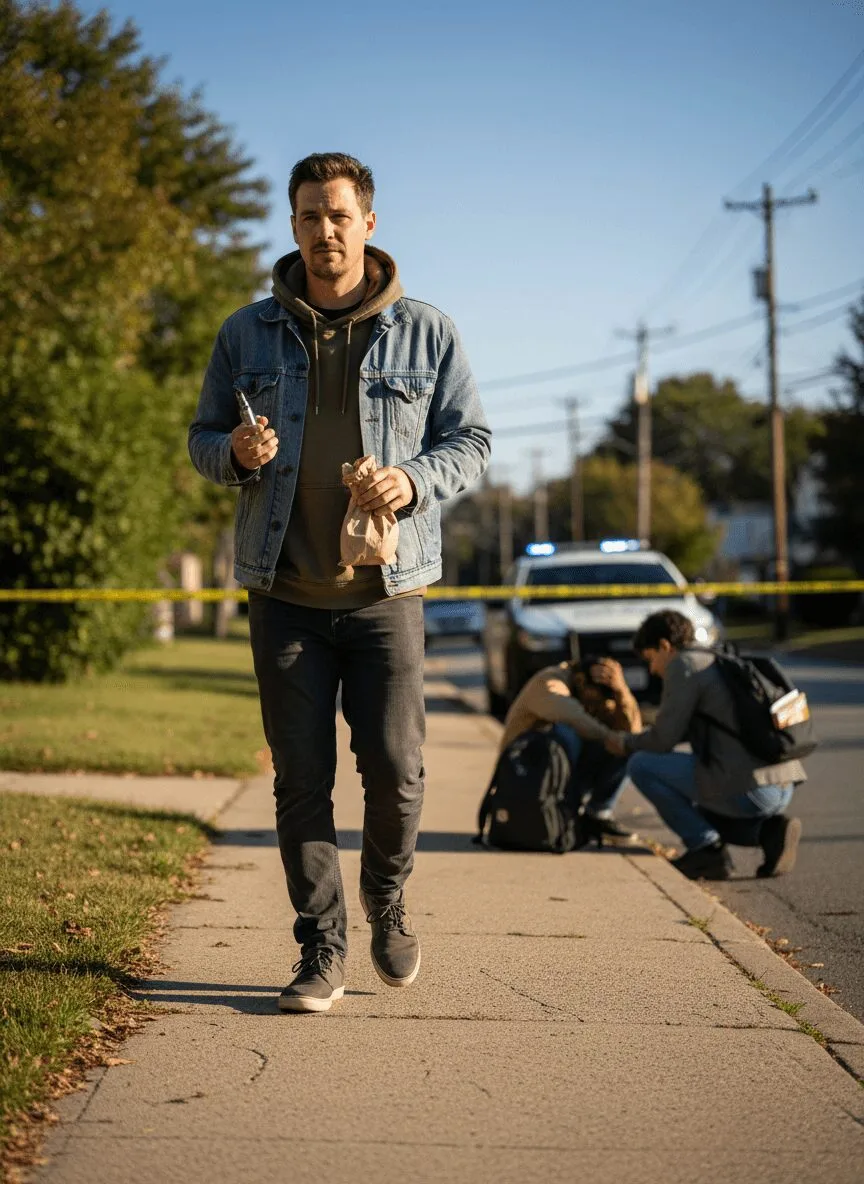
On a recent afternoon, Waterbury police responded to a serious event involving a local pedestrian hit on suburban sidewalks, a jarring occurrence for residents used to relatively quiet streets. According to arrest documents reported by the New Haven Register, authorities swiftly identified and apprehended a suspected driver, Edwin Vega, not far from the scene. Vega was reportedly wearing casual street attire and had small amounts of cannabis, which, as Connecticut law allows, did not result in additional charges. Emergency responders found the injured pedestrian and provided care, aided by a good Samaritan present at the scene. Police are still investigating, with preliminary findings indicating traffic error, not substance impairment. Updates from state regulators emphasize the ongoing efforts to distinguish legal possession from reckless driving behavior. This Waterbury pedestrian hit-and-run brings renewed urgency to calls for clarified community education and responsibility regarding pedestrian safety. Looking at the bigger regional context, a significant increase in synthetic drug arrests, as covered in this local news story, demonstrates just how intertwined substance use and law enforcement remain for public safety issues.
Industry Insights, Cannabis, Public Perception, and Street Safety
The Waterbury pedestrian hit-and-run lands in the midst of a broader conversation where people who use cannabis frequently face unwarranted scrutiny, whether or not they were involved in wrongdoing. On-the-ground experts like policy analyst Shaleen Title, quoted in Forbes, emphasize, “Blaming cannabis for every safety issue isn’t productive or fair. We need evidence-based approaches, not old stereotypes.” Studies referenced by NORML highlight that responsible, legal use does not increase pedestrian-related incidents. Instead, most accidental injuries come from everyday traffic issues, verified by current Department of Transportation reports. Residents’ primary concerns revolve around adapting to busier pedestrian environments and evolving regulations. For example, recent nationwide debates about marijuana seizures during traffic stops, such as what happened in the high-profile traffic stop marijuana seizure dispute, reflect broader confusion between lawful possession and unlawful behavior. Ultimately, fostering an environment of public education and safety—as opposed to stigma or assumption—remains the community’s shared goal.
Future Outlook: Learning, Reform, and Canna-Community Growth
While the headlines around the Waterbury pedestrian hit-and-run stir understandable concern, they also serve as a call to action: better education, clearer laws, and real compassion for everyone—whether they’re walking the streets or walking into a dispensary. Waterbury is emblematic of cities where cannabis normalization meets old-school skepticism, but time and experience are proving that responsible use and safe streets go hand in hand. According to recent insights from Leafly’s coverage of Connecticut’s evolving cannabis rules, ongoing regulatory reforms promise stronger community safeguards without fueling stigma. The cannabis industry, advocates, and responsible users are stepping up with constructive solutions, making sure future headlines spotlight smart safety rather than misplaced blame. In short, Waterbury’s experience is another reminder—the cannabis community’s greatest asset is its dedication to progress, not just for itself, but for every neighbor on the block.
Originally reported by: nhregister.com
1 Comment
Pingback: Supreme Court marijuana case: What’s really at stake?