



Shocking Cannabis Factory Bank Arrest: What Really Happened?
If you’ve been following the ever-changing landscape of cannabis legalization, you know things are getting wild. The recent cannabis factory bank arrest just made front-page news, making folks question how much the UK is still stuck in the past while other countries blaze forward. With high-profile busts like this stirring debate, it’s the perfect moment to break down what’s really going on—why these stories matter, and what they say about the current (and future) state of cannabis law.
The Legal Landscape: Old Laws Meet New Realities
The UK’s stance on cannabis has always been strict, and it remains a Class B drug under the Misuse of Drugs Act 1971, meaning even personal possession can lead to jail time or a heavy fine. Yet, as international markets pivot towards legalization and regulation, Britain’s rules appear increasingly outdated, much as we’ve seen social and legal shifts following major incidents. According to Release, headline incidents like the latest cannabis factory bank arrest reflect tension between underground cultivation and evolving social acceptance. This division echoes parallel stories regarding law enforcement and new substances, such as the surge in synthetic drug arrests that have sparked wider legal and social conversations. Meanwhile, flourishing legal industries in places like the US, Canada, and Germany highlight a regulatory opportunity that Britain is still debating. Sociologists highlight that such high-stakes busts continue to define how criminalization shapes everyday life, despite shifting scientific consensus on the plant’s benefits.
What Actually Happened: The Cannabis Factory Bank Arrest in Detail
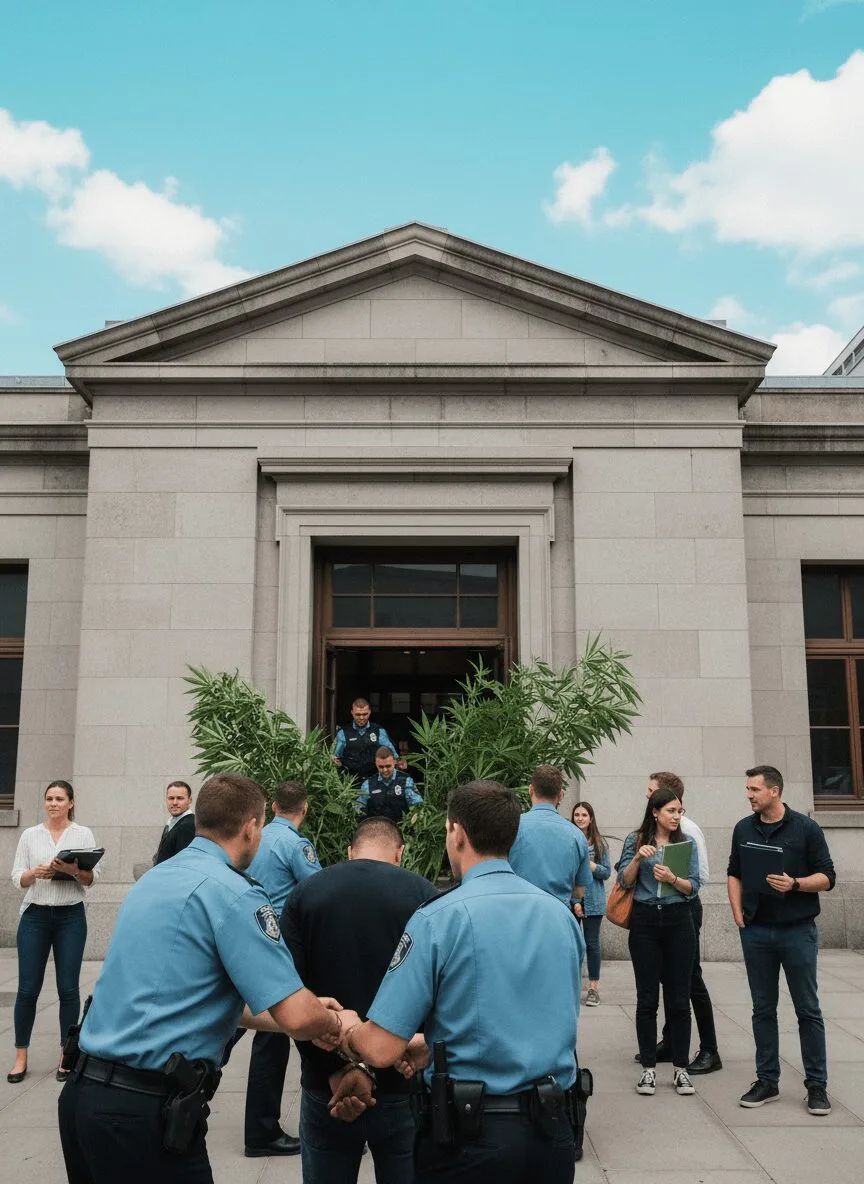
Earlier this week, local authorities uncovered a large-scale cannabis grow operation in an abandoned old bank in the heart of town. Several suspects were detained during the early-morning raid, and witnesses saw officers escorting individuals from the premises while others carried bags of mature plants and equipment. Law enforcement described this as a sophisticated operation intended for high-volume distribution.
According to Sky News, the building’s history as a financial institution with a reinforced vault and discreet access made it an ingenious, if illegal, location. Police seized over 100 fully grown plants and, in the aftermath, a strong odor lingered as community members voiced concerns about safety, property values, and law enforcement priorities. Cases like this often trigger nationwide debates about criminal justice and future policing directions amid similar marijuana-related incidents. As of this report, several suspects remain in custody awaiting formal charges, and the cannabis factory bank arrest has gone viral, raising broader questions about enforcement motivation and the changing market.
Analysis: Beyond the Bust, What This Means for the Industry
If you have followed cannabis advocacy, you recognize that stories like the cannabis factory bank arrest are emblematic of conflicting priorities between public safety and changing perceptions. On one hand, these cases reinforce perceptions of cannabis as criminal, while simultaneously underscoring the dangers tied to uncontrolled grow operations, such as fire risks or connections to organized crime.
Yet, leading voices argue that prohibition fuels clandestine grows. As Steve Rolles, Senior Policy Analyst at Transform Drug Policy Foundation, said: “These high-profile police raids are the direct consequence of a failed policy. Legalizing and regulating cannabis would make communities safer, protect consumers, and allow authorities to focus on real threats, not plant growers.”
Industry reports from sources like Benzinga reveal that in regions with regulated retail, illicit growing diminishes and law enforcement resources are better focused. The evidence continues to mount: sensible regulation, rather than criminalization, is the way forward for safer communities and economic growth. This shift is mirrored in local government actions around zoning and taxation, for instance, with new excise taxes signaling changing futures for the cannabis industry.
The Road Ahead: Looking Past the Haze
One thing’s clear from the cannabis factory bank arrest: the conversation is changing, fast. Regulators, communities, and business leaders are waking up to the realities of prohibition—and the opportunities of legalization. Though the UK still has a long road ahead, there’s momentum building toward sensible reform. If policymakers listen to the data and global trends, tomorrow’s headlines might be about the positive impact of regulation, not the latest raid. For anyone hoping to see cannabis treated with the same responsibility as any other legal industry, the future still looks bright—and far more rational.
For further background, see Leafly’s guide to UK cannabis reform. The journey’s just getting started—let’s keep it green and grounded.
Originally reported by: yahoo.com

1 Comment
Pingback: Waterbury pedestrian hit-and-run: See shocking arrest details