



Ohio THC-infused drink ban: What It Means for Shoppers Now
Suddenly finding empty gaps in the beverage aisle? You’re not alone. The newly enforced Ohio THC-infused drink ban is making waves throughout the state’s cannabis and retail markets. As policy catches up with booming consumer demand for alternative wellness options, this move is rattling shoppers, store owners, and manufacturers alike. Here’s what’s really happening, why it matters right now, and how this abrupt regulatory shake-up could shape the landscape for THC-infused drinks and cannabis culture in Ohio.
Ohio’s Cannabis Landscape: Regulation, Demand, and Nuance
Ohio’s relationship with cannabis has been a careful dance of public opinion, evolving policy, and market forces. The state moved towards medical cannabis back in 2016 (Cleveland.com), and demand for hemp-derived and low-THC products has soared since the 2018 federal Farm Bill legalized hemp nationally. The ongoing regulatory balancing act that Ohio faces is increasingly relevant against the backdrop of other evolving legal landscapes, such as the changes taking place in other states, which can be further examined by learning how rescheduling and regulation shape both patient and investor experience—see recent updates on marijuana and its reclassification implications. As interest in edibles and infused drinks has grown, regulatory bodies like the Ohio Division of Cannabis Control have scrambled to keep up. Rising consumer demand, especially from adults seeking wellness alternatives, has forced policymakers to wrangle with concerns about product safety, youth access, and market control. It’s against this backdrop, and the spread of THC beverage trends seen in other legal states (Leafly), that the Ohio THC-infused drink ban arrives.
Breaking Down the Ohio THC-Infused Drink Ban: What Went Down
The Ohio THC-infused drink ban comes as part of new regulations signed into law in early March 2026. According to a 13abc report published on March 7, 2026, this legislation specifically targets THC-infused beverages that previously lined grocery and convenience store shelves across the state. The law, retroactive in scope, effectively removes these drinks from all non-dispensary retail locations. For those following regional policy developments, the abruptness and compliance demands in Ohio recall the kinds of regulatory moves often debated elsewhere—for instance, a recent enforcement sweep and its wide-ranging impacts in another jurisdiction. Key details include:
- All products containing THC, even hemp-derived, are now classified as cannabis products and must be sold only at licensed dispensaries.
- Popular brands such as Cann Social Tonics and other craft beverage makers were given only a brief window to comply or pull inventory.
- The Ohio Department of Commerce’s Division of Cannabis Control confirmed the need for clear regulation, citing consumer protection and youth prevention as major drivers.
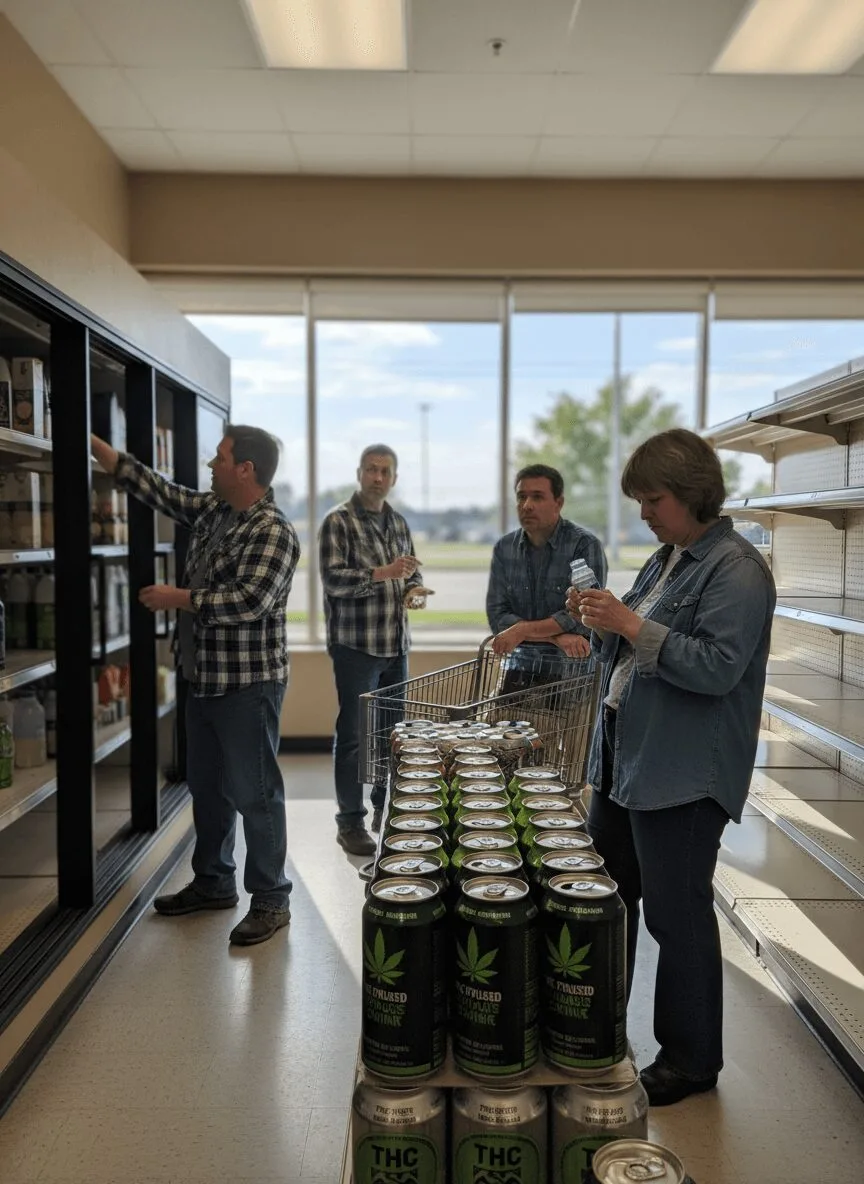
- Retailers report abrupt inventory pulls, with several convenience store chains and grocery outlets reporting confusion and lost sales. Statements from grocers, including some quoted in 13abc (main news source), reflect frustration with the lack of lead time and clarity.
- Enforcement began immediately, with compliance checks already underway as of publication.
The speed and scope of the Ohio THC-infused drink ban has left the beverage aisle looking notably sparse, and both manufacturers and retailers are scrambling to adapt.
Industry Perspective: Why This Matters, and What Comes Next
The Ohio THC-infused drink ban echoes a national trend: As cannabis beverages grow in popularity, lawmakers try to strike a balance between access, safety, and control. But there’s more happening beneath the surface. Nuanced, regulated cannabis consumption is a core concern for advocates. As Forbes points out, beverages are among the fastest-growing segments in the cannabis market, appealing especially to newcomers wary of smoking. These regulatory crossroads are familiar across other emerging healing modalities as well, as seen in current shifts in non-hallucinogenic psilocybin therapy and the broader push for nuanced policy.
Industry leaders warn of the unintended consequences of overregulation. In a recent Leafly analysis, cannabis consultant Emily Paxson notes, “If access to safer, regulated products is curbed, consumers may turn to unregulated or illicit sources.” Paxson explains that clear labeling, education, and responsible retailing have kept adverse incidents low, and abrupt policy changes only fuel confusion.
The Ohio THC-infused drink ban, while well-intended, may also pressure small beverage makers and specialty grocers. Cannabis pioneer and beverage entrepreneur Jamie Evans, quoted by Benzinga, sums up the situation, “Innovation in cannabis drinks thrives where there’s partnership between regulators and industry, not prohibition.”
Future Outlook: Beyond the Ban
Even amid the restrictions of the Ohio THC-infused drink ban, there are signs of hope and adaptation. Policymakers, retailers, and advocates are now in dialogue—potentially paving the way for smarter, fairer regulation in the near future. As Ohio’s broader legal cannabis market matures, expect greater clarity, more robust consumer protections, and a return (eventually) of safe, regulated infused drinks. Industry analysts at MJBizDaily say that state-level bans often prompt market innovation and legislative refinement, rather than full-scale rollbacks.
Bottom line? While the current Ohio THC-infused drink ban is a setback for shoppers and businesses hungry for new options, it also marks another milestone in cannabis normalization. Ohio remains a bellwether for the regional cannabis beverage market, and every twist in the legal journey brings us closer to balanced, consumer-friendly policies for all.
Originally reported by: 13abc.com

1 Comment
Pingback: Firefighters Medical Cannabis: Breaking Barriers to Access