




America Marijuana Problem: What’s Hiding in Plain Sight?
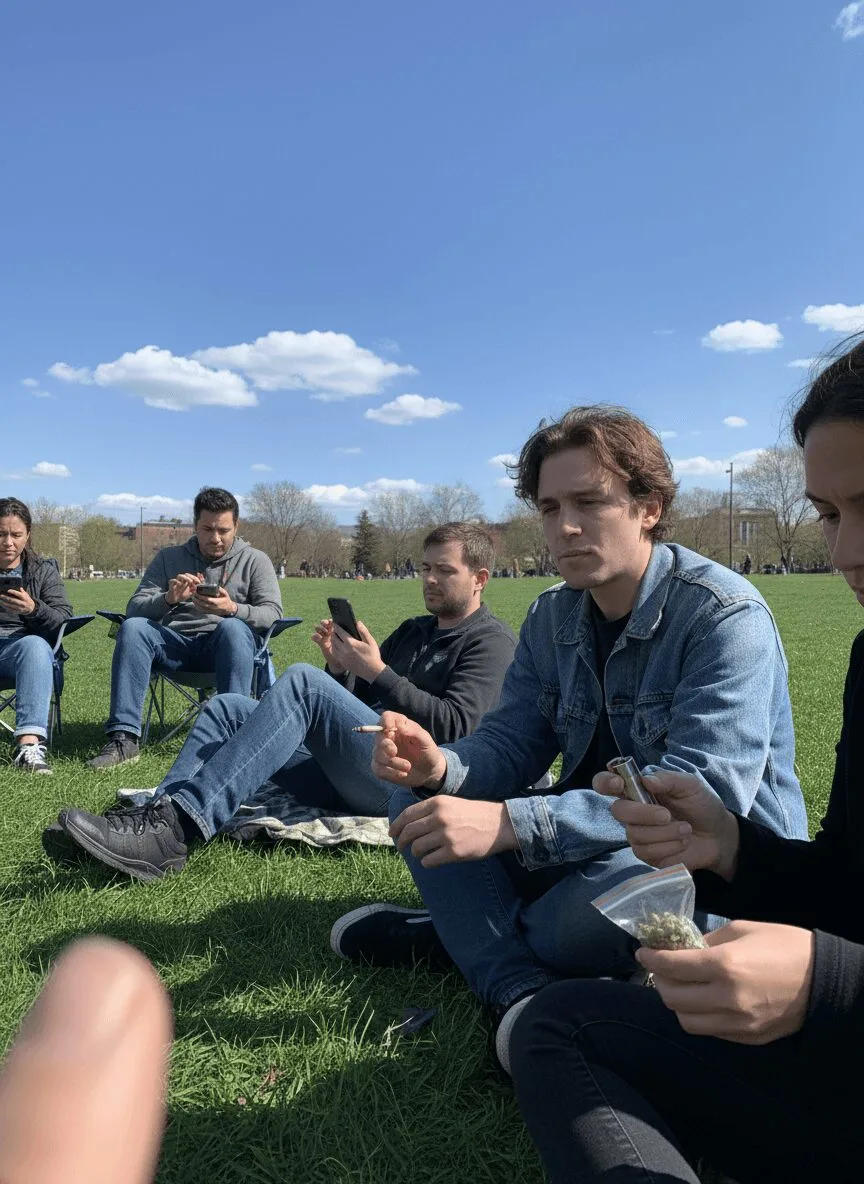
We’re living through a real culture shift. Legal cannabis use is soaring, ballot boxes are lighting up, and America’s relationship with marijuana is suddenly front-page news. The so-called America marijuana problem has taken on bigger dimensions—now it’s about health, regulation, industry dollars, and changing cultural values. Whether you’re lighting up or locked in debate, this topic touches public safety, economic opportunity, and equity. So, what’s actually going on? Here’s what everyone’s missing about the America marijuana problem, from myths and panic to what’s really at stake for communities nationwide.
The Complex Background: Why “America Marijuana Problem” Keeps Evolving
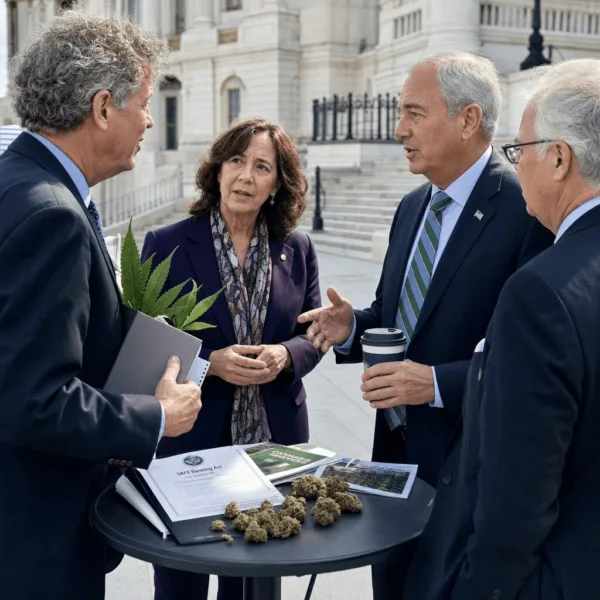
Marijuana’s legal status in America is an ever-moving target. Over 20 states, and growing, have legalized recreational use, while more than half permit medicinal cannabis, as summarized by National Conference of State Legislatures. Yet, cannabis remains federally illegal. This conflict leads to patchwork rules, uncertain markets, and confusion for users and regulators. Social stigma about cannabis use still lingers from decades of “War on Drugs” messaging, especially pronounced in many rural or conservative areas (Brookings Institution). At the same time, states reap hundreds of millions in cannabis taxes, and industry watchdogs like Leafly’s Jobs Report note over 428,000 full-time cannabis jobs created as of early 2024. In some communities, new revenue streams have taken shape, boosting local programs as seen in how legal weed is powering community progress. The debate is shifting: is the America marijuana problem about health risks, regulatory inconsistencies, or missed opportunities for economic equality?
Core Issues: What Experts and the Public Can’t Ignore
Recent features in Psychology Today dissect key issues, arguing that rising use, especially among teens and young adults, has flagged concerns about dependency and mental health. National surveys, such as those referenced by the CDC, note record-high daily or near-daily use reported among American adults for the first time in history (as of mid-2023). Hospitals and addiction specialists are watching increased ER visits linked to cannabis, often involving high-potency products. Yet, legal developments press on: states like Minnesota and New York opened doors to commercial sales in 2023 and 2024, focusing on “social equity licensing” and expungement of prior cannabis convictions (The New York Times). The regulatory landscape is similarly heated in places like New Hampshire where legislative action, such as recent Senate debates over legalization, keeps the America marijuana problem centered on health risks, structural inequality, regulatory patchwork, and rapidly changing legal frameworks.
Expert Analysis: Breaking Down the Real America Marijuana Problem
Legalization’s opponents fear increased dependency and impaired youth, but experts urge a more balanced view. Renowned addiction specialist Dr. Peter Grinspoon, writing for Harvard Health Publishing, notes: “While marijuana misuse is real, it’s nowhere near as dangerous or common as popular stereotypes suggest.” In fact, as Marijuana Moment and NORML report, the majority of cannabis consumers use moderately without issues. For most adults, problems like addiction are rare and much less severe than those linked to alcohol or opioids. Importantly, policy experts highlight that regulatory chaos—not cannabis itself—fuels most negative outcomes. States lacking adequate testing or product standards see more issues, while those with robust oversight, like Colorado or Illinois, report declining underage use (Colorado Dept. of Public Health & Environment). As seen in recent updates on federal law and workers’ compensation, honest, fact-based education and equity-focused policies are far more effective at reducing the America marijuana problem than criminalization or fearmongering. Balanced rules, covering potency, marketing, labeling, and social equity, are essential, not more punitive measures.
Looking Forward: Cannabis Industry at a Turning Point
The future of the America marijuana problem depends on how we adapt. States that treat cannabis as a legitimate, regulated industry—putting consumer health and social equity first—see the greatest successes (Pew Charitable Trusts). Where stigma fades, businesses flourish, and public health outcomes often improve with transparent information and responsible use. The conversation must keep evolving alongside science, data, and real community needs—not fear. If America embraces learning and openness, the so-called marijuana problem may give way to opportunity, innovation, and safer access for all.
Originally reported by: psychologytoday.com


1 Comment
Pingback: Michigan marijuana tax revenue: Discover Michiana's Share