

Music and psychedelics: Neuroscientist Shares Listening Secrets
The intersection of music and psychedelics is having a serious moment, making headlines and sparking debates. With both being increasingly recognized for their therapeutic potential, experts are starting to unpack how music can shape the psychedelic experience from microdosing sessions to full journeys. This article dives into recent findings, market shifts, and top neuroscience insights—for anyone curious about what happens when you press play and elevate your consciousness with music and psychedelics.
Background and Context: Changing Legal and Social Landscapes
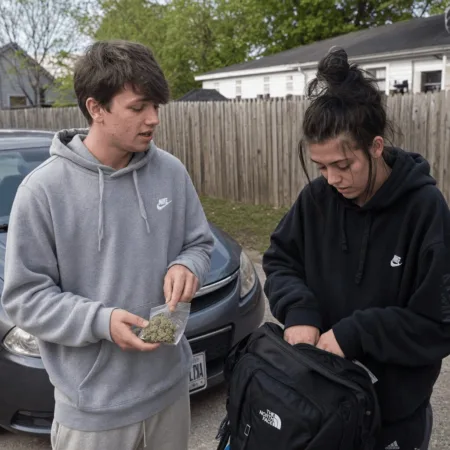
The conversation around music and psychedelics sits at the crossroads of rising legalization and shifting social perceptions. Cannabis reforms have swept across the United States, with more states moving toward decriminalizing not just marijuana, but also certain plant-based psychedelics. According to NORML, over 20 U.S. states have embraced adult-use cannabis laws, directly impacting how people explore wellness tools like music and psychedelics together. Recent moves in Oregon and Colorado to legalize supervised psilocybin use have broadened the scene (MAPS). Meanwhile, medical researchers and cultural touchstones—from Johns Hopkins studies to Billboard chart-topper playlists—are driving fresh conversations about how music can enhance opened-up minds during these sessions. Shifts in the cannabis industry continue to reshape communities, and reports like the Beech Island marijuana seizure which unsettled a local community illustrate how changes at the ground level affect the broader social landscape and the ongoing dialogue around music and psychedelics.
Key Developments and Emerging Issues
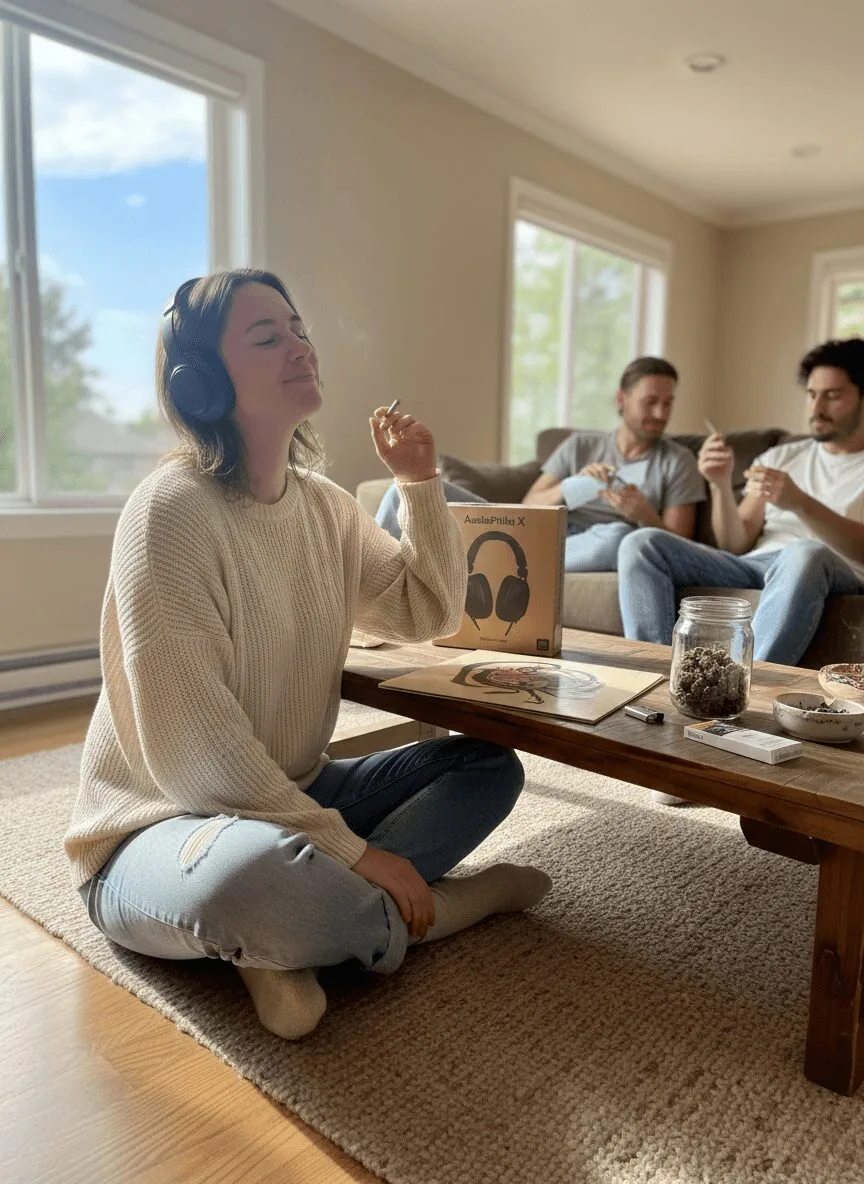
The original piece brings a neuroscientist’s voice center stage, focusing on the impact of music and psychedelics during tripping experiences. Dr. Mendel Kaelen, a noted researcher in the field, unpacks how the right sound environment can shape feelings, introspection, and even therapeutic outcomes (PsyPost). According to the article, curated playlists—from gentle ambient soundscapes to familiar rock anthems—dramatically alter journeys, sometimes making them more meaningful or emotionally cathartic. He shares secrets on selecting the perfect track, warning that lyrics or sudden tempo changes can trigger challenging moments if the set or setting isn’t right. The current news reflects a surge of interest from wellness seekers, therapists, and underground circles alike as new studies highlight that combining music and psychedelics can have a profound effect on everything from anxiety reduction to creative breakthroughs. Furthermore, recent legal changes mean these sessions are less likely to land you in hot water, but as of 2024, federal reform is still lagging behind public opinion, creating a patchwork of laws that can trip up even the best-intentioned explorers (Marijuana Moment). In states like Missouri, where cannabis and gambling reforms intersect with broader cultural shifts, local legislation continues to influence how people approach the blending of music and psychedelics (see how cultural changes drive these reforms).
Expert Analysis & Pro-Cannabis Counterpoints
Let’s be real, the combination of music and psychedelics is both wild and promising, especially in the age of widespread cannabis acceptance. As the industry matures, more pros are advocating for intentional, safe exploration. Leading cannabis educator Emma Chasen, quoted in Leafly, notes, “Our brains love patterns, and music enhances the sensory harmony already present when using cannabis or other psychedelics. When paired right, the result is amplified self-awareness and emotional processing.” This matches a growing consensus among therapists: music is a crucial element of set and setting, not just a background detail. Still, many stigmas linger. Mainstream coverage often overlooks just how much guidance, compassion, and ceremony anchor these experiences—not to mention that legal risks around both music and psychedelics can overshadow potential benefits. However, as reported by Psymposia, clear-headed legalization and professional standards are making these journeys safer and more accepted, with new educational resources tackling both harm reduction and mindful exploration head-on. Stories of new businesses sparking joy in communities through grand openings highlight how perceptions around cannabis—and by extension, music and psychedelics—are becoming increasingly positive and community-oriented. In short, the future of combining music and psychedelics is vibing its way from counterculture to mainstream wellness, while the cannabis industry helps blaze that trail with honest advocacy and responsible community care.
Future Outlook and Conclusion
Looking ahead, the confluence of music and psychedelics is likely to become even more influential—both in personal growth circles and formal therapy settings. Recent legislative wins and broader acceptance of cannabis culture are setting the stage for well-regulated, openly discussed psychedelic sessions. As research piles up, industry voices and public health leaders are acknowledging the combined power of music and psychedelics in promoting mental well-being, creativity, and social connection. According to Forbes, the merging of cannabis and psychedelic industries promises more integrated, elevated experiences. While there will be bumps, the trajectory is toward broader legalization, sophisticated harm reduction, and greater public trust. For anyone navigating this space, now is the moment to tune in and turn up: music and psychedelics might just be the keys to a more harmonious future.
Originally reported by: themicrodose.substack.com