




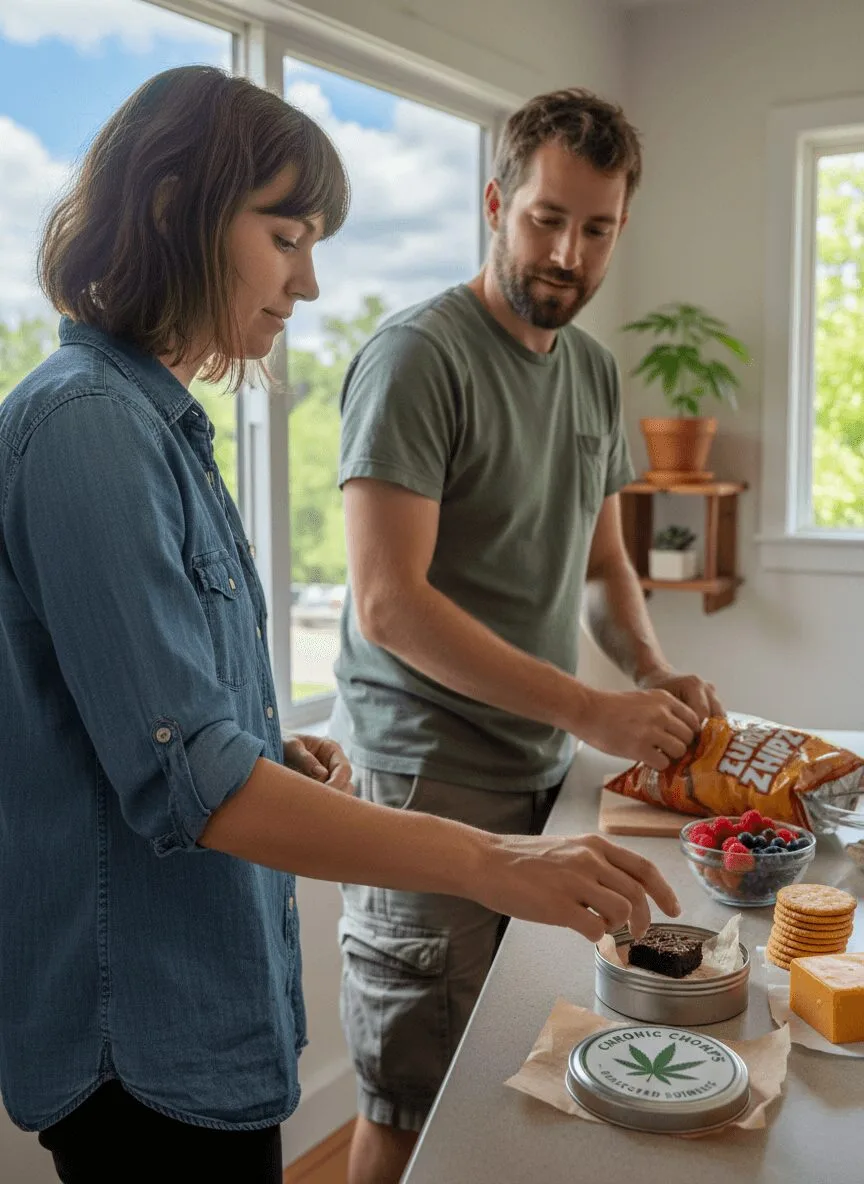
THC Appetite Stimulation: How the Munchies Can Help You
With medical and recreational cannabis adoption booming across North America, THC appetite stimulation is under the spotlight like never before. From snack jokes to serious clinical research, the so-called “munchies” aren’t just a meme—they could become a game-changer for millions dealing with appetite loss. Let’s dig into what’s happening in this space, how the science stacks up, and why THC appetite stimulation is making serious waves in the world of cannabis and beyond.
The Evolving Landscape: Legal, Social, and Market Forces
Understanding THC appetite stimulation means looking at how far cannabis acceptance has come. Medical legalization now covers more than three dozen states in the US alone, and Canada federally recognizes both medical and recreational use (CDC). The stigma around cannabis consumption for medical needs, particularly appetite loss, has faded quickly since the early 2010s. Alongside reform in North America, a wave of new laws and shifting community attitudes can be seen worldwide, as seen in dramatic developments like the Malta cannabis arrest that sparked discussion on reform. Elderly patients, cancer survivors, and those battling chronic illnesses drive much of the demand for effective appetite solutions. Socially, consumers are more comfortable discussing their wellbeing now, and universities nationwide invest in the latest cannabis research initiatives (Washington State University). Industry trends point to increasing product innovation, emphasizing products that offer reliable and targeted results like enhanced THC appetite stimulation, while upholding regulatory compliance and consumer safety standards.
The Science, and Real News, Behind Those Munchies
According to a groundbreaking Washington State University study released this February, researchers provided clinical evidence that THC directly activates neural pathways responsible for triggering appetite. In a controlled environment, study participants who consumed legal, regulated cannabis products experienced notable increases in hunger and calorie intake, especially among subjects who previously struggled with loss of appetite—think cancer patients, folks with chronic infections, or age-related metabolic slowdown. Relevant policy developments, like legislative updates seen in recent recreational cannabis legislation, reinforce the importance of regulated products. The experts behind the study included Dr. Jon Davis from WSU’s Integrative Physiology and Neuroscience unit, who explained that even a single low-dose THC edible reliably sparked appetite improvements. The news arrives as more states, including Florida and New York, expand medical cannabis access, making regulated products like edibles more available. Nationwide, new legal frameworks confirm that products marketed for appetite stimulation must undergo rigorous safety and labeling protocols per standards like those set by the FDA.
Expert Analysis: Why This Matters for Patients, and the Industry
It’s not just stoners raiding the fridge: THC appetite stimulation is now a legitimate medical strategy. According to Dr. Sue Sisley, a leading cannabis clinician, “For patients enduring chemotherapy, HIV treatments, or wasting conditions, reliable hunger is a lifeline, not a luxury” (NORML). The Washington State study is a landmark because it objectively validates what so many doctors and patients have already observed for decades. This isn’t about ‘getting high’, it’s about harnessing one powerful side effect for real clinical benefit. Consumer watchdogs and researchers alike stress how crucial it is that these products are dosed, tested, and properly labeled, especially with the variety of edibles, tinctures, and low-dose formulas now crowding the shelves (Health Europa). Importantly, as low-risk uses of cannabis gain attention and reshape wellness norms after legalization, as discussed in recent studies of cannabis use trends, THC appetite stimulation emerges as one of cannabis’s most validated therapeutic frontiers, and its acceptance is a testament to how the stigma is dissolving right alongside barriers to research funding and patient access.
Outlook: Appetite for Change in Cannabis Care
The path forward for THC appetite stimulation looks incredibly promising. Respectable clinical trials, evolving regulatory guardrails, and the destigmatization of medical cannabis all point to a future where patients can access tailored solutions safely and openly. As more states and countries update their medical cannabis laws, expect ongoing waves of innovation—ranging from precision-dosed gummies to microdose capsules targeting appetite improvement. According to a recent Business Insider analysis, the cannabis industry is set to grow exponentially as therapies like THC appetite stimulation gain mainstream acceptance. In other words, this isn’t the end of the ‘munchies’ joke—it’s the beginning of a new, evidence-backed era for functional cannabis care.
Originally reported by: news.wsu.edu