



Virginia retail cannabis framework: What’s changing for buyers?
The buzz in Virginia’s cannabis community is tangible right now—and for good reason. The new Virginia retail cannabis framework is moving fast through the General Assembly, marking a huge shift for everyday buyers and store owners alike. If you’re watching cannabis legislation or looking to understand exactly how this updated framework will impact access, prices, and the future scene, now’s the time to pay attention. Let’s break down why these changes matter, what’s actually happening, and what it means for Virginians and the wider industry.
Understanding the Virginia Retail Cannabis Framework: Background & Context
For years, Virginia has been at the heart of the cannabis legalization debate, evolving from early decriminalization to the creation of its initial medical marijuana program. In 2021, Virginia became the first Southern state to legalize adult-use cannabis (per NPR), though retail sales remained on hold pending a regulatory structure. Social shifts, public health studies, and increasing demand for safe, regulated access to cannabis have all driven legislative momentum. Lawmakers and advocacy groups repeatedly pointed to illicit market risks, racial justice reform, and the proven revenue of regulated programs in states like Colorado and Illinois. According to the National Conference of State Legislatures, an effective retail cannabis system needs robust oversight, clear product standards, and secure supply chains to protect consumers, foster equity, and generate necessary tax revenue for communities. These evolving requirements are similar to those described in supply chain tracking efforts that help ensure safe cannabis from seed to shelf, as outlined in this coverage. The Virginia retail cannabis framework is designed as a response to these complex, evolving needs.
Key Developments: What’s Changing for Virginia Cannabis Buyers Right Now?
The biggest headline out of Richmond, on February 18, 2026, the Virginia General Assembly advanced legislation establishing the state’s full retail cannabis framework (WDBJ7). This pivotal move comes after years of stop-and-go policymaking and strong debate across party lines. The new framework outlines who can legally sell cannabis, which products are allowed, and strict licensing for retailers and cultivators. It creates pathways for legacy market participants to transition into the legal sector and sets clear labeling, potency, and testing requirements, addressing long-standing public health and safety concerns. Key provisions include:
- Retail Licenses: The state will issue a set number of permits, prioritizing social equity applicants (those disproportionately impacted by criminalization).
- Product Limits: THC potency caps and child-proof packaging are mandatory by law.
- Sales Tax Structure: A retail excise tax funds public schools, addiction recovery, and judicial reforms, echoing best practices seen in Illinois and other markets.
- Local Control: Municipalities can opt out of cannabis sales, but can’t criminalize simple possession.
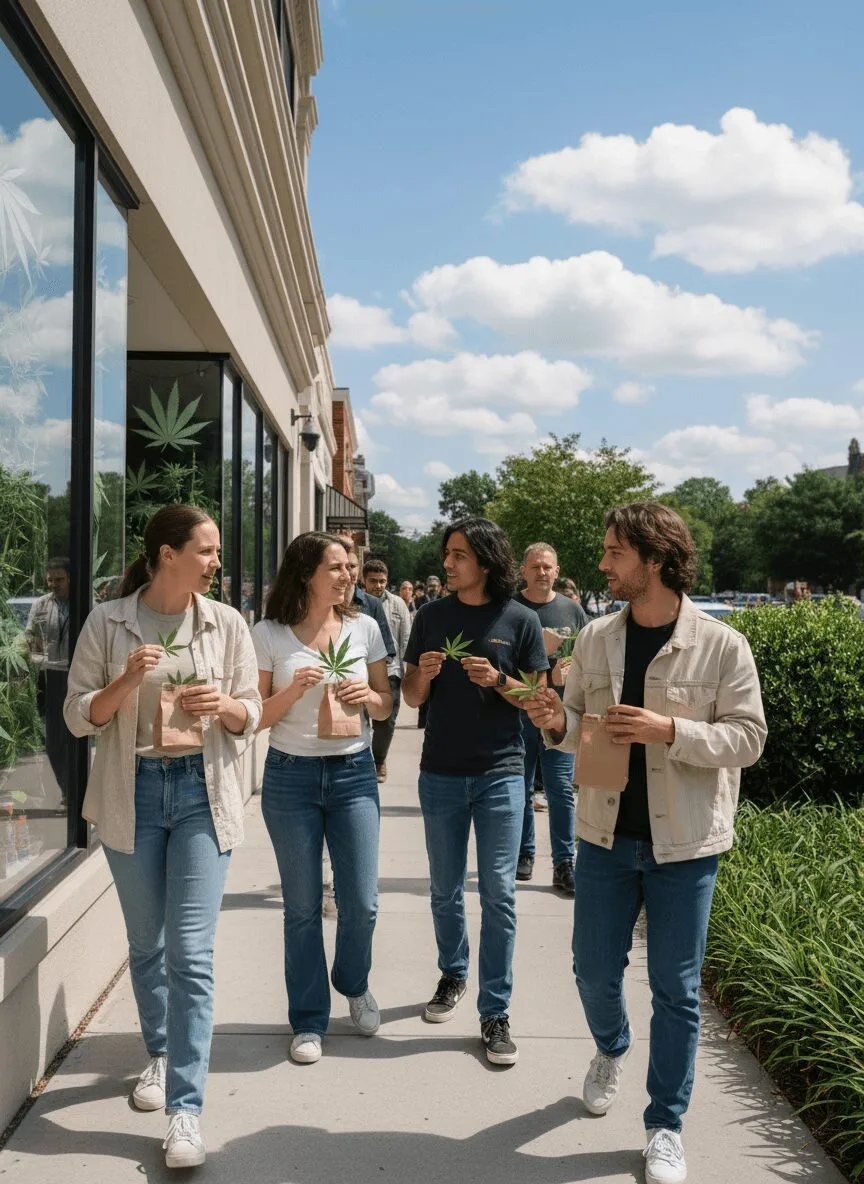
For Virginia cannabis buyers, these changes mean safer access, transparent product labeling, and stronger consumer protections. According to NORML, the framework’s enforcement and oversight mechanisms will target illegal dispensaries and gray market sales, aiming to redirect consumers toward legitimate, tested products. These latest shifts mark real, tangible change for recreational marijuana retail, similar to the updates described in recent legislative sessions that highlight big wins for buyers and businesses alike.
Expert Analysis: Why the Virginia Retail Cannabis Framework Matters
So, what does all this mean in practice for Virginia’s cannabis enthusiasts, and those shaping the industry’s next wave? First off, regulated storefronts offer peace of mind. Shoppers will know their bud is lab tested and accurately labeled. Retail operators, meanwhile, can finally step out of the legal gray zone, creating jobs and investing openly in their communities. “A well-built retail cannabis framework puts safety, access, and economic opportunity front and center,” explains Dr. Amanda Reiman, policy expert and VP of Public Policy at New Frontier Data (New Frontier Data). “It’s about closing illicit channels, supporting small businesses, and making sure every consumer knows what they’re buying, no surprises, no worries.” For communities, there is also the reality of controversy that sometimes accompanies new licensing decisions, as local stories like debates over medical cannabis licenses illustrate. Industry leaders predict that, as we’ve seen in other successful states, retail rollout means new jobs, revitalized storefronts, and equitable opportunities that stretch far beyond cannabis culture alone. Still, there’s work to do, ongoing public education, training for new licensees, and strong compliance are all critical as the legal market matures.
Looking Ahead: The Future of Cannabis in Virginia
If this legislative moment feels huge, that’s because it is. The Virginia retail cannabis framework isn’t just about legal weed—it’s about building an industry anchored in fairness, transparency, and community benefit. With new regulations come real opportunities for economic growth, safer products, and increased social acceptance (see the Pew Research Center on public opinion). The road ahead will bring tweaks and hurdles, but this new framework signals a genuine shift away from prohibition-era thinking. For Virginia’s buyers and business owners, the future holds more choice, more access, and a chance to shape the next chapter of a growing, maturing cannabis marketplace.
Originally reported by: wdbj7.com


1 Comment
Pingback: Nebraska medical cannabis reforms: Major committee advances