


The Oklahoma cannabis investigation has taken center stage after a late-night incident at 300 N. Highland sparked new action. In a market where regulations are evolving fast and industry scrutiny remains high, every local development can echo statewide. This story isn’t just about one event—it’s about how Oklahoma’s booming cannabis scene is navigating a patchwork of oversight, public concern, and industry optimism. Let’s break down what happened, why it matters now, and what it could mean for the future of cannabis in the state.
Understanding Oklahoma’s Cannabis Climate: The Regulatory and Social Context
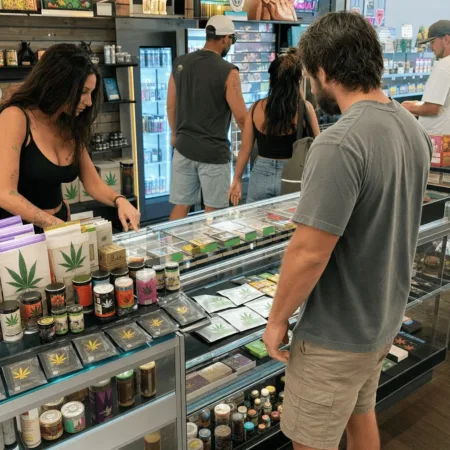
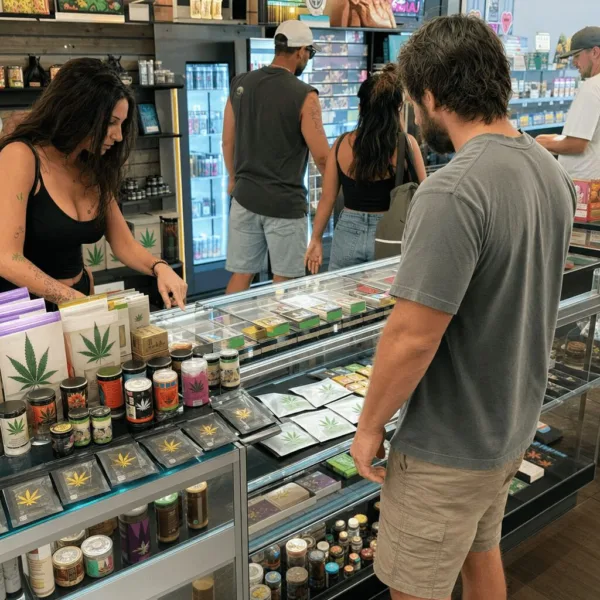
Oklahoma stands out as one of the most dynamic legal cannabis markets in the nation. Since the state’s voters approved medical cannabis in 2018, patient registrations have soared and dispensaries have sprung up in nearly every county. Rapid growth, however, has also led to calls for tighter regulation and more transparent enforcement. In many ways, this highlights how recent changes in regulatory environments impact both nature and society, including the cannabis sector.
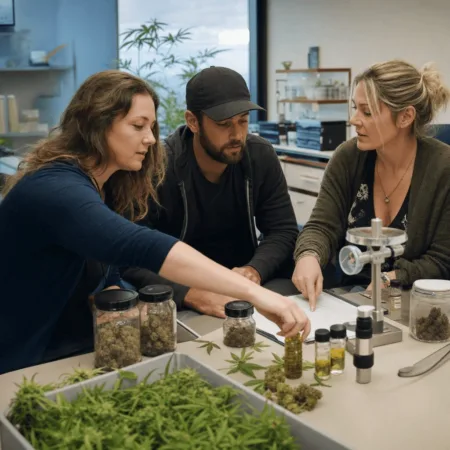
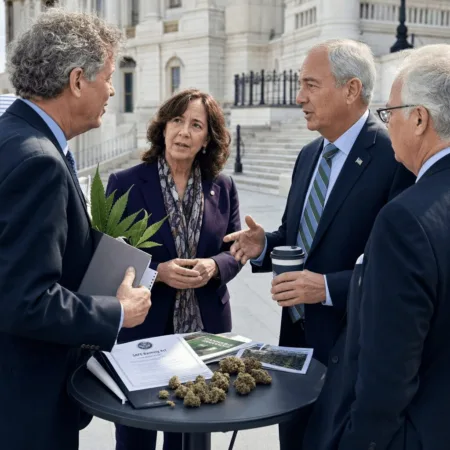
Recent policy debates center on tracking product origin, stamping out black market activity, and improving public safety. Lawmakers wrestle with balance: robust oversight or relaxed rules that keep the entrepreneurial spirit alive? Local residents, meanwhile, frequently raise concerns about neighborhood impacts. According to the Norman Transcript, new testing and licensing bills are now reshaping the compliance landscape for both cultivators and processors.
Key Developments: The Incident at 300 N. Highland and Statewide Ramifications
Late last month, an unexpected late-night call drew attention to a modest residence at 300 N. Highland, capturing the eye of local police and neighbors. According to the McAlester Police Department, two individuals were observed in casual clothing, engaged in conversation near an open car door. Neighbors noted the presence of small quantities of cannabis and evidence bags left near the scene, hinting at an ongoing Oklahoma cannabis investigation, an issue also reflected in broader national trends as enforcement drives industry change and shapes compliance strategies.
While no immediate arrests were made and law enforcement did not directly intervene during the moment, further inquiries were quickly launched. Official statements from the department emphasized that the investigation is part of “standard operating procedures” designed to ensure compliance with state medical marijuana laws. Sources close to the investigation referenced increased vigilance following recent reports of unlicensed grows and cross-state trafficking, as outlined by state regulatory updates and MJBizDaily. The case at 300 N. Highland, while small in scale, underscores much larger questions about local enforcement and industry transparency. Community discussions of similar situations often mirror what has transpired in other regions, as seen in public zoning board debates about cannabis operations.
Expert Analysis: What This Means for Oklahoma’s Cannabis Sector
If you’ve been following Oklahoma’s cannabis experiment, you know the stakes are high, to say the least. State regulators, industry insiders, and grassroots advocates agree that any Oklahoma cannabis investigation is more than just a headline, it’s a stress test for the industry’s legitimacy.
According to Leafly senior editor David Downs, “Oklahoma is a fascinating case of rapid expansion, real innovation, but also regulatory trial by fire. Every enforcement action adds another layer to the story.” The recent incident is a reminder that while the market offers opportunities for patients and entrepreneurs alike, it’s still growing through adolescence.
On the ground, many advocates point out that prompt, yet fair, investigations ensure patient safety and ward off illicit activity. This balanced approach, coupled with collaboration between local authorities and cannabis professionals, could ultimately lay the groundwork for a more robust, trustworthy market. Situations like those where medical marijuana impacts workplace coverage, such as the growing interest in workers’ compensation for cannabis-related treatments, further demonstrate how Oklahoma’s cannabis landscape is influencing broader policy and health care debates. Industry experts, including those consulted by Cannabis Business Times, suggest these investigations also “send a message to bad actors while encouraging compliant operators to keep doing things right.”
Looking Ahead: Oklahoma’s Cannabis Market Faces Challenges—But Opportunity Awaits
Even as the Oklahoma cannabis investigation at 300 N. Highland raises tough questions, the overarching mood remains hopeful. The state’s cannabis community has weathered regulatory storms before, emerging stronger each time. Stakeholders and advocates continue working toward clear, fair regulations and transparent enforcement—a formula for both safety and growth.
According to a recent Marijuana Moment analysis, Oklahoma’s market remains one of the country’s most entrepreneur-friendly and adaptive. Forward-looking leadership and responsive policies are helping shift the narrative from compliance crackdowns to responsible industry stewardship.
As new rules are proposed, early hiccups like the 300 N. Highland incident are reminders of how innovative, collaborative, and resilient Oklahoma’s cannabis industry can be. The focus now is on smart growth, patient care, and forging a model for others to watch.
Originally reported by: facebook.com