



Missouri AG sues smoke shop in bold THC candy bar case
The cannabis scene in Missouri is heating up once again as the Missouri AG sues smoke shop owners over the sale of THC-infused candy bars. This headline grabber comes at a time when the cannabis market is evolving at warp speed, with regulators sprinting to keep up. Increasing demand for edibles and shifting attitudes have put both innovation and compliance under the microscope. If you care about local cannabis legalization, consumer safety, or how businesses navigate tight regulations, this Missouri AG sues smoke shop case is one to watch. In this breakdown, we’ll untangle what happened, how it fits with Missouri and national cannabis trends, and why this clash matters for both enthusiasts and skeptical lawmakers alike.
Understanding the Legal and Social Backdrop
Missouri’s budding legal cannabis market launched with high hopes, with plenty of regulatory hurdles and public scrutiny. Since voters ushered in medical marijuana in 2018, rules have multiplied, and adult-use legalization is frequently debated across several states. The Missouri adult-use market in particular faces heavy scrutiny. Regulations on THC content, packaging, and distribution channels are strict, requiring retailers to be vigilant about compliance or risk the attention of the Attorney General and other regulators. The social climate is equally intense—while neighboring states like Kentucky are also debating marijuana reform (Kentucky’s marijuana personal use debate offers a parallel example)—Missouri cannabis sales continue to thrive. Advocacy groups such as NORML have helped lessen stigma, but lingering safety and youth access concerns persist, fueling regulatory crackdowns. As the Missouri AG sues smoke shop controversy makes headlines, it’s clear this goes beyond one legal case and represents a flashpoint in statewide debates about cannabis, edibles, regulation, and emerging social norms.
Key Developments: Smoke Shop Faces AG Lawsuit Over THC Candy Bars
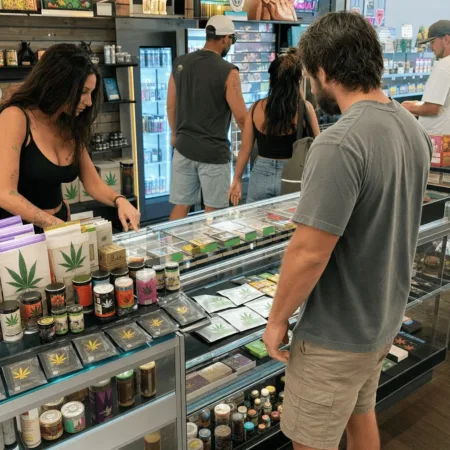
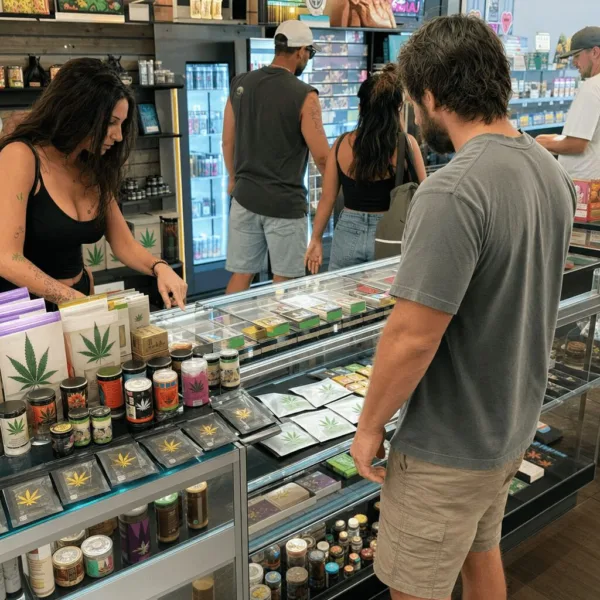
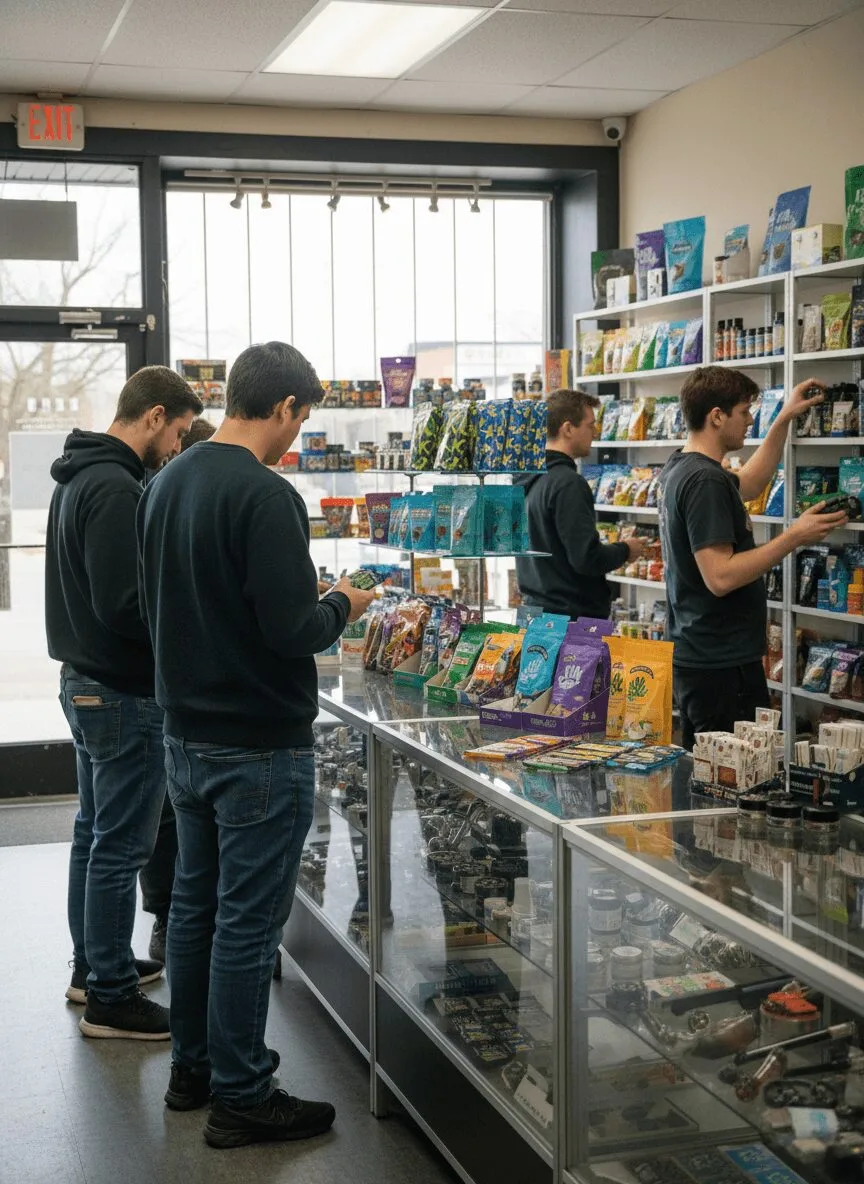
On February 11, 2026, Missouri Attorney General Andrew Bailey’s office took legal action against The Sweet Leaf, a notable St. Louis smoke shop, centering its lawsuit on allegations that employees sold intoxicating THC-infused candy bars—packaged similarly to popular non-cannabis snacks—to the public, potentially including minors. Based on recent legal filings reported by Missouri Independent, the packaging’s colorful, cannabis-themed designs have raised concerns about youth accessibility and misleading product presentation. The suit claims violations of Missouri’s consumer protection statutes, which prohibit products that might appeal to children or obscure THC content. State investigators reportedly made undercover purchases at The Sweet Leaf to support the AG’s case as the Missouri AG sues smoke shop headlines developed. The AG seeks not only financial penalties, but also a sweeping injunction to prevent similar future sales. This legal maneuver has unsettled local retailers, sparking a wave of compliance audits and discussion about how far state enforcement may reach. For instance, other states have faced comparable enforcement issues, such as Colorado conducting raids over illicit THC pens (industry debate over THC pen seizures in Colorado). If Missouri’s enforcement push is upheld, it could set a meaningful precedent for how Midwest states approach regulation of cannabis-infused products.
Expert Analysis and Industry Insights
This Missouri AG sues smoke shop litigation underscores the delicate balance cannabis businesses must maintain. Edibles alone are a massive market, valued in the billions nationwide according to Leafly’s edibles report, yet state-by-state differences in rules for packaging, dosing, and marketing create confusion and risk. Industry advocates urge rational enforcement focused on safety without stifling legal access or innovation. As Dr. Amanda Reiman, recognized cannabis policy researcher, states: “The industry should always prioritize consumer safety, but we also need clear, sensible guidelines that recognize legitimate demand for infused edibles.” (Leafly Expert Interview). This case has broader implications—much like recent local controversies over consumption venues and licensing (regulatory challenges facing Missouri’s cannabis lounges)—and signals that businesses need sound regulatory guidance to support legitimate adult access, not just stricter crackdowns.
Looking Ahead: What’s Next for Missouri’s Cannabis Scene?
Ultimately, Missouri AG sues smoke shop headlines like this one prove that the cannabis industry is maturing—growing pains and all. Yes, mistakes happen, and regulators have a job to do, but with adult-use legalization spreading and retail innovation booming, most issues are solvable. Collaboration between businesses, lawmakers, and advocacy groups can lead to smarter safety standards and consumer education that makes everyone’s life easier. Importantly, poll after poll shows that more Missourians support cannabis reform every year (Pew Research Center). As the Missouri AG sues smoke shop case winds through the courts, it should be a catalyst for better laws and smarter business—not a return to old-school panic. If the industry stays transparent and proactive, Missouri’s cannabis future looks bright, equitable, and a lot more chill for everyone involved.
Originally reported by: missouriindependent.com