

Elayn Hunt contraband arrests: Breaking News & Shocking Details
The Elayn Hunt contraband arrests are grabbing attention across Louisiana and beyond, as the conversation around cannabis, law enforcement, and prison reform intensifies. Recent headlines highlight how cannabis—despite growing legal acceptance—is still at the center of high-stakes dilemmas when it turns up behind bars. In this story, we’ll dive into what happened at Elayn Hunt Correctional Center, why it matters to the cannabis community, and what this means for advocates, consumers, and policymakers. We’ll break down the events, give you the backstory, share expert insights, and look ahead to a more progressive approach.
Understanding the Legal Backdrop and Social Context
The Elayn Hunt contraband arrests didn’t happen in a vacuum. Louisiana’s cannabis laws remain some of the country’s most restrictive despite expanding medicinal access (Louisiana Office of Alcohol and Tobacco Control). Adult-use cannabis is still illegal statewide, and even small possession outside limited medical protocols can mean serious charges. Correctional centers, like Elayn Hunt, have zero tolerance for any form of cannabis—even medical. Incarceration rates are among the nation’s highest. This crackdown reflects broader issues of social justice, racial equity, and the ongoing debate about reforming outdated drug policies. National advocacy groups like the National Organization for the Reform of Marijuana Laws (NORML) and lawmakers alike have been urging an overhaul of harsh penalties that continue to ensnare people for nonviolent cannabis-related offenses. These statewide enforcement challenges have been mirrored in recent community crackdowns as well, as seen in Baton Rouge drug arrests that forced a conversation on what’s next for cannabis in Louisiana.
Breaking Down the Elayn Hunt Contraband Arrests: What We Know
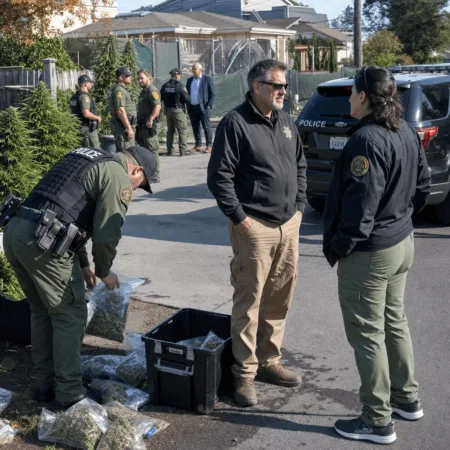
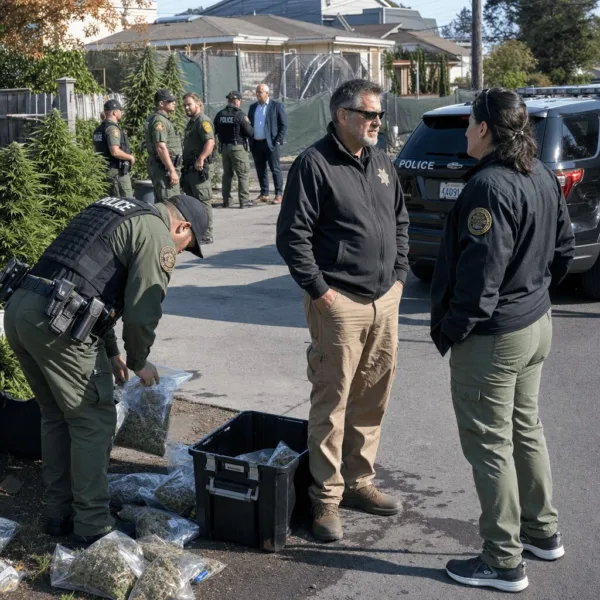
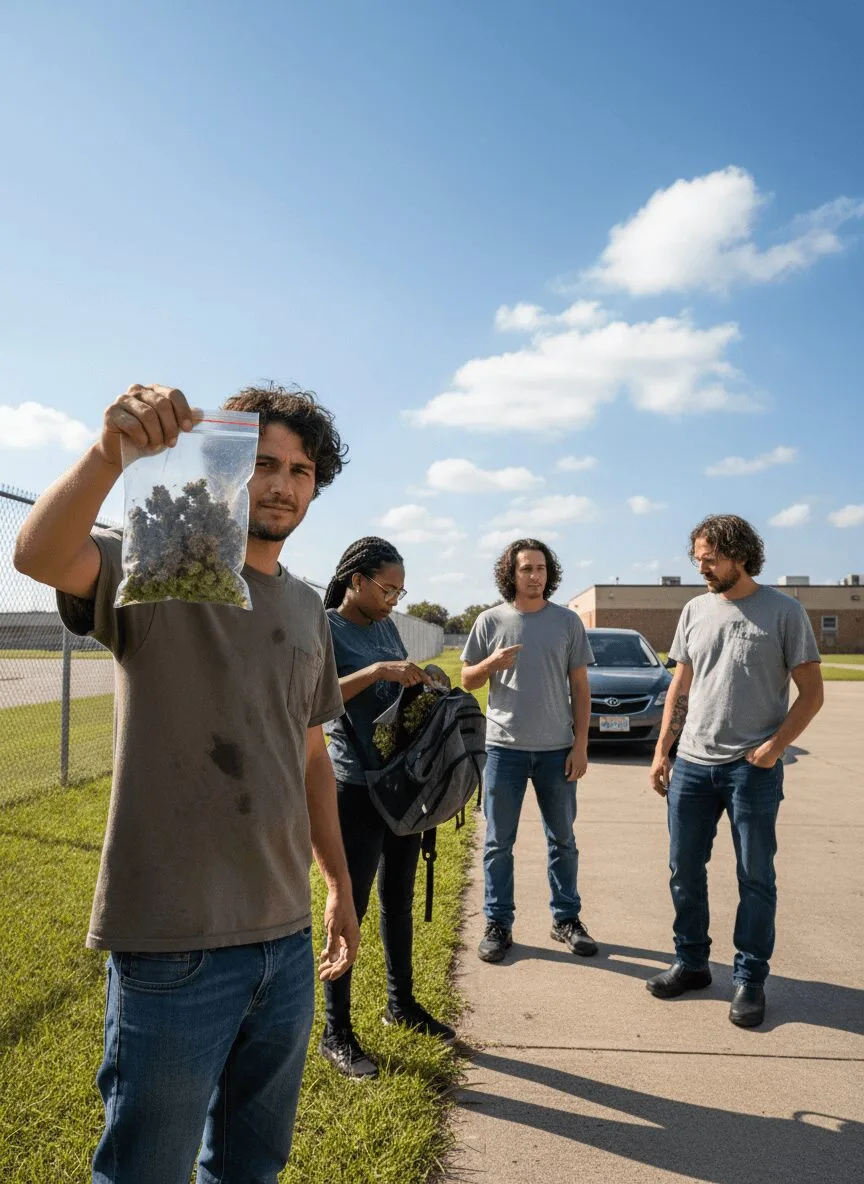
On February 9, 2026, authorities at Elayn Hunt Correctional Center reported that four adults were arrested for allegedly attempting to bring contraband—including significant amounts of cannabis—onto prison grounds. According to WAFB News, correctional officers observed suspicious activity near the perimeter, leading to a coordinated security response. Individuals were detained after officers discovered clear plastic bags reportedly containing cannabis, as well as a backpack with additional green, leafy substances. All suspects now face serious felony charges related to possession and introduction of unauthorized materials into a correctional setting. Authorities emphasized that the arrests are part of an ongoing effort to crack down on drug smuggling at the facility. The incident comes as state lawmakers continue to debate expanding medical access and reconsidering criminal penalties for cannabis offenses (The Advocate). Financial concerns and policy debates echo those found in other states—such as when Michigan’s marijuana tax lawsuit shook local budgets and road funding—illustrating how legal battles and arrests shape both local communities and broader cannabis law conversations.
Expert Analysis, Cannabis Industry Perspective, and Candid Counterpoints
The Elayn Hunt contraband arrests shine a harsh spotlight on the often contradictory cannabis landscape in 2026. With more Americans than ever supporting legalization—over 68% according to Pew Research—criminalizing cannabis, even behind bars, increasingly looks outdated. “We see countless cases where harsh policies do nothing but extend cycles of incarceration for nonviolent offenses, especially cannabis,” says cannabis policy analyst and author Paul Armentano of NORML (NORML Blog). The ongoing criminalization fuels illicit markets and puts both incarcerated individuals and staff at risk. At the same time, prisons must balance safety with recognizing evolving social norms. Many advocates argue genuine reform means both reducing contraband and updating the policies that create black markets for cannabis inside and outside correctional institutions. The arrests at Elayn Hunt Correctional Center serve as a real-world flashpoint for policymakers wrestling with these complexities, and these debates are echoed internationally in the push for broad reform, such as the growing movement toward cannabis legalization in Australia.
Looking Ahead: Reform, Cannabis Acceptance, and Building Constructive Solutions
If there’s one takeaway from the Elayn Hunt contraband arrests, it’s that cannabis issues can’t be solved by enforcement alone. Louisiana—and the U.S.—stands at a crossroads, with a patchwork of sometimes contradictory state and federal laws fueling confusion and perpetuating cycles of criminalization. Leading analysts at Marijuana Moment and Leafly report that successful cannabis policy hinges on three things: harm reduction, smart regulation, and deep social education. As more states move toward legalization and expungement of low-level offenses, the pressure grows for Louisiana to follow suit. While the arrests at Elayn Hunt Correctional Center are a reminder of the tough road ahead, the long-term trend favors intelligent reform over outdated prohibition. Together, we can push for a future where cannabis is regulated sensibly, safe access is prioritized, and nonviolent offenders are given fresh starts instead of lifelong records.
Originally reported by: wafb.com